
























Lake Powell hits lowest level of 2026 as drought and demand strain Colorado River supply
By
Alex Hager
Summary
Lake Powell, the nation's second-largest reservoir, has dropped to its lowest level of 2026, sitting less than a quarter full. The decline is driven by drought, climate change reducing water inflow, and unchecked demand from cities and farms. The reservoir, held back by Glen Canyon Dam in Northern Arizona, has been in a long-term decline since the early 2000s, and its shrinking water levels remain a central point of contentious negotiations over Colorado River water rights.
Source
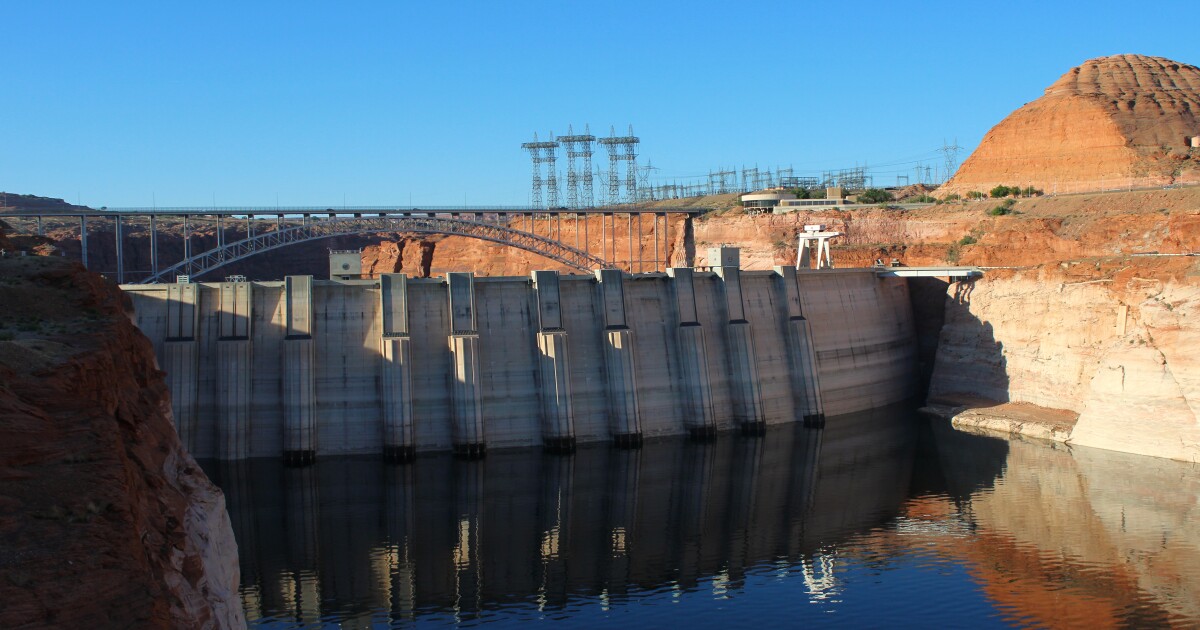
 Twitter / XLake Powell hits lowest level of 2026 as drought and demand strain Colorado River supplykjzz.org
Key quotes
· 4 pulledThe nation's second-largest reservoir is stretched thin.
Drought and climate change are adding less water, and demand from cities and farms has not been reined in accordingly.
The result is a reservoir that sits less than a quarter full with more shrinking to come.
In recent years, its water levels have been at the heart of contentious negotiations
You might also wanna read

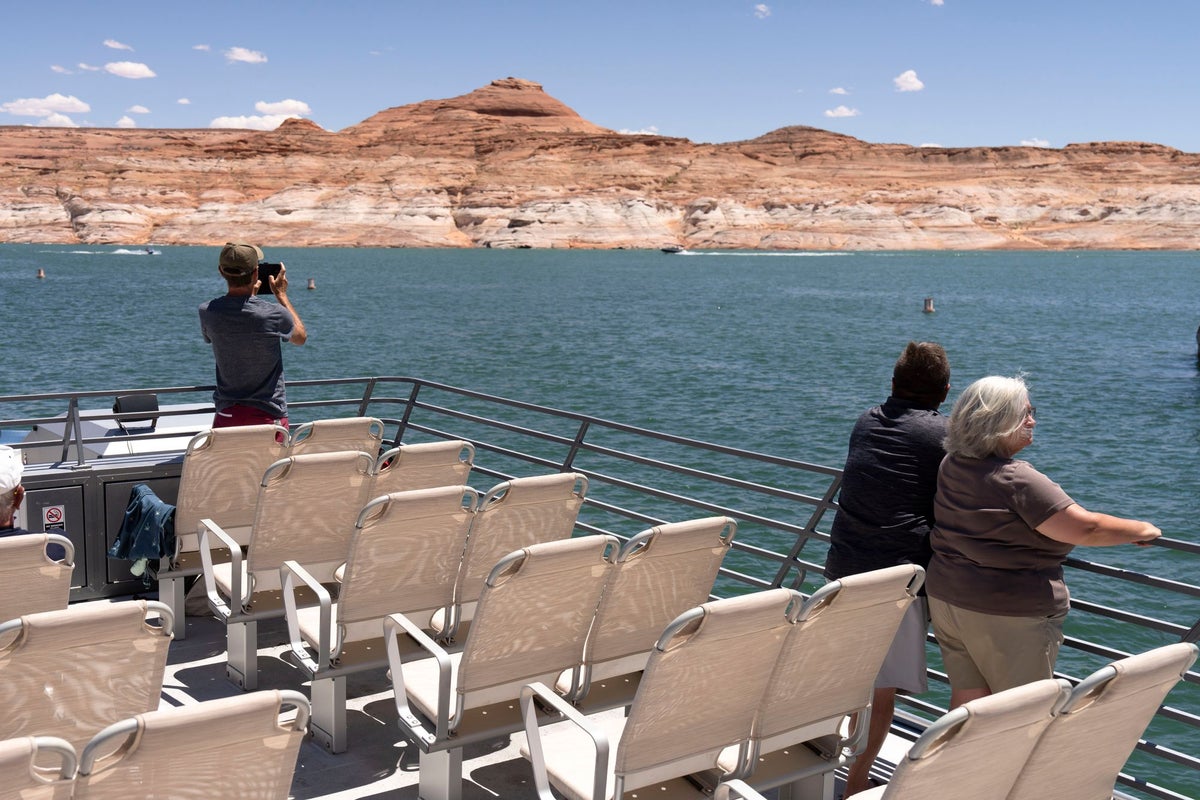
Lake Powell hits record-low summer water levels as climate-driven drought depletes Colorado River snowpack
Lake Powell, a major reservoir serving over 40 million Americans across seven states, has hit its lowest summer water levels in recorded his
 the-independent.com·10d ago
Lake Powell, a vital reservoir, plunges toward unprecidented low levels as water crisis deepens in US west
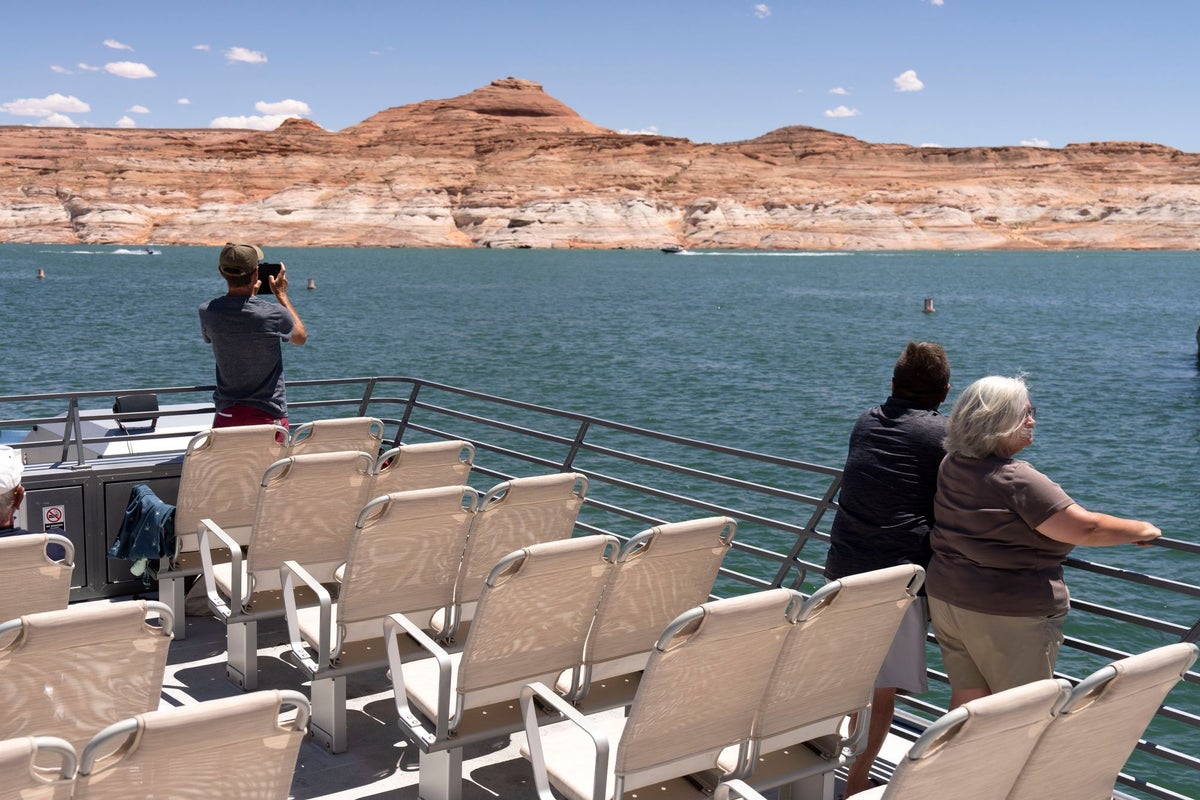
Lake Powell hits record-low summer water levels amid climate change-fueled drought
Lake Powell, a major reservoir serving over 40 million Americans across seven states, has hit its lowest summer water level in recorded hist
 independent.co.uk·10d ago
Lake Powell hits record-low summer water levels amid climate change-fueled drought
Lake Powell, a major reservoir serving over 40 million Americans across seven states, has hit its lowest summer water level in recorded hist
independent.co.uk·10d ago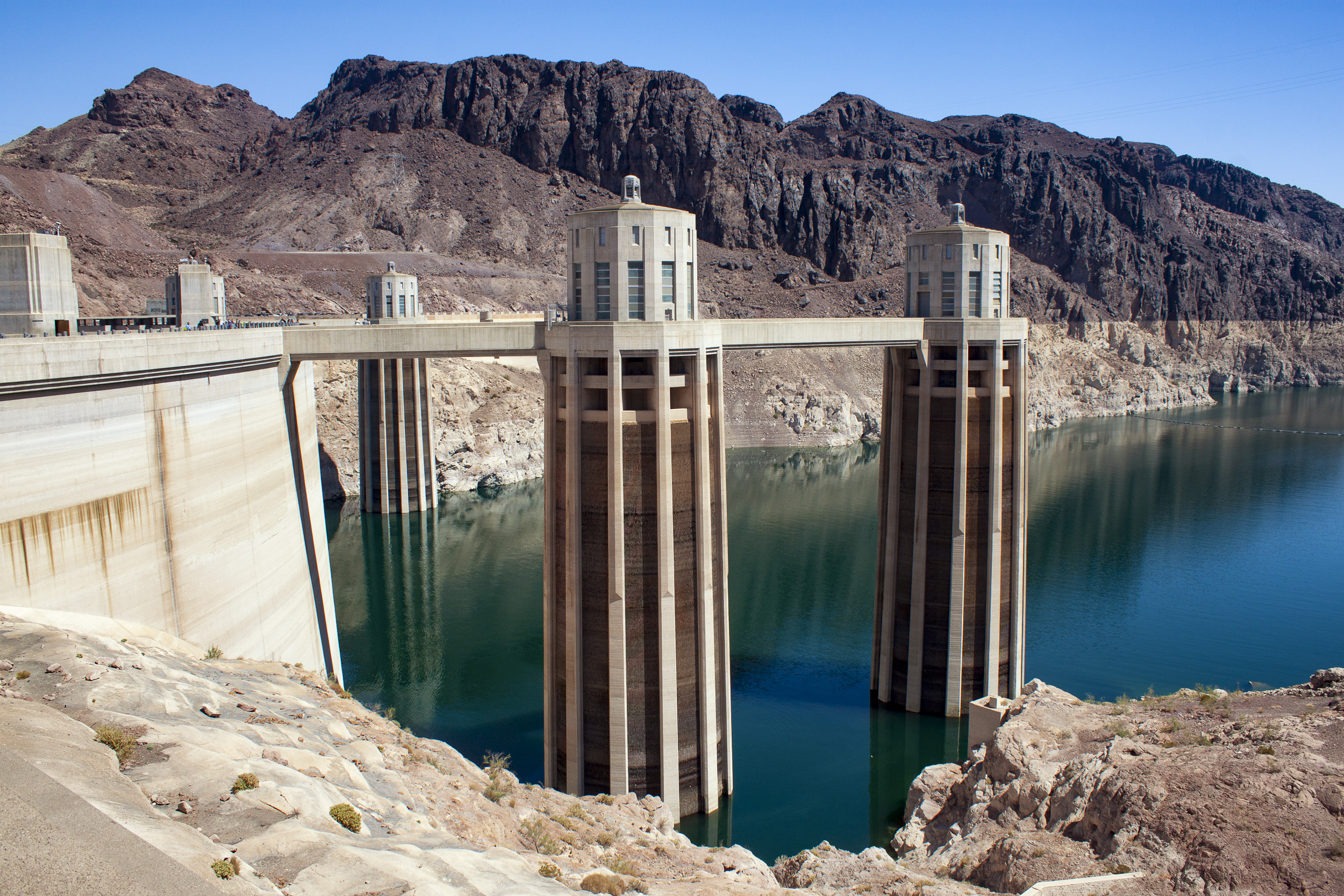
Lake Mead's Decline Threatens 70% Cut to Hoover Dam Hydropower Capacity
Lake Mead is projected to drop below 1,035 feet above sea level within the next 12 months, a critical threshold that will trigger a 70% redu
 insideclimatenews.org·23d ago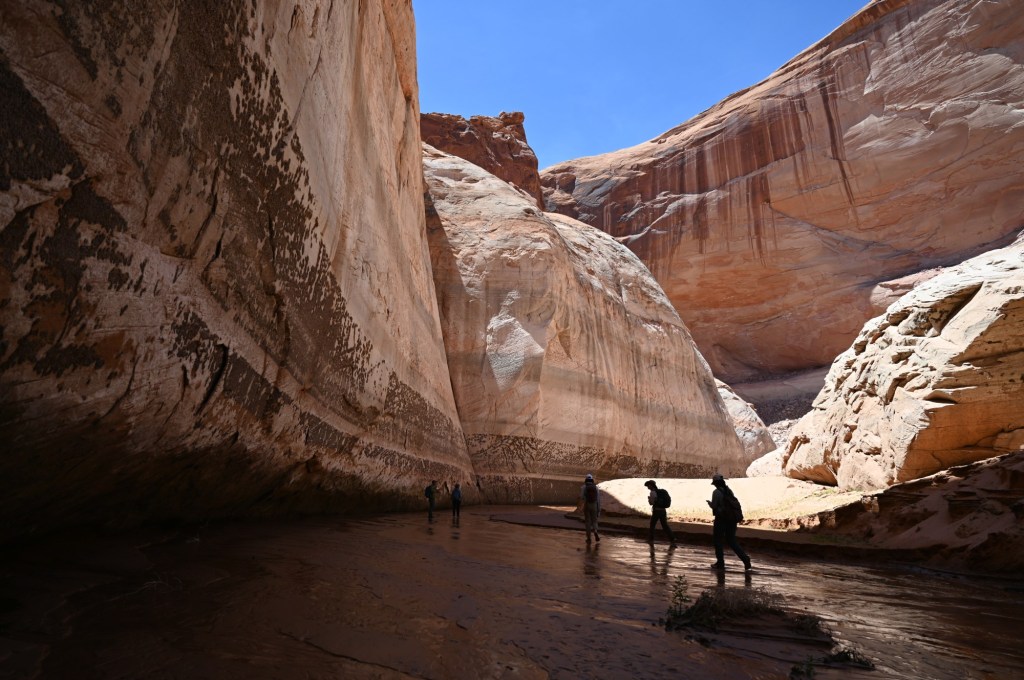
Drought-driven drop in Lake Powell levels reveals ecological rebirth in Glen Canyon side canyons
As Lake Powell's water levels drop due to drought, previously submerged side canyons like Davis Gulch in Glen Canyon are re-emerging, reveal
 chicagotribune.com·28d ago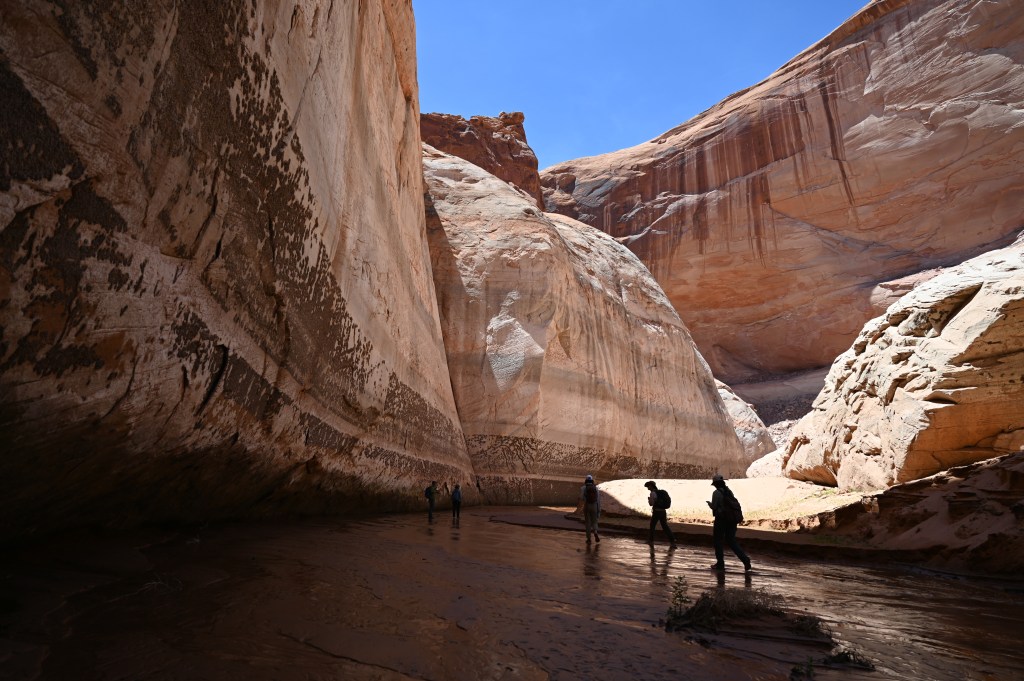
Receding Lake Powell waters reveal re-emerging ecosystems in Glen Canyon side canyons
As drought conditions cause Lake Powell's water levels to drop dramatically, submerged side canyons like Davis Gulch in Glen Canyon are re-e
 denverpost.com·1mo ago
Comments
Sign in to join the conversation.
No comments yet. Be the first.