
























The CIA Connection: Peter Matthiessen, The Paris Review, and Cold War Cultural Influence
November 11, 2025 – “In a funny way, it was really the fact that writing is far too solitudinous an activity that gave us The Paris Review. Along with the CIA, of course.”
Read the full articleYou might also wanna read
Sept livres de Marc Bloch réapparaissent après des décennies d’errance
À Berlin, sept volumes ayant appartenu à l’historien Marc Bloch et à sa belle-sœur Simonne Vidal ont retrouvé leurs héritiers lors d’une cér

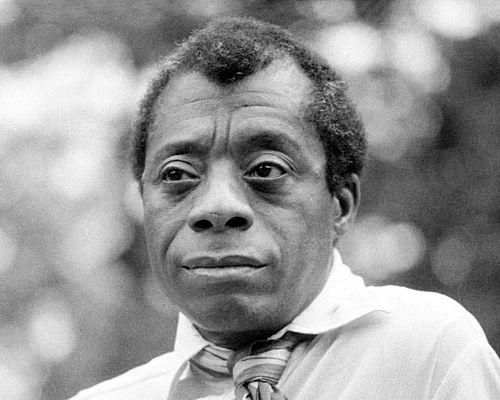
James Baldwin on Writing, Exile, and Confronting Identity: The Paris Review Interview
“After my best friend jumped off the bridge, I knew that I was next. So—Paris. With forty dollars and a one-way ticket.”
 buff.ly·26d ago
Hachette au Sénat : Jean-Yves Mollier dénonce une ombre vieille de 80 ans
Entre les combats parlementaires autour de la loi Bichet, en 1947, et le récent rejet au Sénat, d’un amendement visant à renforcer le lien d
Les maisons parachutées : un polar historique signé Didier Daeninckx
Cette enquête de Didier Daeninckx dans la mémoire des résistants et déportés est une poignante immersion au cœur des années 50 de l’immédiat

Annie-Paule Derczansky revisite un siècle de diplomatie autour de la naissance de l’État d’Israël
L'historienne et journaliste Annie-Paule Derczansky publie Le Projet d'un État juif et les Grandes Puissances (1848-1948), un ouvrage consac

UK vetting agency flagged Mandelson's ties to China, Russia and Israel figures before ambassador appointment
Exclusive: Vetting officials also flagged £1m loan when recommending he should be denied security clearance
 theguardian.com·1mo ago
Comments
Sign in to join the conversation.
No comments yet. Be the first.