
























The chemistry of swimming pools: How urine, sweat, and lotions react with chlorine
This article explores the chemical reactions that occur when human bodily fluids (urine, sweat) and personal care products (lotions, sunscreen) interact with chlorine-treated pool water. It examines the formation of disinfection by-products (DBPs) such as chloramines and trihalomethanes, and investigates the ongoing scientific debate about whether these chemical compounds pose health risks to swimmers. The piece covers the chemistry behind pool water treatment, the "pool smell" myth, and the current state of research on potential health effects.
Key quotes
The jury's still out on whether those by-products are harmful to your health
That distinctive 'pool smell' isn't actually chlorine — it's chloramines, formed when chlorine reacts with ammonia from sweat and urine
We're essentially swimming in a dilute chemical soup of our own making
From the article
You might also wanna read
Skincare Chemical Threatens Coral Reefs
Study Finds That Sunscreen Chemical Threatens Coral Reefs

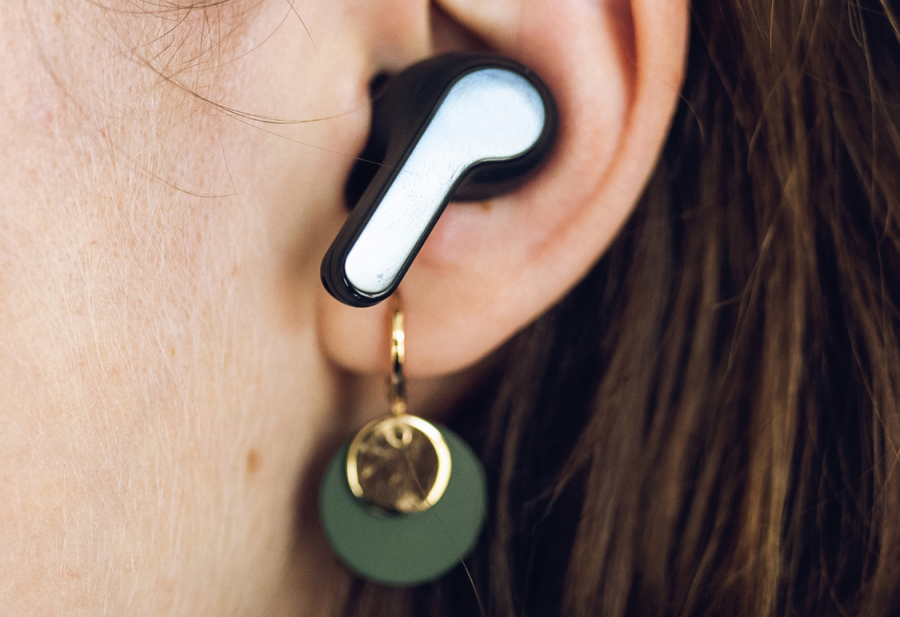
Study Finds Hazardous Chemicals in All Headphones Tested Across Central European Market
A comprehensive study across five Central European countries found hazardous hormone-disrupting chemicals in every single pair of headphones
 arnika.org·3mo ago
Personal care products disrupt the human oxidation field
Skincare Chemicals and Coral Reefs
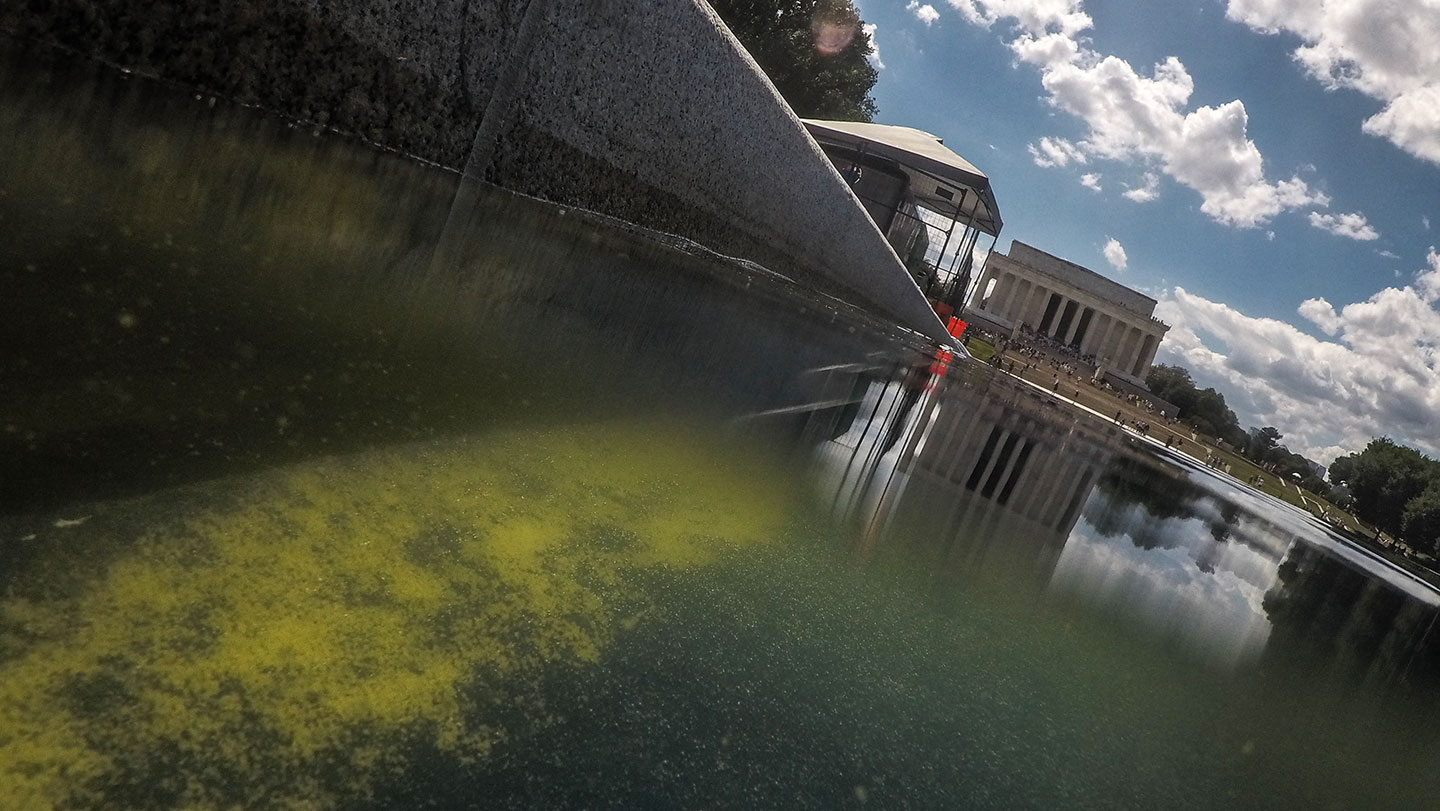
Algal bloom hits Lincoln Memorial Reflecting Pool as scientists uncover iron-peroxide die-off mechanism
The Lincoln Memorial Reflecting Pool in Washington, D.C. experienced an algal bloom shortly after being repainted, turning the water green.
 sciencenews.org·13d ago
Comments
Sign in to join the conversation.
No comments yet. Be the first.