
























The Challenge of Self-Love: Why Friendship Begins at Home
by Gary Borjesson To love someone else is easy, but to love what you are, the thing that is yourself, is just as if you were embracing a glowing red-hot iron: it burns into you and that is very…
Read the full articleYou might also wanna read


Thought of the day by Stoic Philosopher Marcus Aurelius “I have often wondered how it is that every man loves himself more than all the rest of men, but yet sets less value on his own opinion of himself than on the opinion of others.”
I am not a psychologist or a therapist, just a writer who reads a fair amount and pays attention. The one study I lean on below is a finding

The Ritual of Self-Love: How Embodiment Deepens Intimacy and Connection with Jessica Winterstern
In this intimate conversation, Jessica Winterstern invites us into the lived devotion behind her work, a journey shaped by sensitivity, prof

Frase do dia da Psicologia: 'O ego prefere inventar culpados a admitir as próprias falhas' - a reflexão inspirada na obra de Carl Jung sobre mecanismos de defesa
O pensamento inspirado na psicologia analítica convida a refletir sobre como o ego pode criar justificativas para proteger a própria imagem,
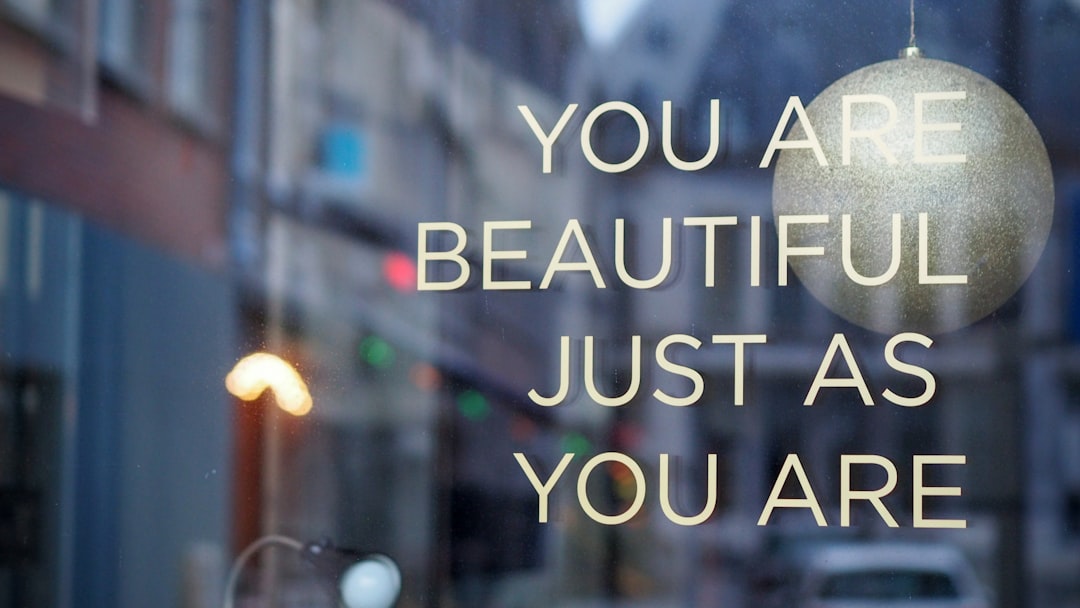
Self-Kindness as a Tool, Not a Reward: Finding Gentleness in Difficult Times
Being kind to yourself is encouraged and essential
 podcastsbybeth.substack.com·1mo ago
The Limits of Radical Nonduality: When No-Self Dismisses Human Experience
Radical nonduality can bypass lived experience when insight into no-self dismisses the human realities of emotion and conditioning.
 dualisticunity.com·1mo ago
GB News Daily Reflection — Tuesday 14th July 2026
In today's GB News Daily Reflection, we look at how we've slightly given up on the idea that we should have any values when it comes to our
Comments
Sign in to join the conversation.
No comments yet. Be the first.