
























The Case for Single-Threaded, Aggressively Sharded Databases
Last night, I caused something on X by saying that (most) transactional databases should be single-threaded and aggressively sharded: hot take: databases should be single-threaded someone a long time…
Read the full articleYou might also wanna read
Sharding Strategies: 4 Real-World Examples
Explore the intricacies of database sharding with real-world strategy examples, their benefits, drawbacks, and impact on performance and sca
The transactional outbox pattern: keeping a database and Kafka consistent
Wrote this up after one too many "the row updated but the event never fired" incidents. It walks through why the dual-write problem is unavo

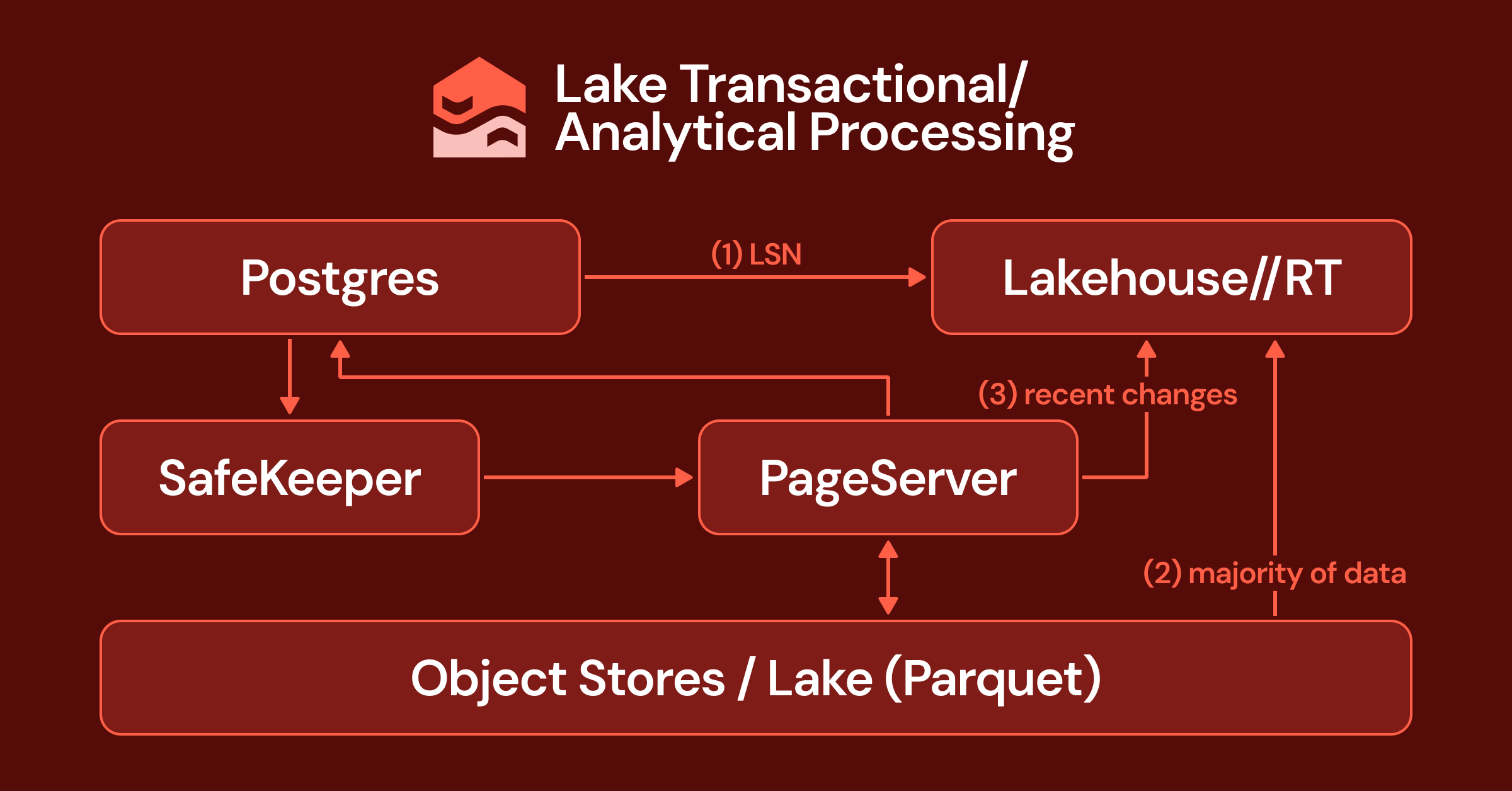
Rethinking database architecture: From monolithic storage to Lakebase and LTAP
* Almost every traditional database keeps its write-ahead log and data files on one machine's disk, which is the root cause of data loss ris
 databricks.com·16d ago
Rethinking database architecture: From monolithic storage to Lakebase and LTAP
* Almost every traditional database keeps its write-ahead log and data files on one machine's disk, which is the root cause of data loss ris
databricks.com·16d agoHandling Concurrency in Amazon DynamoDB with Optimistic Locking - Detailed Guide
Multi-thread programming is essential to building high-performance applications, especially those expected to scale. This article will teach

Postgres evolves from storage system to data movement hub as AI and interoperability reshape its future
Postgres is evolving from a system of record into a hub for data movement. Here's how interoperability and AI are reshaping its future.
 thenewstack.io·20d ago
Why Cloud Databases Aren't Magic: A Guide to True Scalability
Many organizations adopting cloud-native architectures mistakenly treat managed cloud databases as all-powerful black boxes, assuming auto-s
Comments
Sign in to join the conversation.
No comments yet. Be the first.