

























How AI Is Reshaping Organizational Structures in Software Companies
By
Ajey Gore
Summary
This article analyzes how AI is fundamentally reshaping organizational structures in software companies. It argues that the traditional three-tier org chart (strategic "why" at the top, product "what" in the middle, engineering "how" at the bottom) is being disrupted because AI now automates the translation layer between product decisions and implementation. The author contends that AI-native organizations will look radically different, eliminating the need for large teams of "translators" (engineers, PMs, scrum masters) who convert product requirements into code. Instead, AI-native orgs will be smaller, flatter, and structured around human judgment and AI execution, with new roles emerging around AI oversight, prompt engineering, and strategic decision-making.
Source
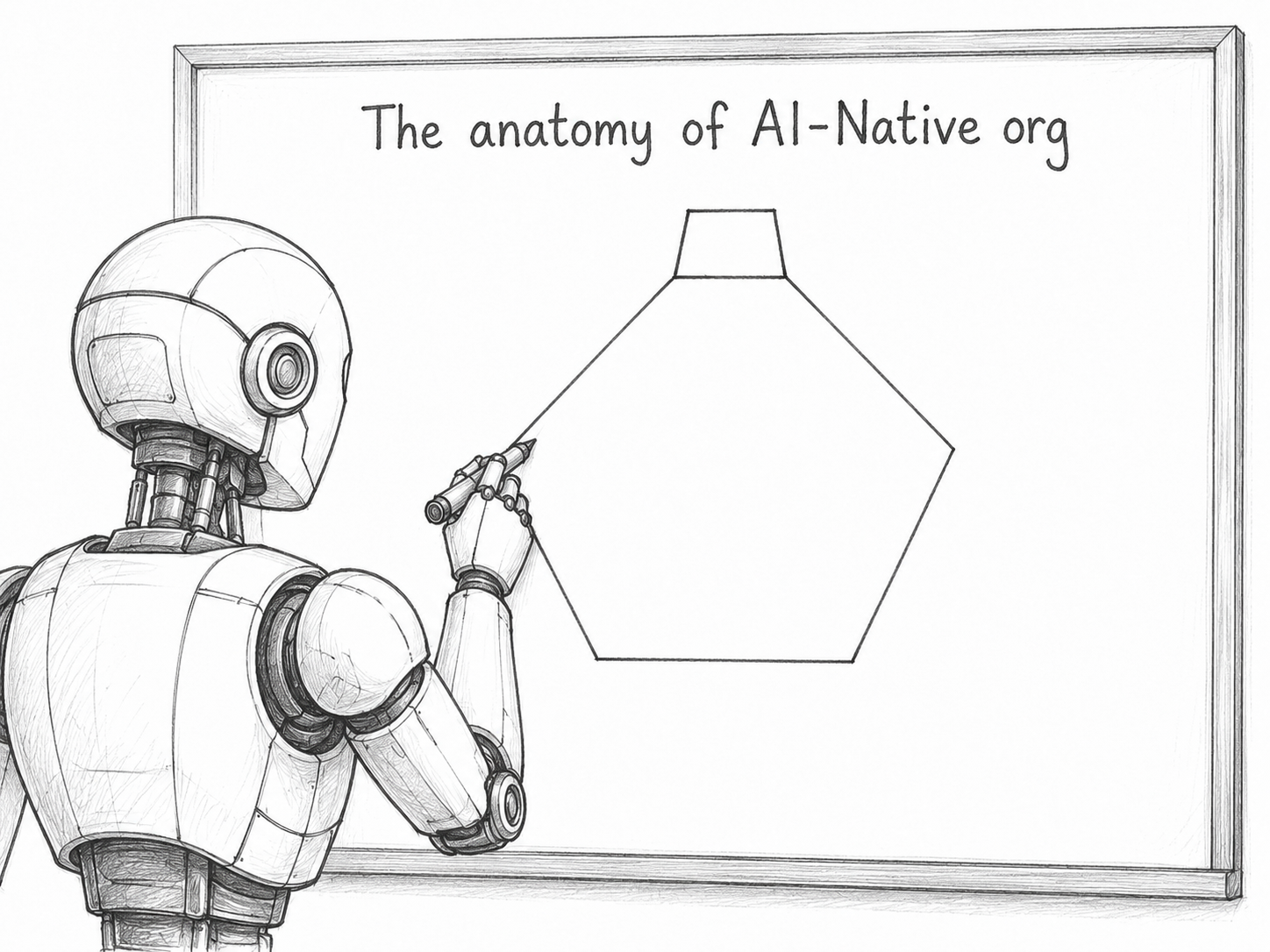 Hacker NewsHow AI Is Reshaping Organizational Structures in Software Companiesajeygore.in
Key quotes
· 3 pulledFor thirty years we were glorified translators — business asked why, product defined what, engineering translated to how. AI just ate the translation step.
The anatomy of the team that's left looks nothing like the one you have today.
If you draw the org chart of any software company built in the last thirty years and squint, the same shape shows up.
You might also wanna read


How AI Is Reshaping C-Suite and Board Leadership Roles
The article discusses how AI is transforming leadership roles at the top of organizations, not just entry-level positions. It argues that C-
 hbr.org·9d ago
Meta's engineering reorganization: How AI priorities are reshaping the company's technical culture
Meta's engineering organization, once renowned for its high-performance "move-fast" culture over two decades, has undergone a dramatic restr
 buff.ly·4d ago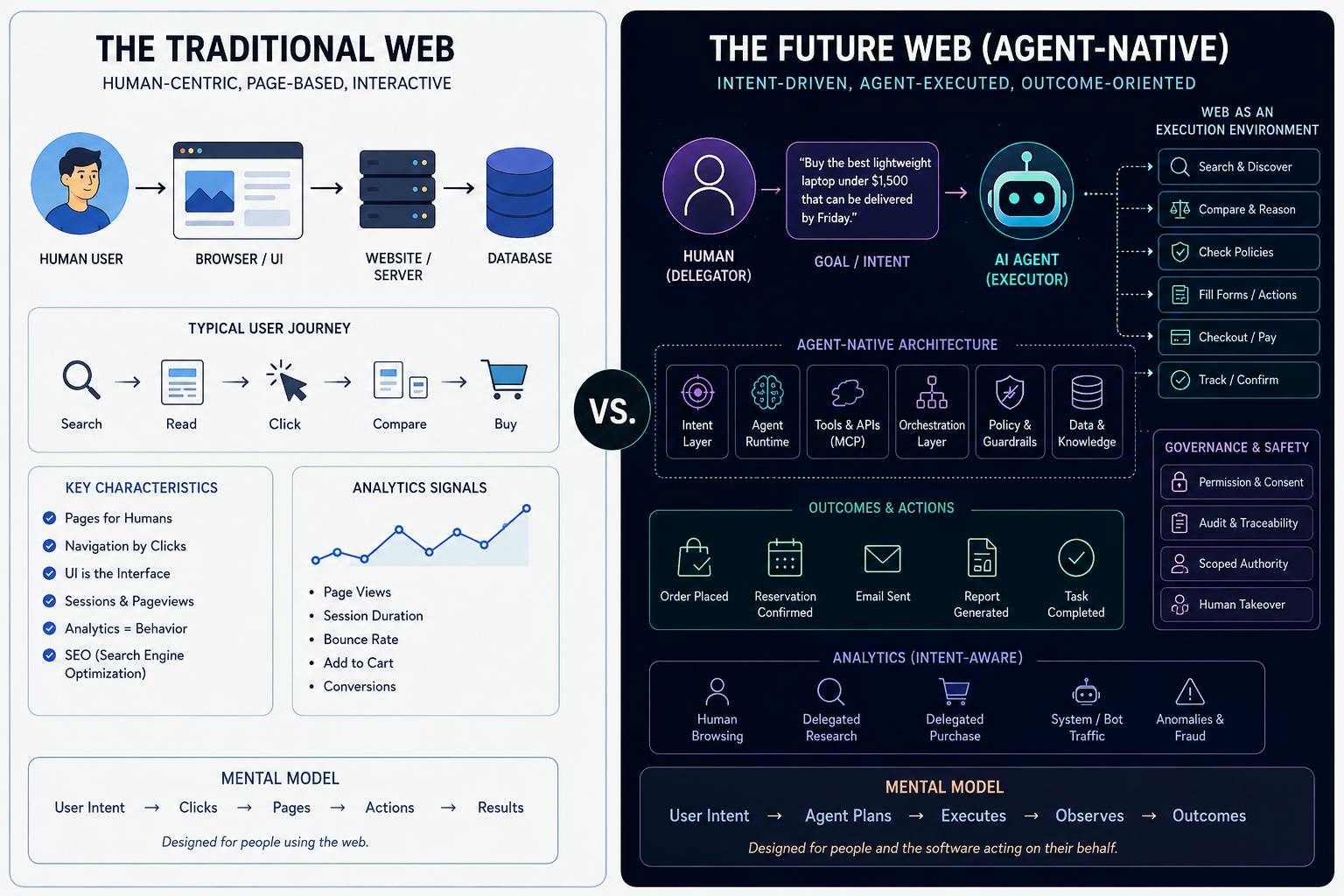
The Web's Shift to Agent-Native Architecture: Why Most Teams Are Unprepared
The article discusses the paradigm shift from traditional human-driven web browsing to an "agent-native" web ecosystem where AI systems auto
Leading Organizations Integrate AI Through Operational Redesign, Not Isolated Tools
The article discusses how leading organizations are moving beyond isolated AI use (individual prompts, chatbots) toward integrating AI as pa
 setsergroup.substack.com·23d ago
How AI agents are reshaping workplace roles, skills, and culture in hybrid human-AI teams
The article examines how AI agents are transforming workplace dynamics by acting as collaborators rather than tools, working alongside human
 technologyreview.com·12d ago
Why agentic AI requires a complete redesign of organizational operating models, not just layering on new tools
Organizations are failing to unlock the full value of agentic AI by simply layering AI agents onto existing human-centric operating models,
 ow.ly·21d ago