
























Five strategies for enterprises to become AI-first and achieve lasting competitive advantage
Summary
Despite over $250 billion in global AI investment, only 25% of enterprises report transformative effects. The article argues that true AI transformation requires moving beyond simply adding AI to existing workflows and instead systematically redesigning operations, roles, and decision-making around AI. It outlines five key strategies for becoming an AI-first enterprise: redesigning workflows, rethinking talent and roles, shifting decision rights, transforming business models, and embedding AI as a strategic lever rather than a tactical add-on.
Source

 bskyFive strategies for enterprises to become AI-first and achieve lasting competitive advantageweforum.org
Key quotes
· 4 pulledGlobal investment in artificial intelligence (AI) is estimated at more than $250 billion, yet only 25% say it is having a transformative effect.
Many enterprises are still adding AI to the top of existing workflows. That helps the margins but it does not fundamentally change how the business operates.
Change, in the AI era, must come from within the organization and move beyond tech stacks.
AI-first [is] the systematic redesign of workflows, roles and decision rights, so that AI becomes the strategic lever for creating and delivering value.
You might also wanna read

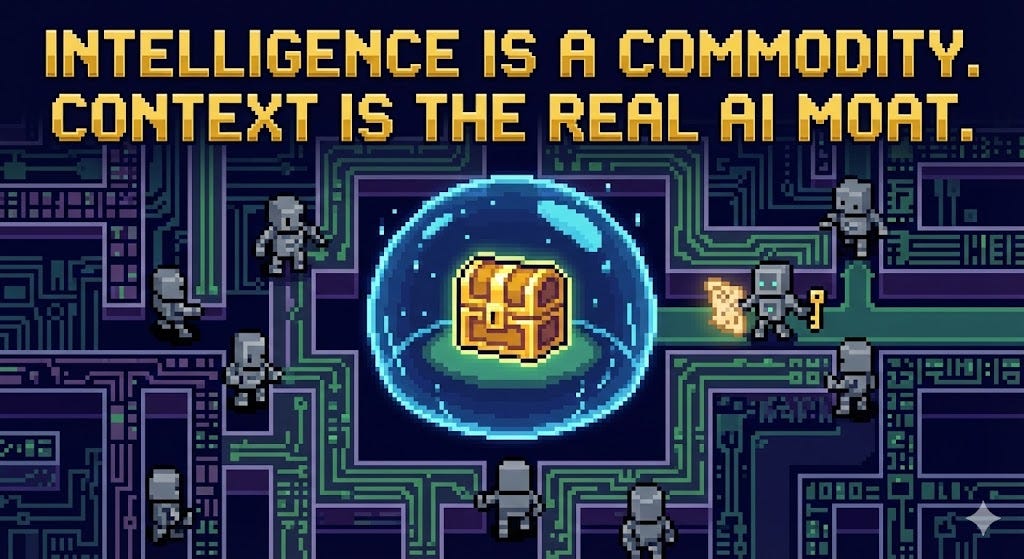
Context as the Competitive Advantage in an AI-First Society
The article discusses the author's experience at an AI Socratic Madrid meetup and presents a thesis that in the AI-first society, intelligen
 adlrocha.substack.com·3mo ago
A Personal Journey Through AI Tool Adoption: From Inefficiency to Workflow Transformation
The article describes the author's personal journey of adopting AI tools, outlining a three-phase process: initial inefficiency, followed by
mitchellh.com·11d agoA Personal Journey Through AI Tool Adoption: From Inefficiency to Workflow Transformation
The article describes the author's personal journey of adopting AI tools, outlining a three-phase process: initial inefficiency, followed by
mitchellh.com·11d ago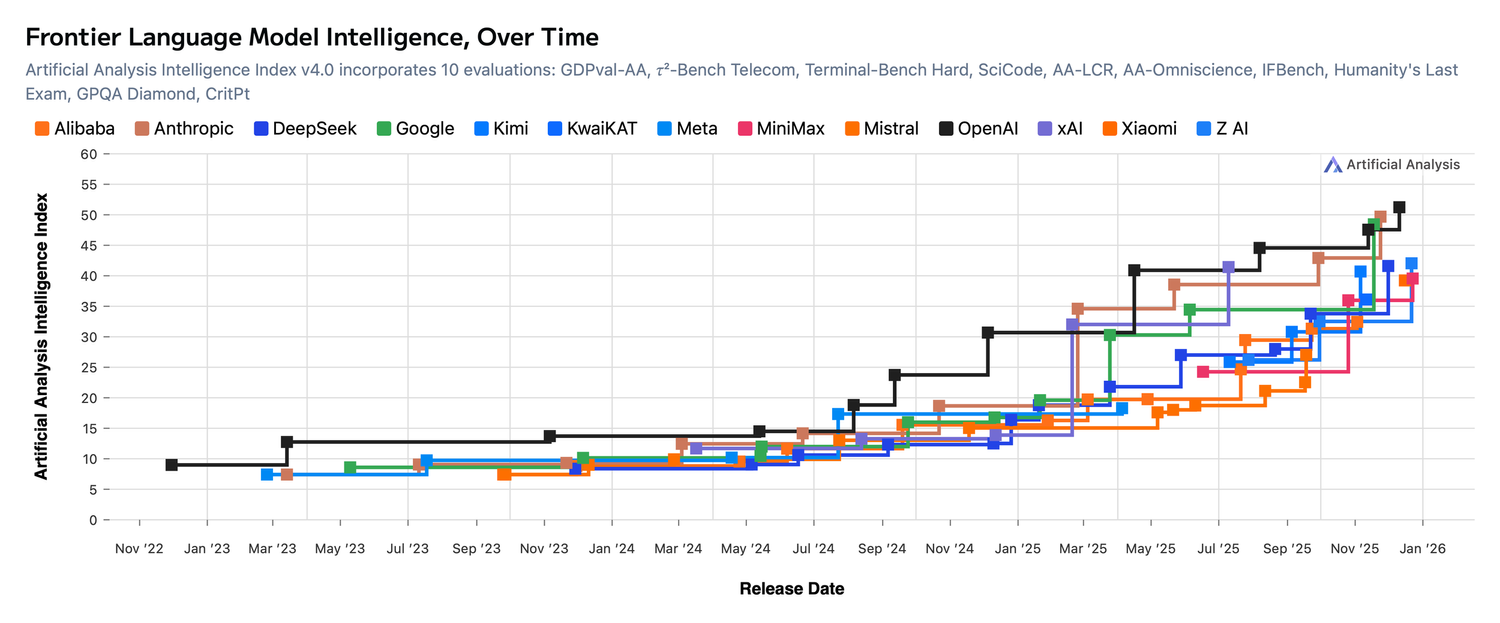
OpenAI's Strategic Challenges: Analyzing the Company's Competitive Position and Future Prospects
Benedict Evans analyzes OpenAI's strategic challenges, arguing that despite its large user base, the company lacks unique technology, strong
 ben-evans.com·3mo ago
A practical playbook for building AI-native startups across four lifecycle stages
This article presents a practical playbook for building AI-native startups, focusing on how founders can leverage AI tools (specifically Cla
 claude.com·7d ago
AI Adoption Rates Show Signs of Plateauing Across Business Sectors
Recent data from the Census Bureau and Ramp indicates that AI adoption rates are beginning to flatten out across all firm sizes, suggesting
 apolloacademy.com·6mo ago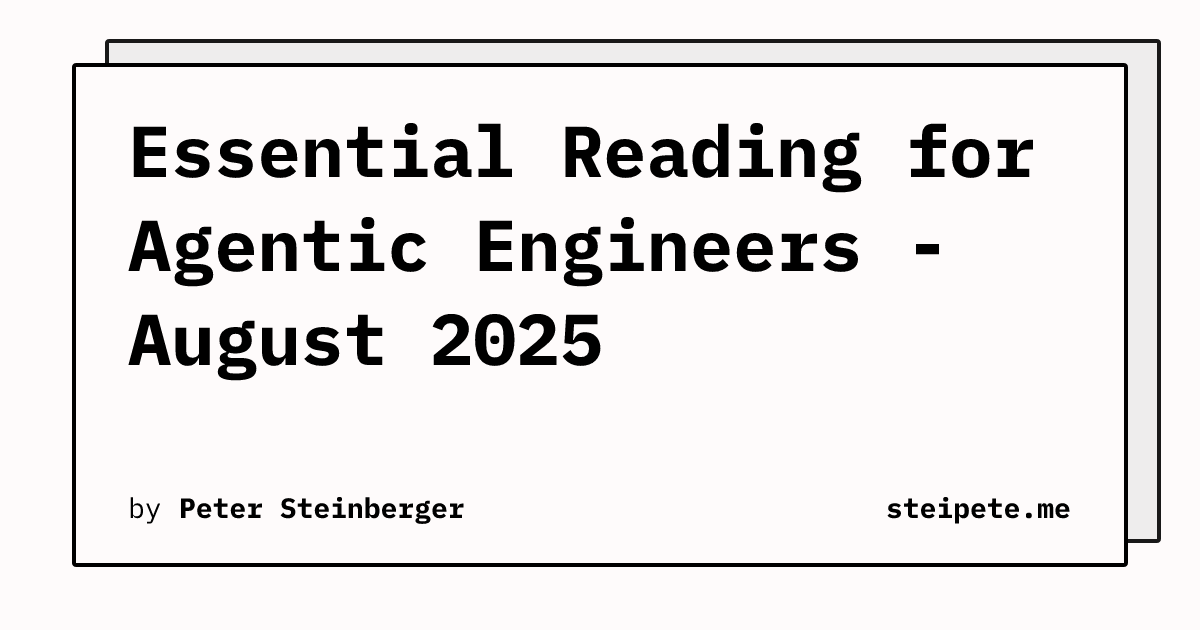
Five Critical Perspectives on AI's Impact on Software Development and Developer Evolution
This article presents five essential perspectives on the reinvention of software development in the AI era, cutting through the hype to exam
 steipete.me·10mo ago
Comments
Sign in to join the conversation.
No comments yet. Be the first.