
























Security Researcher Discloses Base64 Encoding Technique to Bypass 403 Forbidden Errors in Bug Bounty Hunting
By
HackMoN Ai
Summary
Security researcher Omar Aljabr (@GodfatherOrwa) has publicly disclosed a technique for bypassing 403 Forbidden errors in web applications by encoding file paths in Base64. This method allows penetration testers and bug bounty hunters to circumvent WAF (Web Application Firewall) rules and access sensitive files that would otherwise be blocked. The technique transforms common security roadblocks into exploitable vulnerabilities, potentially leading to server compromises and significant bug bounty payouts.
Source

 bskySecurity Researcher Discloses Base64 Encoding Technique to Bypass 403 Forbidden Errors in Bug Bounty Huntingundercodetesting.com
Key quotes
· 3 pulledIn the high-stakes world of bug bounty hunting, a simple 403 Forbidden error often represents a brick wall between researchers and critical vulnerabilities.
Security researcher Omar Aljabr (@GodfatherOrwa) has publicly disclosed a clever bypass technique that transforms these dead ends into gold mines.
By encoding file paths in Base64, penetration testers can circumvent WAF rules and access sensitive files, leading to potential server compromises and substantial bounty payouts.
You might also wanna read

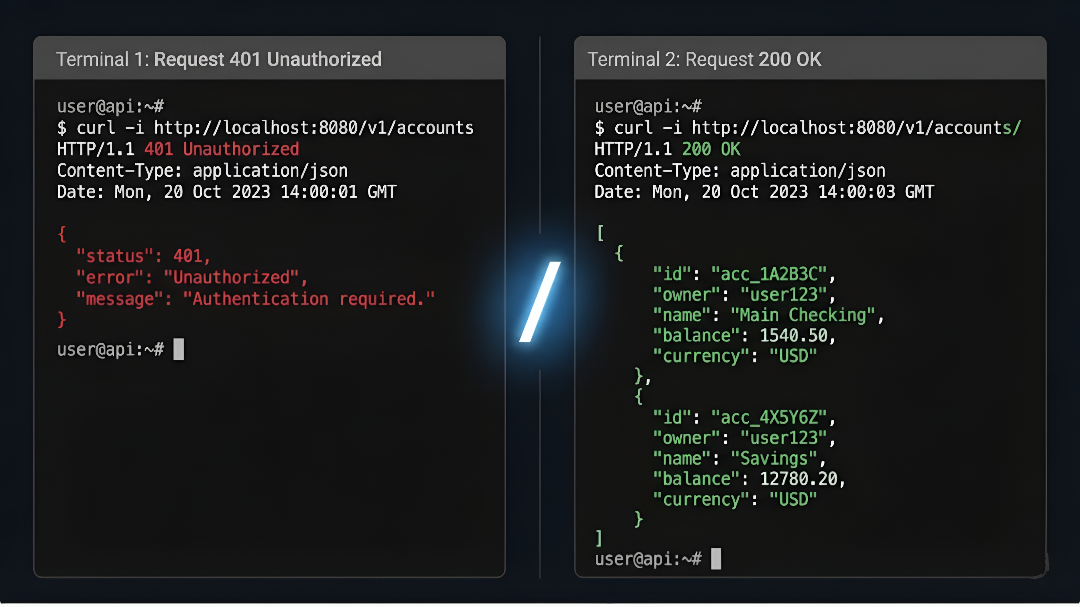
Trailing slash bypasses AWS API Gateway auth: $12K bug bounty from fintech
A security researcher discovered a critical authentication bypass vulnerability in a fintech company's AWS HTTP API. The issue: adding a tra
 theguptalog.blogspot.com·1mo ago
How to Find and Exploit Misconfigured IIS Servers in Bug Bounty Hunting
A technical walkthrough on identifying and exploiting misconfigured Microsoft IIS web servers during bug bounty hunting. The article covers
 mll.sh·21d ago
Demystifying HTTP request smuggling

WAF - WAF Release - 2026-04-21
WAF - WAF Release - 2025-12-01

AI-Generated Vulnerability Reports Overwhelm Bug Bounty Platforms and Security Teams
A cybersecurity expert with nearly a decade of experience in bug bounty programs analyzes the growing problem of AI-generated vulnerability
 devansh.bearblog.dev·8mo ago
Comments
Sign in to join the conversation.
No comments yet. Be the first.