
























250 years of U.S. energy consumption: From wood to renewables and hydrocarbons
Summary
The U.S. Energy Information Administration (EIA) provides a comprehensive analysis of 250 years of American energy consumption, tracing the evolution from wood and biomass in the 18th-19th centuries through coal's rise during industrialization, the petroleum and natural gas dominance of the 20th century, to the modern mix including nuclear and renewables. In 2025, total U.S. energy consumption reached 96 quadrillion BTUs (quads), up 2% from 2024 but below the 2007 record of 99 quads. Petroleum remained the most-used source, followed closely by natural gas, while renewables, coal, and nuclear each contributed roughly 9% of the total. The analysis highlights the ongoing energy transition and shifting fuel shares over centuries.
Source

 Twitter / X250 years of U.S. energy consumption: From wood to renewables and hydrocarbonseia.gov
Key quotes
· 4 pulledOver the 250-year history of our nation, energy consumption has evolved from wood use in the 18th and 19th centuries to today's use of modern renewable, hydrocarbon, and nuclear technology.
In 2025, total energy used in the United States was 96 quadrillion British thermal units (quads), up 2% from 2024, but below 2007's record 99 quads.
Petroleum was the most-used energy source last year, followed closely by natural gas.
Use of renewable, coal, and nuclear energy each made up about 9% of total consumption.
You might also wanna read

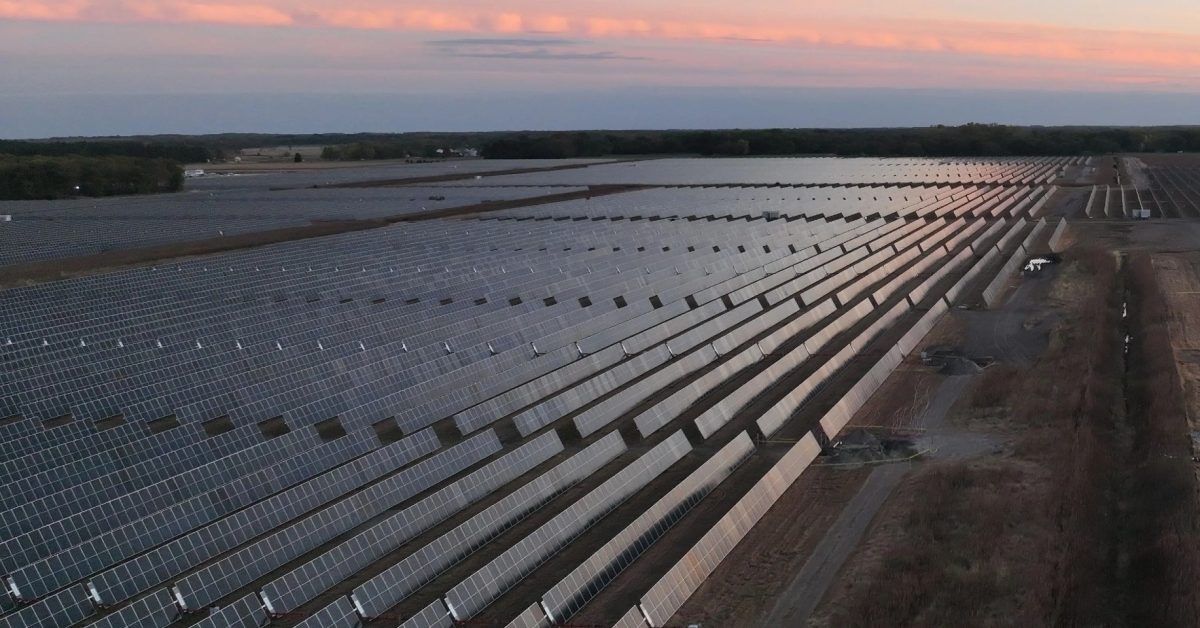
Renewables reach 30% of US electricity generation in early 2026, EIA data shows
Renewable energy sources accounted for 30.0% of total US electricity generation during the first four months of 2026, according to new EIA d
 electrek.co·2d ago
Solar Power Continues to Dominate U.S. Energy Additions Despite Trump Policy Rollbacks
Despite the Trump administration's rollback of Biden-era clean energy incentives, solar power continues to dominate new U.S. energy capacity
 oilprice.com·23d ago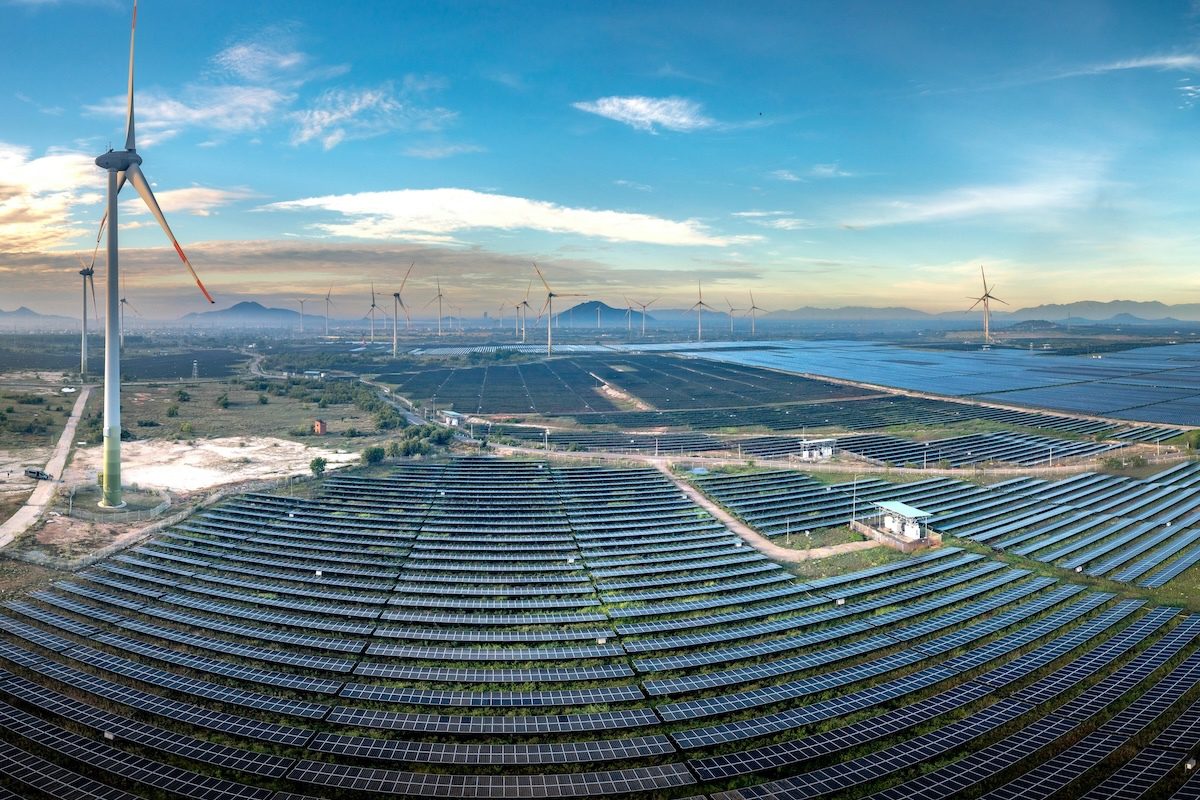
Global Clean Energy Achieved Major Milestones in 2025 Despite U.S. Policy Setbacks
The article highlights significant global clean energy milestones achieved in 2025, despite the Trump administration rolling back renewable
 e360.yale.edu·5mo ago
Hawaii's push for energy independence: From oil imports to 100% renewable electricity by 2045
Hawaii, lacking domestic fossil fuel reserves, has long relied on imported petroleum for its energy grid, transportation, and tourism indust
 dw.com·25d ago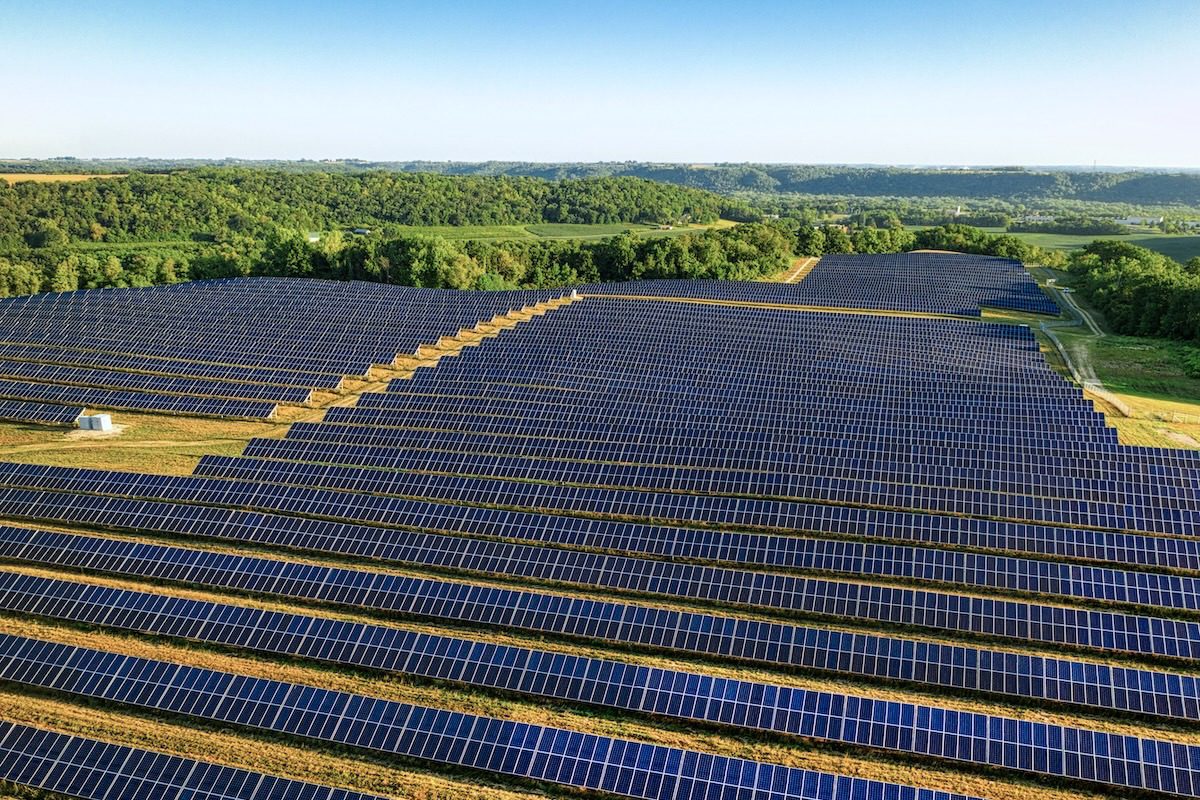
Renewables Surpass Natural Gas in U.S. Power Generation for First Time
For the first time in U.S. history, renewable energy sources generated more electricity than natural gas in a recent month, marking a signif
e360.yale.edu·2mo ago
Europe's Renewable Energy Milestone: Wind and Solar Now Outpace Fossil Fuels in Power Generation
Europe has reached a significant energy milestone, with wind and solar power generation now surpassing fossil fuels for the first time. In 2
e360.yale.edu·5mo ago
Comments
Sign in to join the conversation.
No comments yet. Be the first.