
























The 1875 Albert's Swarm: Massive Locust Invasion That Devastated Western U.S.
Albert's swarm was an immense concentration of the Rocky Mountain locust that swarmed the Western United States in 1875. It was named after Albert Child, a physician interested in meteorology, who…
Read the full articleYou might also wanna read

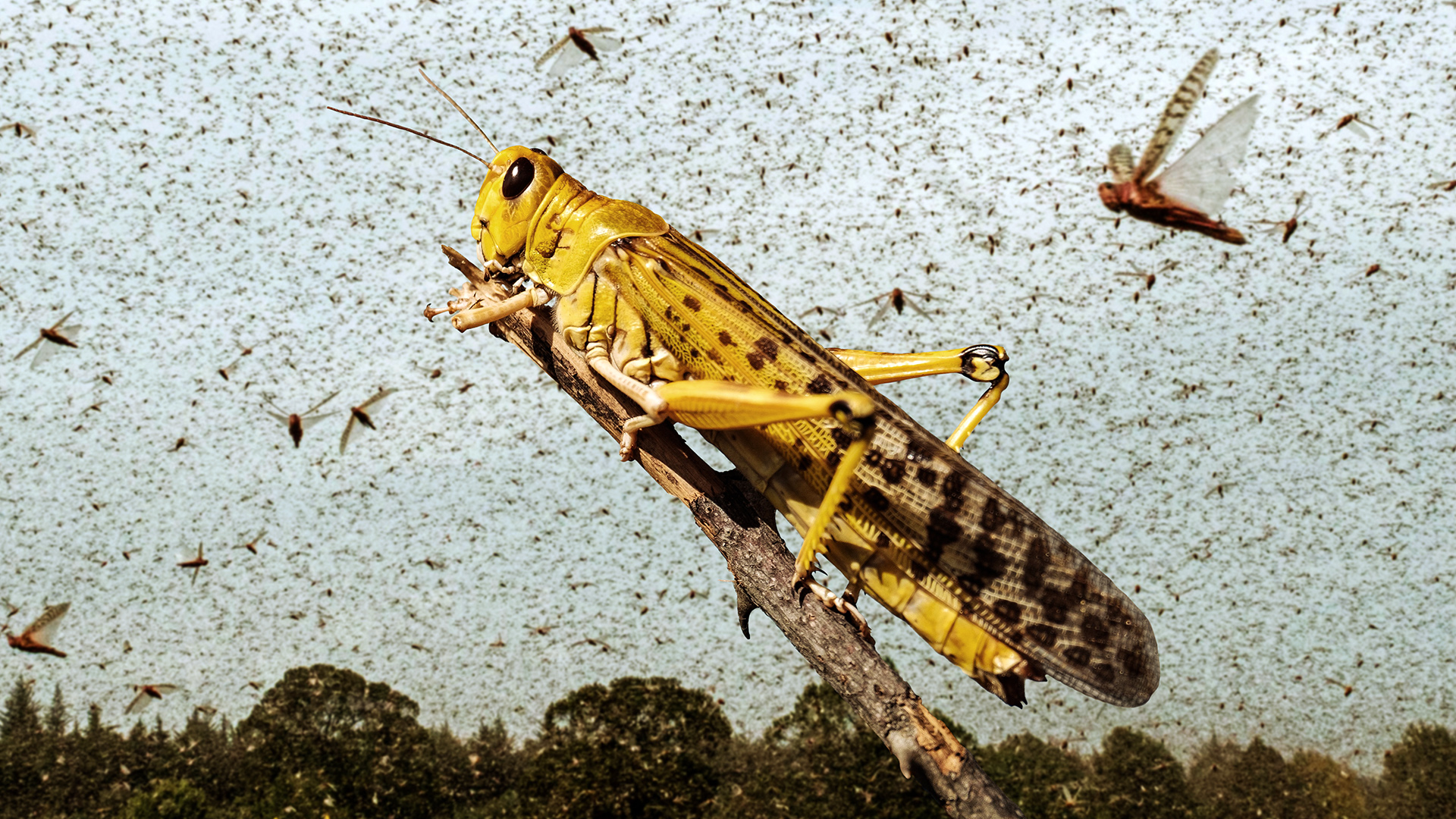
Locust Disappointed by Low Turnout at Organized Swarm Event
MEKELE, ETHIOPIA—Expressing utter embarrassment about the long-hyped event, a desert locust in the Ethiopian Highlands was reportedly humili
 The Onion·9mo ago
Plague-like swarms of flying, giant ants descend on the UK, triggering mistaken rain alerts on radar
These unusual insects triggering false weather radar readings are known as alates, giant, winged ants that swarm regions in large numbers.
Community Composition and Abundance of Wild Bees at Row Crop–Grassland Interfaces in West Central Nebraska
Perennial mixed forb and grassland habitats are crucial to conservation of pollinators and connectivity of habitats in intensely farmed land

America's bees are losing a vital refuge, threatening our food supply
The Midwest is America’s food basket, but few realize it’s also a prime refuge for bees. Each summer, beekeepers truck more than a million c

A swarm of stink bugs and a river of rats: why India’s flowering bamboo causes a crisis for humans
Every few decades mass blooming in Mizoram’s forests causes a rodent boom – and devastation to crops. The cycle is well-known, so why aren’t

“Impact of Holocaust on soil nematodes, mites, and springtails” by Niki Dupuis
Summary I estimate the Holocaust increased the living time of (wild) soil nematodes, mites, and springtails. My best guess is that those soi
Comments
Sign in to join the conversation.
No comments yet. Be the first.