





















Study: Indigenous Andeans evolved extra starch-digesting genes after domesticating potatoes 10,000 years ago
By
Sophie Berdugo

Crispy enough to crunch, soft enough to enjoy. A good bake.
Summary
A new study published in Nature Communications found that Indigenous Andeans in Peru have more copies of the amylase gene (which produces starch-digesting enzymes in saliva) than any other population worldwide. This genetic adaptation is attributed to natural selection following the domestication of potatoes in the Andes around 10,000 years ago, allowing them to digest potatoes and starches more efficiently than other populations.
Key quotes
· 3 pulledIndigenous Andeans in Peru may be able to digest potatoes and other starches more easily than anyone in the world, a new study finds.
Scientists discovered that Indigenous Andeans have more copies of the gene for saliva-based starch digestion enzymes — called amylase — than any other population worldwide.
Natural selection drove the surge in amylase genes following the local domestication of potatoes around 10,000 years ago, according to the study published May 5 in the journal Nature Communications.
You might also wanna read


How Cooling Starchy Foods Creates Healthier 'Resistant Starch' That Alters Blood Sugar Response
The article explains the scientific phenomenon of 'resistant starch' that forms when starchy foods like pizza, rice, and potatoes are cooled
 scientificamerican.com·6mo ago
Archaeological Study Reveals Complex Plant-Based Diets of Prehistoric Europeans Through Pottery Residue Analysis
Archaeological research analyzing pottery residues from prehistoric European sites reveals complex plant-based diets and cooking practices.
 arstechnica.com·3mo ago
The Rise and Health Impact of Ultraprocessed Foods in America
This article examines how ultraprocessed foods became dominant in the American diet despite their significant health risks. It traces the hi
 nytimes.com·7mo ago
David Reich's Genetics Lab Rewrites Human History Through Ancient DNA Analysis
The article profiles David Reich's ancient genetics lab at Harvard Medical School, which is revolutionizing our understanding of human histo
 laphamsquarterly.org·9mo ago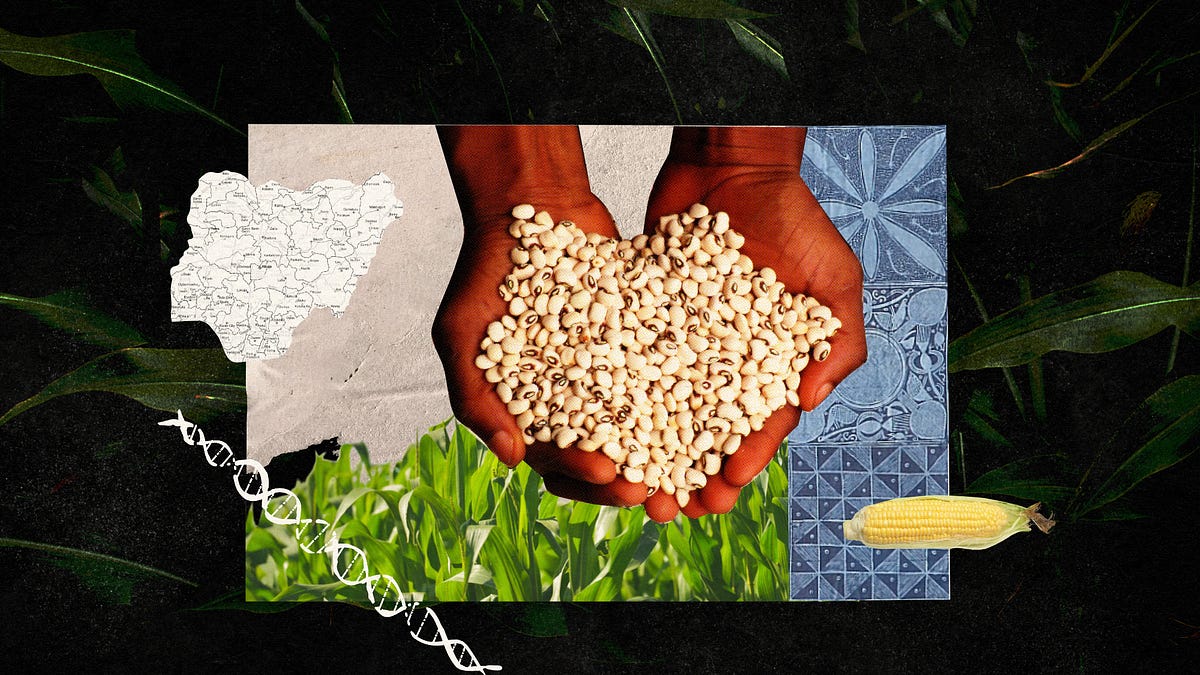
Nigeria's Adoption of Genetically Modified Crops in Historical and Global Context
The article explores Nigeria's acceptance of genetically modified organisms (GMOs) within the historical context of agricultural evolution.
 asimov.press·7mo ago
Humans' Adaptation to Extreme Environments in Africa 70,000 Years Ago
Humans learned to thrive in extreme environments in Africa about 70,000 years ago, setting the stage for global migration.
nytimes.com·11mo ago