
























Testimony of Environmental Working Group on proposals to Make America Healthier Again
By
Iris Myers
14d agoen
Source
Environmental Working GroupTestimony of Environmental Working Group on proposals to Make America Healthier Againewg.orgTestimony of Environmental Working Group on proposals to Make America Healthier Again Iris Myers June 23, 2026 Thank you for the opportunity to testify. My name is Scott Faber , and I am the senior vice president for government affairs for the Environmental Working Group, a national environmental health organization. I am also an adjunct professor of law at Georgetown University Law Center, where I teach food and farm law. I am testifying today on behalf of EWG. Thank you for holding today’s hearing. Food that is safe, healthy, and affordable – and produced in ways that reflect America’s shared values – is not a partisan issue. All Americans, regardless of party, want our food to be safe, healthy and affordable . Diet-related disease is now our leading cause of death . Many Americans simply lack access to healthier food. Every year, thousands of us are sickened by pathogens, and hundreds die. Too many of us eat food contaminated with toxic metals, pesticides or contaminants like PFAS . Too many of us eat food that contains food additives and substances that have been linked to serious health harms, including cancer, but that have never been reviewed by the FDA or were last reviewed many decades ago . Most farmers are turned away when they offer to share the cost of regenerative farming practices. The MAHA assessment , released in May 2025, and the MAHA strategy , released in September 2025, included many bold proposals that, if implemented, would help make our food safer and healthier. For example, the MAHA assessment documented the harms of toxic additives and pesticides in our food, and the MAHA strategy proposed limits or bans on some food chemicals , post-market reviews of other food chemicals, and closing the loophole that has allowed food companies to determine which new food chemicals can be added to our food. For example, the MAHA strategy proposed to support healthier diets by defining ultra-processed food, or UPF; requiring a front-of-pack label to help consumers avoid UPF; updating the Dietary Guidelines; and increasing access to healthier options, including fruits and vegetables. The MAHA strategy further proposed to update infant formula standards and increase tests for heavy metals and other contaminants, including plastics, in our food. These promises – to get toxins out of our food, to increase access to healthier foods – are, so far, unfulfilled. So far, the administration has not banned toxic food chemicals of concern, including food chemicals linked to cancer; has not yet conducted post-market reviews of other chemicals we are already eating; and has not yet narrowed the loophole that allows food chemical companies to decide which new food chemicals are safe to eat. So far, the administration has not yet updated infant formula standards or set enforceable limits for toxic metals in baby food. Instead, the administration has made our food less safe by firing food safety experts , reducing food safety inspections , reducing the number of pathogens that must be tracked , withdrawing salmonella standards , increasing line speeds in slaughterhouses, and delaying efforts to trace the source of foodborne illnesses . While the MAHA assessment sounded the alarm about the risks posed by pesticides, the administration has so far granted or sought legal immunity for some existing pesticides and approved new pesticides made with PFAS. In addition, the administration has so far refused to set limits on the amount of PFAS that can be in our food, as other nations have done. The administration has also made our tap water less safe by delaying and weakening drinking water standards for PFAS. It’s good news that the updated Dietary Guidelines urge consumers to “eat real food” and to avoid “highly processed” foods. But so far the administration has cut funding for programs that provide us fresh, local food, especially to our schools. The FDA and USDA have not yet defined UPF and have not yet proposed a front-of-pack label to help consumers avoid foods designed, with the tobacco industry’s know-how, to interfere with our brains’ reward centers. Instead, the administration signed legislation eliminating the nation’s biggest nutrition education program and has since proposed to eliminate funding for programs that expand access to healthier foods. So far, the administration has also made our food more costly, especially the “real foods” the Dietary Guidelines advise us to eat. Since January 2025, the cost of food has increased by more than 3% as the administration has placed tariffs on food imports and taken other steps that have raised the cost of making food, including the cost of energy, labor and farm inputs. The price of vegetables increased by 11.5% between April 2025 and April 2026. So far, the administration has provided the lion’s share of new farm subsidies to the largest producers of feed crops, not food crops, and cut anti-hunger programs to offset the cost of these new subsidies. We should all welcome bold ideas, like those proposed in the MAHA assessment and MAHA strategy, to make our food safer and healthier and support the people who feed us. But so far, the administration is trying to have it both ways: by sounding the alarm about food safety failures and diet-related disease, by making bold promises to help Americans avoid toxins in our food and build healthier diets, but so far failing to deliver on those promises and instead adopting policies that make our food less safe, less healthy and more costly. So far, our states, not the EPA, FDA or USDA, are delivering the safe and healthy food consumers want. In particular, our states, not the FDA, have banned toxic chemicals from our food, including toxic chemicals linked to cancer and neurobehavioral harms. Three states have banned 11 toxic chemicals from all food, 10 states have banned synthetic dyes from school food and 13 states have banned PFAS from food packaging. Everyone agrees : Our food should be free from toxic chemicals, and people we trust should review the safety of food chemicals and pesticides. Everyone agrees : When companies make us sick or worse, we should have access to justice. Everyone agrees: We should increase, not reduce, food safety inspections; adopt tougher, not weaker, food safety standards; track more, not fewer, pathogens; and that we should move faster, not slower, when outbreaks occur. Everyone agrees : We should have less, not more, PFAS, lead and other contaminants in our water and food. Everyone agrees: We should make it easier for consumers to identify and avoid UPF; stop food companies from marketing UPF to our children; and make healthier food choices more accessible and more affordable. So far, the administration has failed to deliver the food we want. It has not yet banned toxic chemicals from our food, has not yet narrowed the loophole that puts food chemical companies in charge, has not yet defined UPF and helped us avoid them, has not increased food safety inspections, has not yet helped the family farms that feed us “real” food, and has not increased access to healthier “real” food. Thank you for the opportunity to testify. I look forward to your questions. Areas of Focus Food & Water Food Ultra-Processed Foods Toxic Chemicals Food Chemicals Pesticides PFAS Chemicals Press Contact Iris Myers [email protected] (202) 939-9126 June 23, 2026
You might also wanna read

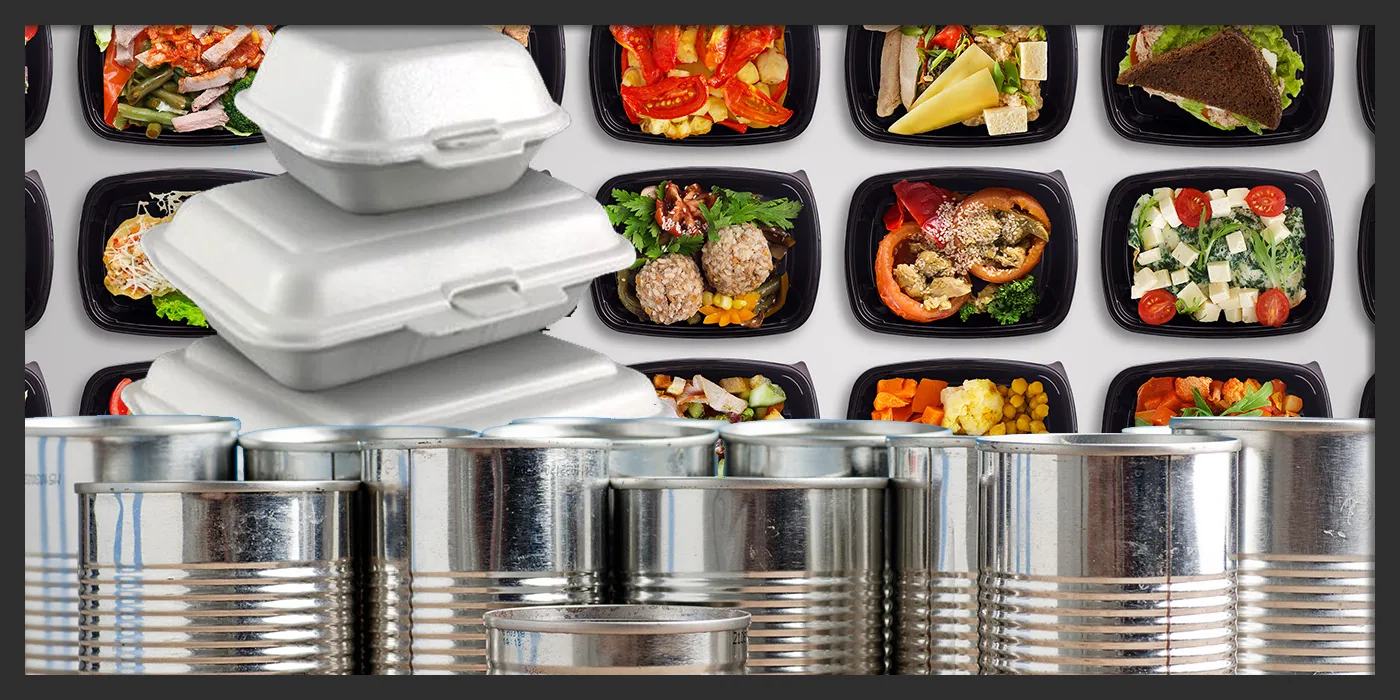
Make Our Food Safer. Ban Toxins in Food Packaging! | GMO/Toxin Free USA
mstr.app·14h ago

Roundup Wins!
Radio Free·9d ago
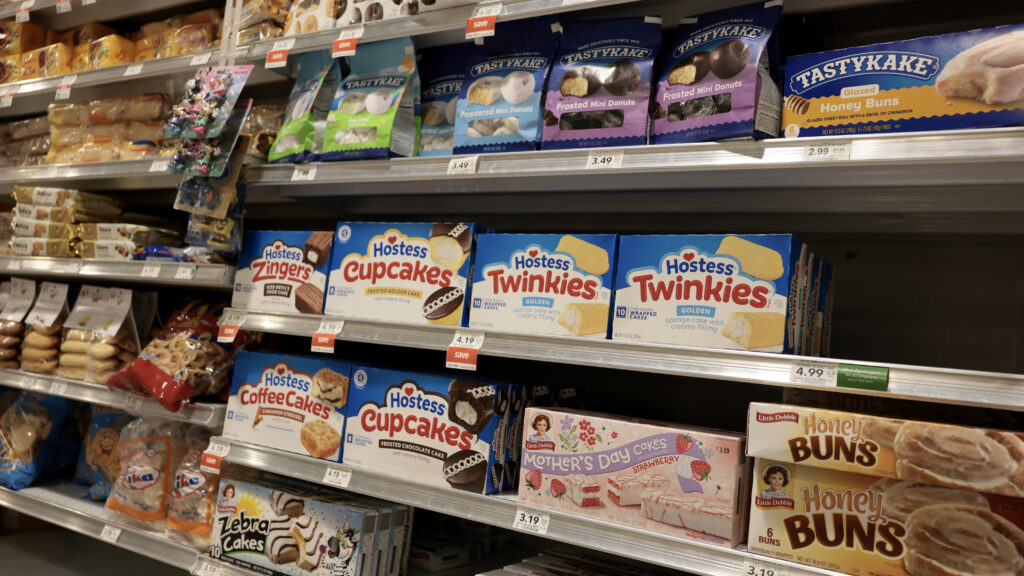
Ultra-processed food researchers urge policy action as new polling shows cross-partisan health concerns
A special edition of the American Journal of Public Health, featuring leading ultra-processed food researchers, calls for sweeping policy ch
 statnews.com·1mo ago
Study finds 2025-2030 US Dietary Guidelines increase environmental footprint through higher animal protein recommendations
This study analyzes the environmental impact of the 2025–2030 Dietary Guidelines for Americans, which recommend avoiding ultraprocessed food
 pnas.org·20d ago
Anti-Science Advocacy Leaders Profit from Make America Healthy Again Movement
The article exposes how leaders of the Make America Healthy Again (MAHA) movement are profiting financially from anti-science advocacy, part
 apnews.com·8mo ago
Supreme Court Sells Out American People to Foreign Chemical Corporations
Radio Free·12d ago
Comments
Sign in to join the conversation.
No comments yet. Be the first.