
























Technical Guide: Optimizing ClickHouse Performance for Intel's High-Core-Count Processors
Intel's latest processor generations are pushing the number of cores in a server to unprecedented levels. For analytical databases like ClickHouse, ultra-high core counts represent a huge opportunity…
Read the full articleYou might also wanna read


Intel Core Ultra 7 265K Review: Arrow Lake’s Smarter Middle Ground
Intel’s Core Ultra 7 265K sits in the middle of the Arrow Lake-S desktop stack, pairing 20 cores with a much larger architectural change tha

Intel’s Nova Lake-S LGA1954 52 cores
Intel’s next-gen “Nova Lake-S” Core Ultra series to feature up to 52 cores (16P+32E+4LP) with 150W TDP ... Read more
Iterating terabyte-sized ClickHouse® tables in production
Schema migrations on a streaming ClickHouse table? At 100s of MB/s? Here's how we do it across clusters without losing a single bit.
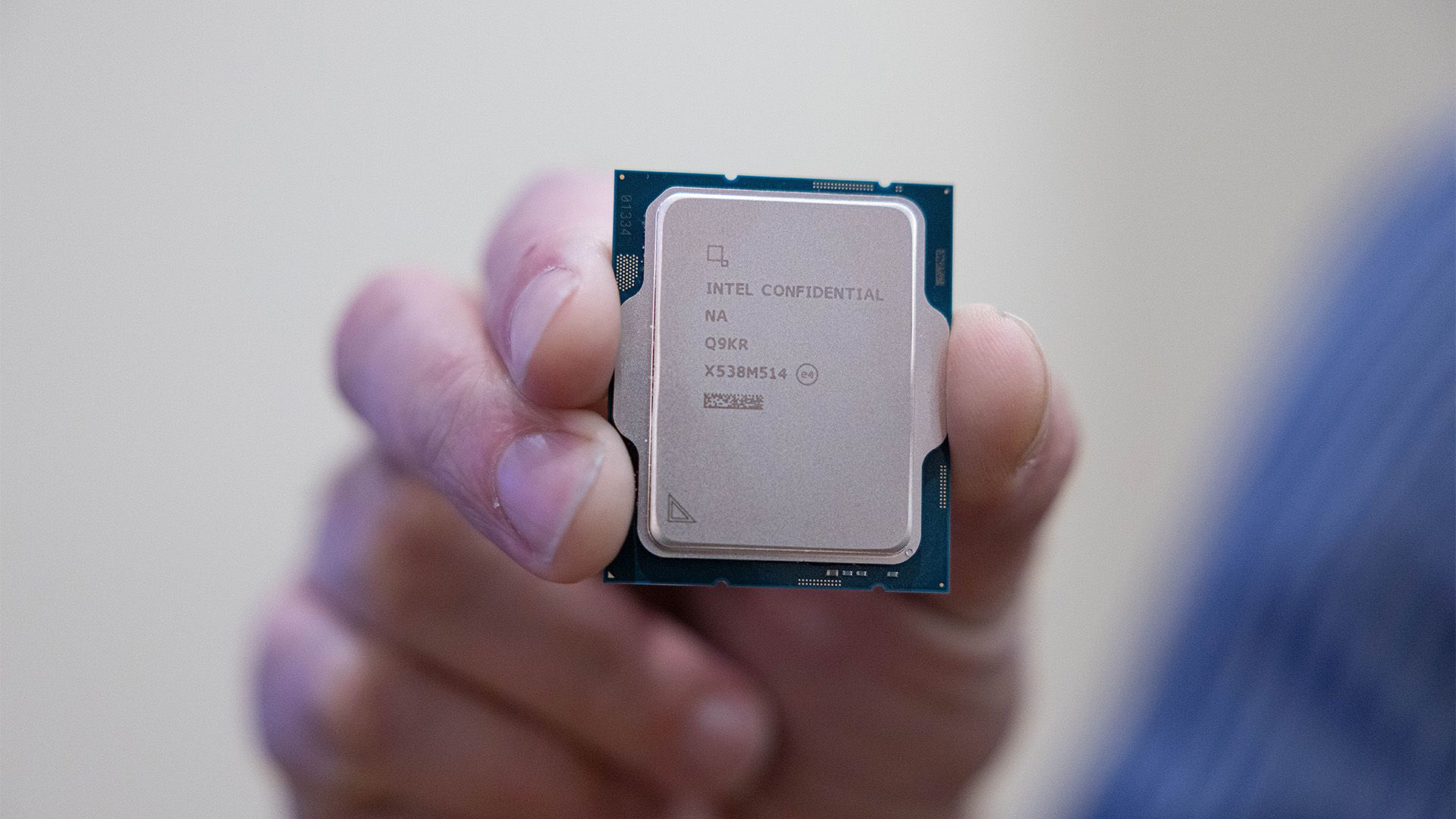
Intel's Core 9 273PQE (Bartlett Lake) fails to beat four-year-old Core i9-13900K in benchmarks
All those P-cores and still no gaming crown
 tomshardware.com·1mo ago
Intel launches Xeon 6+ Clearwater Forest with 288 E-cores on 18A process
Intel Xeon 6+ brings 288 E-cores to the existing Xeon 6900 platform First Intel 18A data center CPU launches June 1. Intel has launched its
 videocardz.com·1mo ago
Intel launches 288-core Clearwater Forest Xeon 6 on 18A process at COMPUTEX 2026
Chipzilla’s first 2nm-class Xeon is finally here bristling with 288 cores
 theregister.com·1mo ago
Intel launches 288-core Clearwater Forest Xeon 6 on 18A process at COMPUTEX 2026
Chipzilla’s first 2nm-class Xeon is finally here bristling with 288 cores
theregister.com·1mo ago
Comments
Sign in to join the conversation.
No comments yet. Be the first.