
























Technical Analysis of RollerCoaster Tycoon's Assembly Language Optimization
Due to some lucky circumstances, I recently had the chance to appear in one of the biggest German gaming podcasts, Stay Forever, to talk about the technology of RollerCoaster Tycoon (1999). It was …
Read the full articleYou might also wanna read


Dev Blog – Episode 4: Tycoon
Dev Blog - Episode 4 going in more detail about the tycoon mechanics. The post Dev Blog – Episode 4: Tycoon appeared first on Transport Feve
The Rise of Robotaxis: A New Era in Transportation
Hey there, fellow gamers! Let’s dive into the fascinating world of transportation, particularly the cool advancements in robotaxis that are

Drifting Mechanics Explained: How to Master the Slide in Racing Games
Breaking traction deliberately requires a sharp, aggressive combination of driver inputs.
Drifting Mechanics Explained: How to Master the Slide in Racing Games
Breaking traction deliberately requires a sharp, aggressive combination of driver inputs.
Drifting Mechanics Explained: How to Master the Slide in Racing Games
Breaking traction deliberately requires a sharp, aggressive combination of driver inputs.
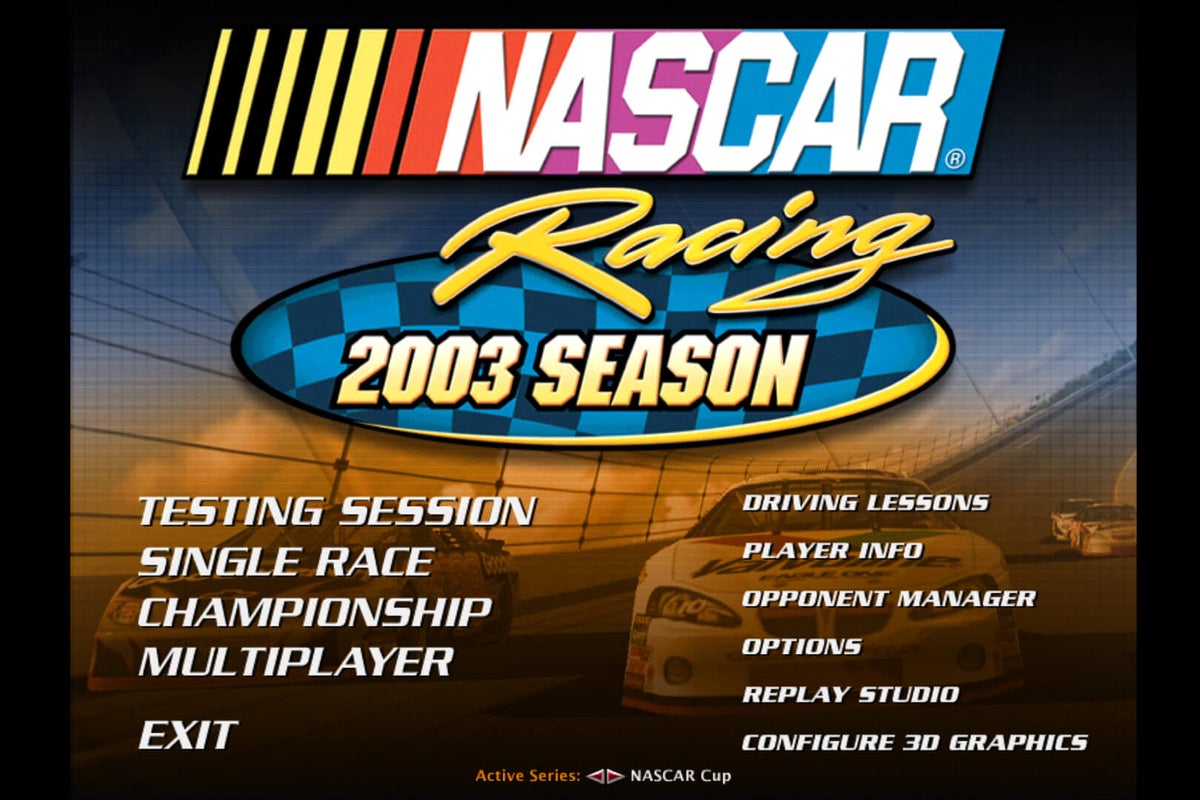
How the 'NASCAR Racing' video game series shaped a generation of real drivers and sim racing
Nearly 20 years after it was last released, the "NASCAR Racing" series' impact is still being felt in the garage and beyond.
 nytimes.com·25d ago
Comments
Sign in to join the conversation.
No comments yet. Be the first.