
























Technical Analysis: Detecting DOSBox Emulation from Within the Virtual Environment
Look forward to the movie adaptation of this post, which is just three hours of me reading DOSBox and DOSBox-X source code.
Read the full articleYou might also wanna read


Revisiting Stuxnet: Technical Analysis of File-Hiding Rootkit Design and Kernel Mechanisms
Revisiting Stuxnet: Research Notes Technical Analysis and Design Insights into the “...
 malwareanalysisspace.blogspot.com·16d ago
Novel Attack Techniques Abuse Windows Virtualization Feature to Evade EDR & Security
Bitdefender have released research documenting three previously undocumented attack techniques that abuse a legitimate Windows feature calle
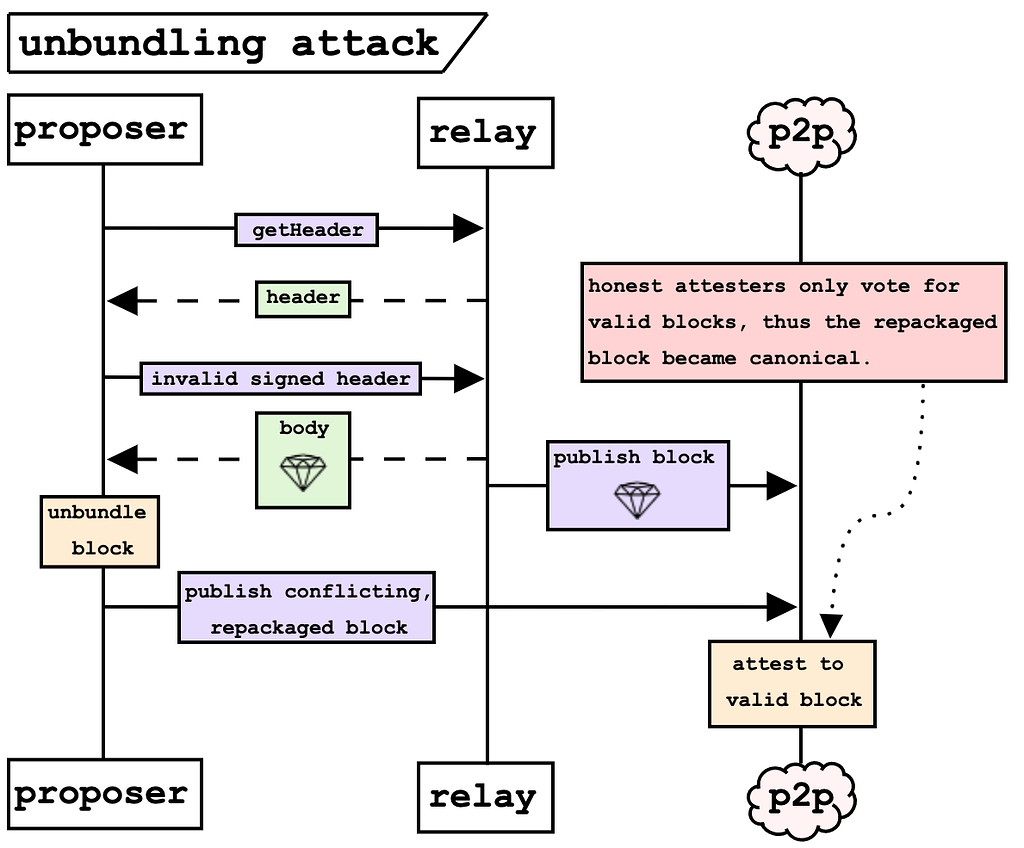
Analysis of equivocation attacks in Ethereum's mev-boost and ePBS systems
Equivocation attacks in mev-boost and ePBS authors (alphabetically) francesco d’amato & mike neuder – April 18, 2023 cross posted at Equivoc
 ethresear.ch·26d ago
You’re Driving Me Crazy: Analysing and Detecting BYOVD
A deep-dive technical reference for SOC teams and threat hunters covering BYOVD attack analysis, kernel driver reverse engineering, KQL dete
MCP Attack Vectors: Tool Poisoning, Prompt Injection, and How to Defend Against Them
A practical guide to MCP security threats — tool poisoning, prompt injection, supply chain attacks, and shadow servers — with real-world inc
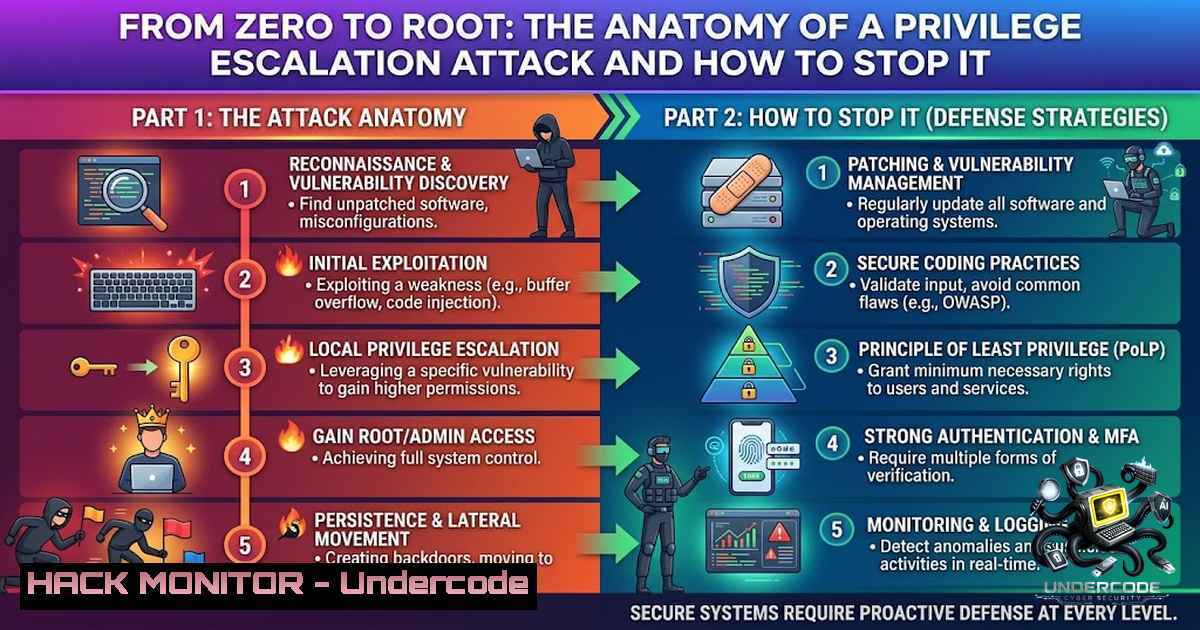
The Anatomy of Privilege Escalation Attacks: Techniques, Risks, and Defenses
From Zero to Root: The Anatomy of a Privilege Escalation Attack and How to Stop It + Video - "Undercode Testing": Monitor hackers like a pro
 undercodetesting.com·26d ago
Comments
Sign in to join the conversation.
No comments yet. Be the first.