
























Super El Nino May Trigger Nearly 18 TWh Power Generation Gap in India: Study
By
Chitrika Grover
1d agoen
Source
 Saur EnergySuper El Nino May Trigger Nearly 18 TWh Power Generation Gap in India: Studysaurenergy.com
India faces a dual challenge of reduced power generation from wind turbines and hydropower, along with declining wind speeds and rainfall associated with El Niño. Rising electricity demand, combined with higher temperatures, could drive increased demand for power-hungry air conditioning, according to a report by the Centre for Research on Energy and Clean Air (CREA). Additional cooling demand could total as much as 10 TWh within a year—the equivalent of a quarter of Delhi's annual electricity use. CREA's research shows that, when combining the loss of renewable energy output with increased power demand, India could face a generation gap of nearly 18 TWh. Currently, the most likely outcome is a surge in coal-fired power generation, which would release an estimated 17 million tonnes of CO₂. In the most severe scenario, additional coal-fired generation could reach 24 TWh, roughly half of India's entire increase in coal generation last year. "India has just endured a deadly heatwave and one of its hottest summers on record, pushing power demand to an all-time high of 270 GW. India must stay on track to achieve its target of 500 GW of non-fossil power by 2030, while also moving much faster on battery deployment and grid upgrades so that clean energy can meet future surges in power demand reliably and affordably," said Nandikesh Sivalingam, Director, Centre for Research on Energy and Clean Air (CREA). Solar Meets 24% of Daytime Power Demand, Reduces El Niño Affect The study noted that solar power now meets 24% of daytime power demand and is far less affected by El Niño. This means every additional solar panel and battery installed in India helps future-proof the grid against extreme weather events such as El Niño. According to the report, India added 44.6 GW of solar capacity last year, almost double the amount added the previous year. This contributed to a 1% increase in total electricity generation in 2025. Meanwhile, coal generation declined by 4%, while renewable energy output grew by 22%. The trend has continued into 2026, with thermal generation between January and May remaining below its 2024 level even as demand reached a record high and solar generation increased by nearly one-third. The 2026 El Niño serves as a foretaste of the extreme weather events that are becoming more common in a warming world. With El Niño occurring every two to seven years, the extent to which India can meet or exceed its solar and energy storage deployment targets will be a key measure of grid resilience. Record demand peaks, such as the 270 GW recorded in May, are routinely cited to support the case for new coal-fired power capacity . However, India's coal-fired power plants face significant challenges in keeping pace with the changing demand curve and operating with the flexibility the grid requires throughout the day. As a result of this inflexibility, grid operators curtailed around 2.1 TWh of solar and wind generation last year to keep coal-fired power plants running. Burning more coal would carry a heavy toll for India, resulting in higher levels of air pollution and more extreme heat. This super El Niño is expected to cause around 2,700 additional heat-related deaths in India during 2026–27, the second-highest total after Indonesia.
You might also wanna read

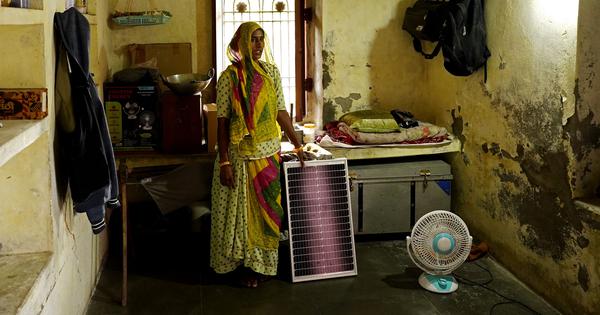
Grid constraints and storage gaps limit India's solar power utilization despite record generation
India reached a record power demand of 270 GW during a heatwave on May 21, with solar power contributing 28% of supply. However, experts not
 scroll.in·1mo ago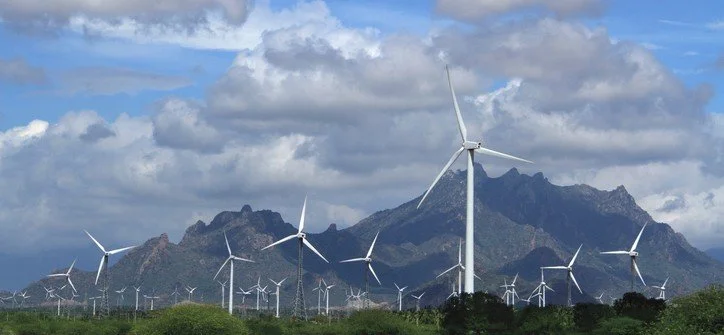
India's Renewable Capacity Surpasses Coal, But Generation Gap Remains
India has achieved two major milestones in its power sector: surpassing coal capacity with installed renewable energy capacity for the first
 ecpulse.in·14d ago
El Nino impact: India’s hydropower generation sees steepest drop since Feb 2024; piles pressure on grid
timesofindia.indiatimes.com·20h ago
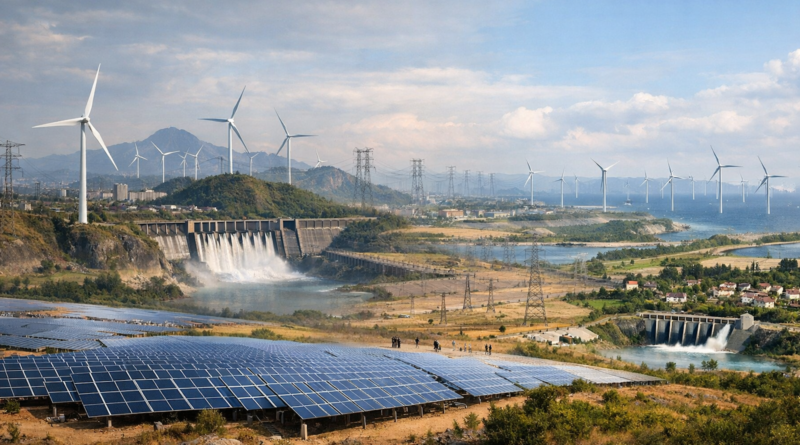
Global Clean Energy Capacity: China Leads, India Surges, US Falls Behind in Wind, Water, and Solar Buildout
Analysis of global renewable energy capacity buildout, focusing on China leading with massive wind, water, and solar installations, India su
 cleantechnica.com·24d ago
Report warns 90% of India's renewable energy sites face high climate risk by 2030
A report by Zurich Kotak General Insurance and Zurich Resilience Solutions warns that approximately 90% of India's renewable energy portfoli
 thehindubusinessline.com·12d ago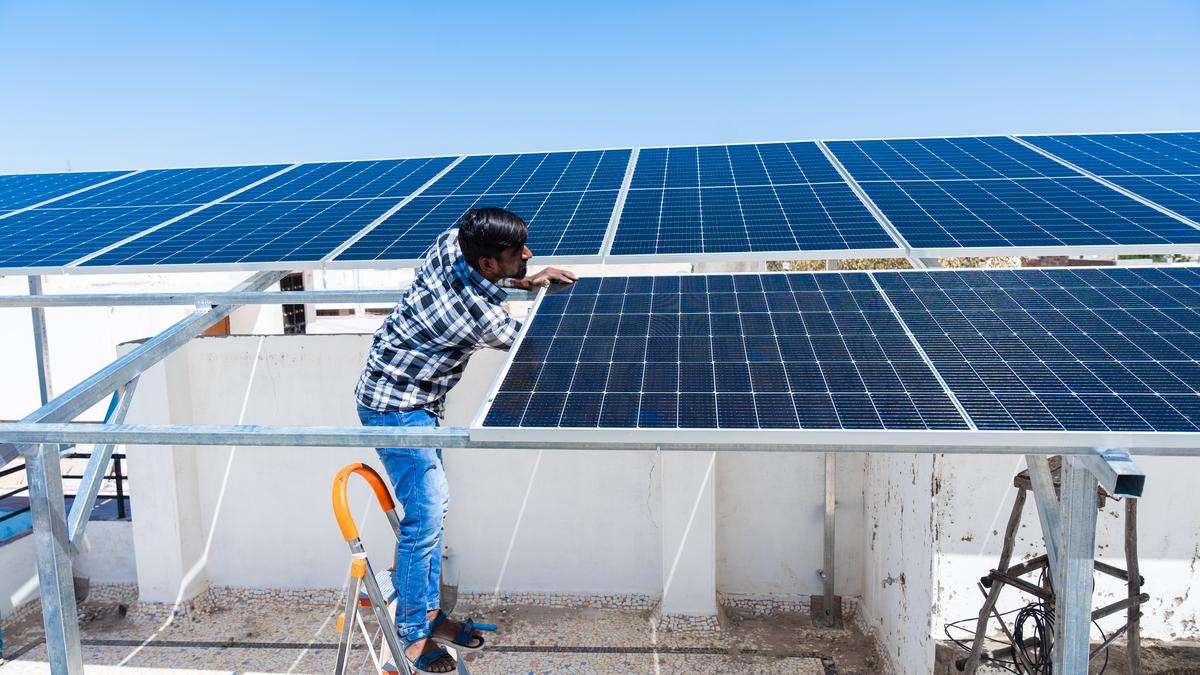
India's solar capacity reaches 154 GW as renewable energy transformation accelerates
India has achieved a remarkable renewable energy transformation, particularly in solar power, growing from a peripheral player to a global l
 thehindu.com·1mo ago
Comments
Sign in to join the conversation.
No comments yet. Be the first.