





















NBER Study Analyzes Optimal EV Tariffs and Subsidies for Green Transition
By
Panle Jia Barwick,
Summary
This research paper from the National Bureau of Economic Research (NBER) examines the optimal design of trade and industrial policy when governments pursue environmental goals alongside traditional national welfare. Using the global transition to electric vehicles (EVs) as a motivating case study, the authors develop a framework where policymakers choose tariffs and domestic production subsidies to maximize national welfare—defined as consumer surplus, domestic profits, environmental benefits, and tariff revenue net of subsidies. The analysis combines a theoretical model of differentiated-product oligopoly to explore the intersection of trade policy (tariffs) and environmental/industrial policy (subsidies) in the EV market.
Source

 Twitter / XNBER Study Analyzes Optimal EV Tariffs and Subsidies for Green Transitionnber.org
Key quotes
· 3 pulledWe study the optimal design of trade and industrial policy when governments pursue environmental objectives alongside traditional national welfare.
Motivated by the global transition to electric vehicles (EVs) and growing concerns about competitiveness, resilience, and the environment, we develop a framework in which policymakers choose tariffs and domestic production subsidies to maximize national welfare.
We combine a theoretical model of differentiated-product oligopoly
You might also wanna read


How affordability and policy made China the world's largest EV market
China has become the world's largest producer and buyer of electric vehicles, with nearly half of all new car sales being EVs. The article e
 bbc.com·15d ago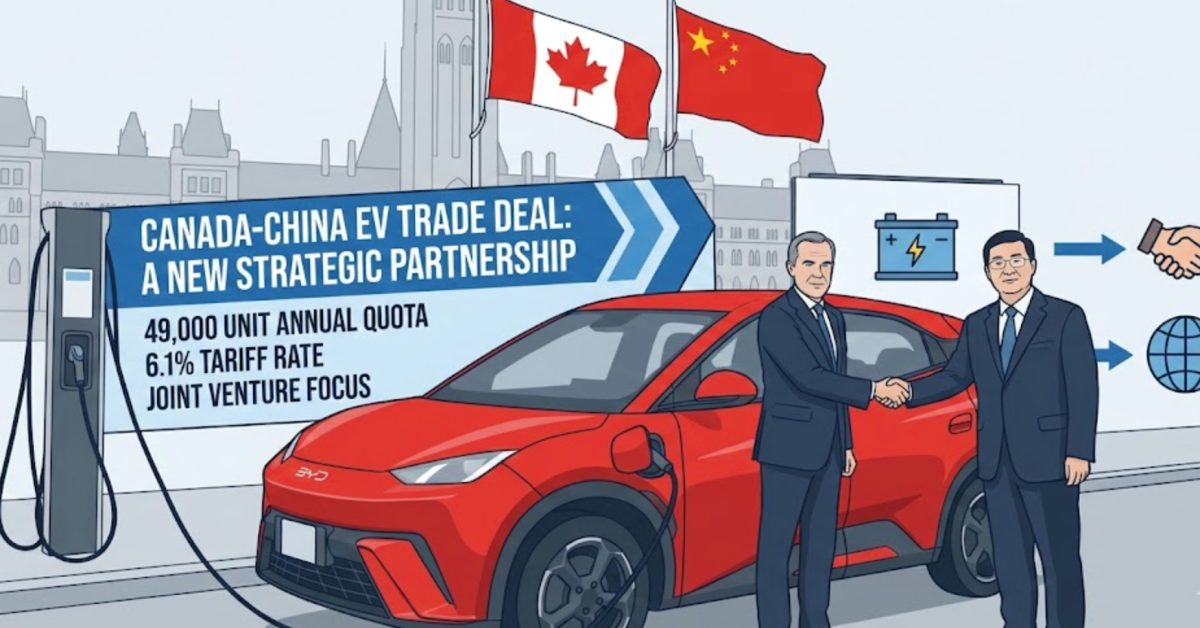
Canada reduces Chinese EV tariffs to 6%, diverging from US protectionist policy
Canada has announced a major policy shift by reducing tariffs on Chinese electric vehicles from 100% to 6%, breaking with the United States'
 electrek.co·5mo ago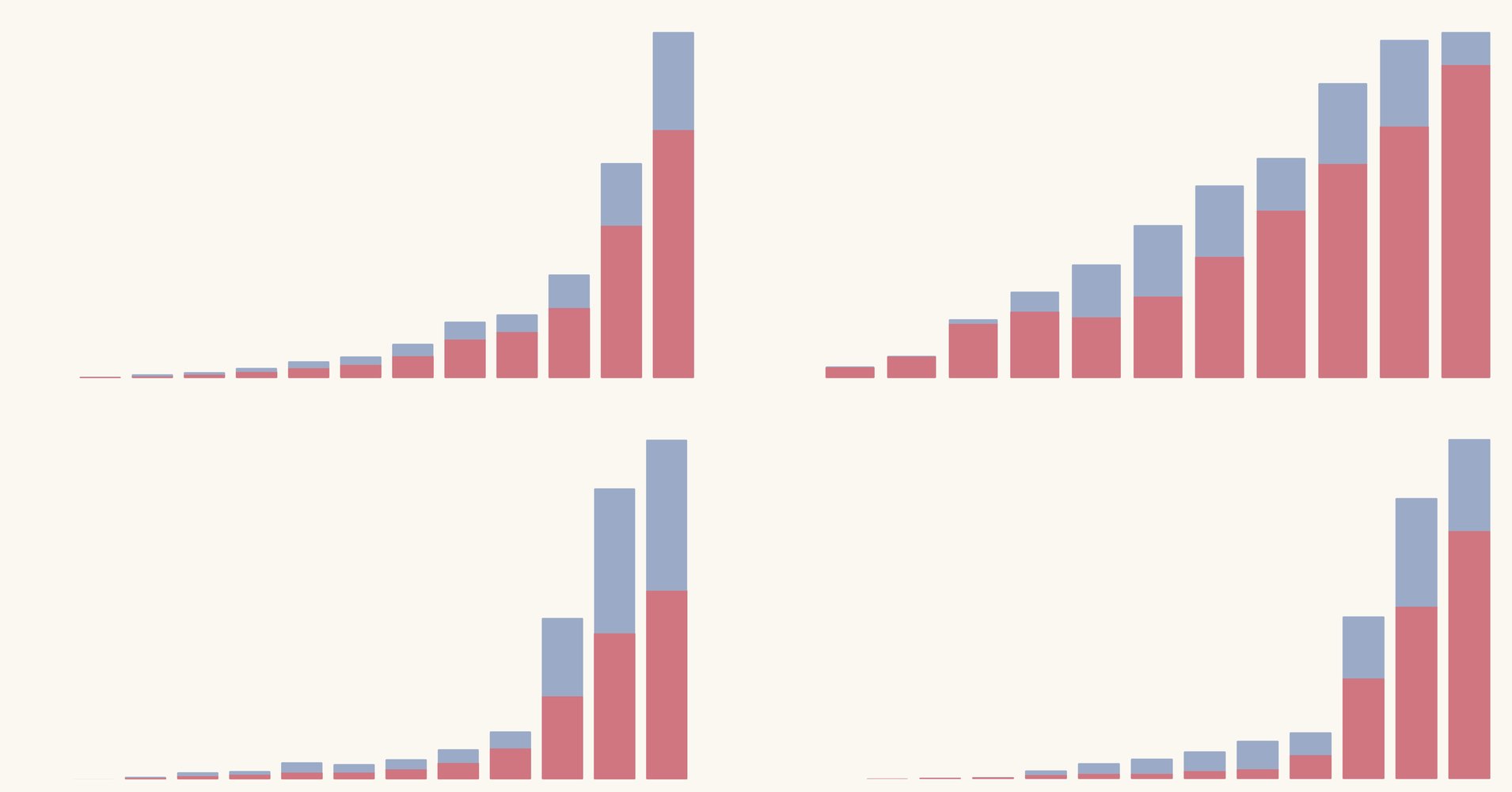
Global electric vehicle adoption: sales, stocks, and carbon impact data
This article explores global data on electric vehicle (EV) adoption, including sales figures and vehicle stocks worldwide. It highlights tha
Global electric vehicle adoption: sales, stocks, and carbon impact data
This article explores global data on electric vehicle (EV) adoption, including sales figures and vehicle stocks worldwide. It highlights tha
UK government to weaken 2030 electric vehicle sales target amid industry pressure
The UK government is planning to weaken its 2030 target requiring 80% of new car sales to be electric vehicles (EVs), following years of lob
 bbc.co.uk·6d ago
Study finds carbon tariffs alone are half as effective as combined domestic carbon tax and tariff policy
This NBER research paper examines whether carbon import tariffs can function effectively as standalone climate policies, or if they require
nber.org·8d ago
Canada Considers Removing 100% Tariff on Chinese Electric Vehicles
Canada is considering removing its 100% tariff on Chinese electric vehicles, which would mark a significant policy shift away from the U.S.
 thewirechina.com·7mo ago