





















Study finds carbon tariffs alone are half as effective as combined domestic carbon tax and tariff policy
By
Gregory Casey,

Day-old at best. Try it dunked in something stronger.
Summary
This NBER research paper examines whether carbon import tariffs can function effectively as standalone climate policies, or if they require a domestic carbon tax to be effective. Using a quantitative trade model focused on carbon-intensive, trade-exposed sectors, the study finds that U.S. carbon tariffs alone increase domestic emissions while lowering foreign emissions, achieving only half the global emissions reductions of a combined policy (tariff plus domestic carbon tax). Both approaches increase U.S. GDP and wages, but the standalone tariff is less effective for global climate goals.
Key quotes
· 3 pulledCarbon import tariffs, traditionally considered a complement to domestic climate policy, are increasingly proposed as standalone policies.
A U.S. carbon tariff increases U.S. emissions, lowers foreign emissions, and on net achieves half the global emissions reductions of the combined policy, which lowers both U.S. and foreign emissions.
Both approaches increase U.S. GDP and wages.
You might also wanna read

U.S. Carbon Emissions Rise 4.2% While China's Fall 2.7% in First Half of 2024
The United States' carbon emissions increased by 4.2% while China's emissions decreased by 2.7% in the first half of this year compared to t

Canada Considers Removing 100% Tariff on Chinese Electric Vehicles
Canada is considering removing its 100% tariff on Chinese electric vehicles, which would mark a significant policy shift away from the U.S.
 thewirechina.com·7mo ago
Canada reduces Chinese EV tariffs to 6%, diverging from US protectionist policy
Canada has announced a major policy shift by reducing tariffs on Chinese electric vehicles from 100% to 6%, breaking with the United States'
 electrek.co·4mo ago
New York Fed Research: US Businesses and Consumers Bear 90% of Tariff Costs
Research from the New York Federal Reserve shows that US businesses and consumers bear approximately 90% of the costs from tariffs imposed o
 ft.com·4mo ago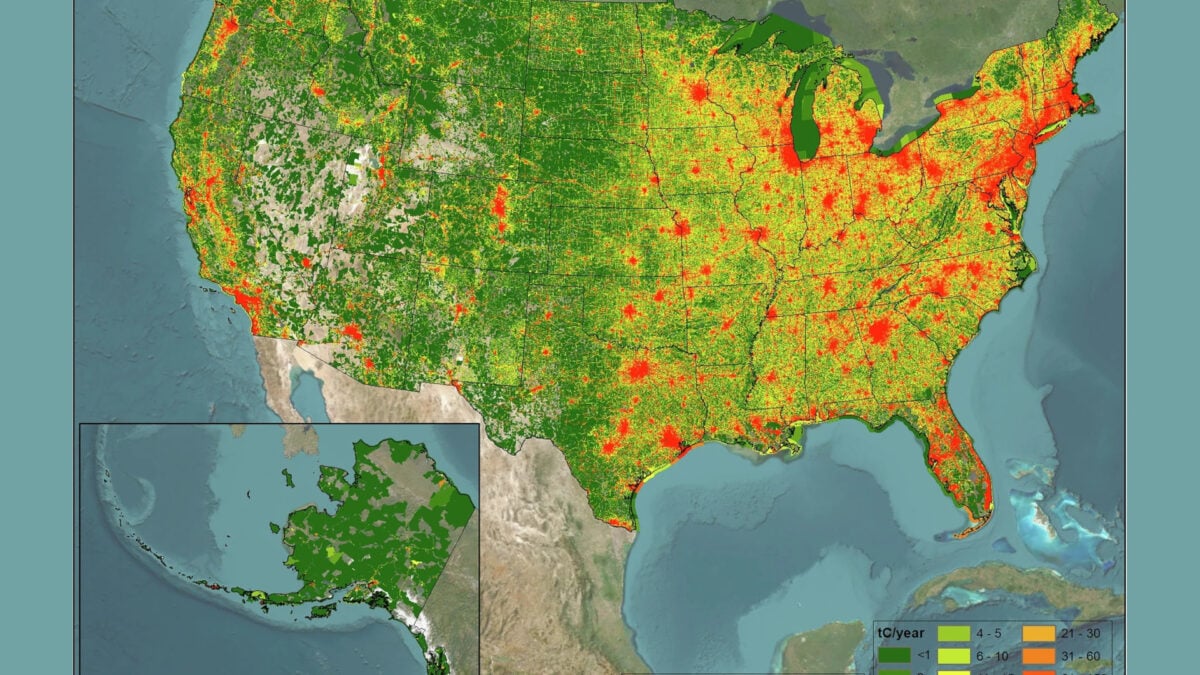
New High-Resolution Dataset Maps U.S. Carbon Emissions at Unprecedented Detail
Researchers have released the fourth version of Vulcan, a comprehensive dataset that maps CO2 emissions from fossil fuel combustion across t
 gizmodo.com·5mo ago