
























Study Shows Sharp Decline in Children's Food Allergies After Guideline Changes on Early Peanut Introduction
Doctors have long recommended that infants avoid peanuts. But in 2017, experts officially reversed that guidance, and food allergies decreased sharply.
Read the full articleYou might also wanna read

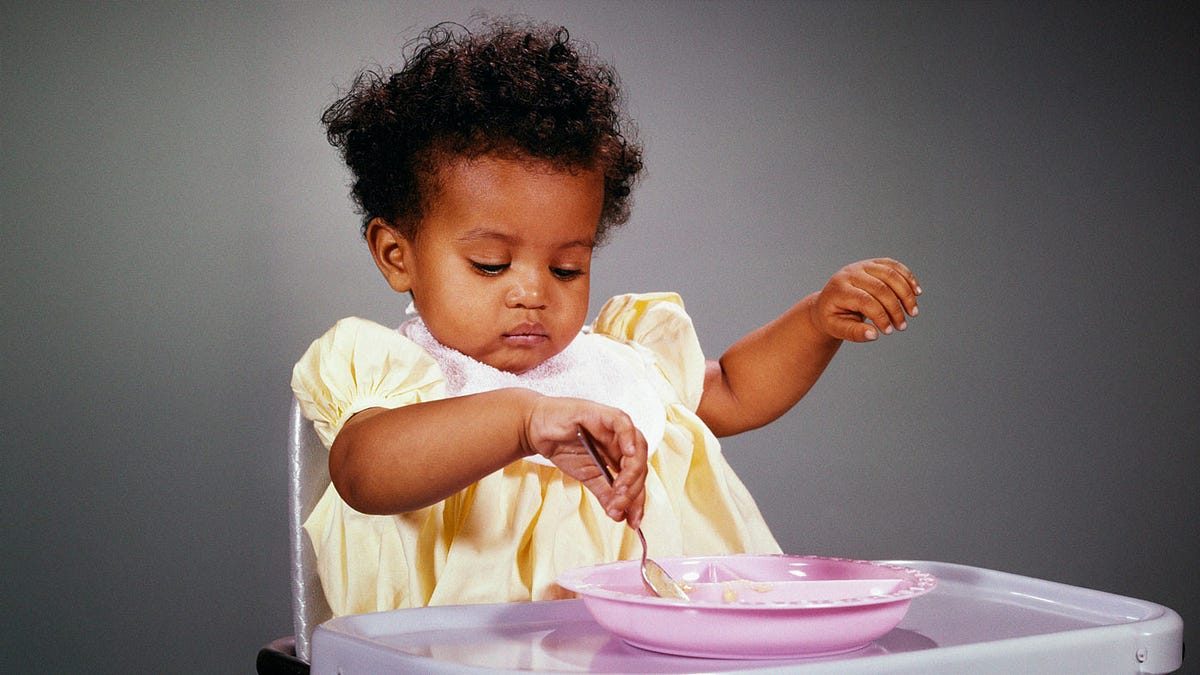
How Early Exposure to Allergens Like Peanuts Can Prevent Food Allergies in Children
For years, parents were told to keep infants away from allergenic foods. The science now says the opposite.
 thefp.com·25d ago
Taking prebiotics during pregnancy could protect babies from antibiotic-linked food allergies
New research from The Kids Research Institute Australia suggests a simple dietary intervention during pregnancy could help protect against t

5 Easy Grab-and-Go Snacks for Kids With a Peanut Allergy
Finding quick, allergen-free snacks for kids with peanut allergies is easy with this guide. Find out what experts recommend.

How to Travel Confidently When Your Child Has a Peanut Allergy
In unfamiliar circumstances, you may worry about your child being exposed to peanuts. Find out what experts recommend to prepare and give yo
Study sheds light on a misunderstood childhood food allergy
A few hours after eating, an infant may suddenly experience a severe reaction that leaves his or her parents searching for answers. Such epi

Japanese study links breastfeeding to mixed risks for childhood allergies
Breastfeeding is widely recognized for its important role in supporting a child's early growth and immune system development.
Comments
Sign in to join the conversation.
No comments yet. Be the first.