





















Study Shows Plastic Bag Bans and Fees Reduce Shoreline Pollution
By
miles

Hand-rolled, kettle-boiled, baked to perfection. Worth every minute at the bakery.
Summary
Plastic bag bans and fees have been effective in reducing harmful bag litter on shorelines, as shown by a study assessing their impact on US shorelines. Taxes or fees on plastic bags may be more effective than bans in reducing plastic waste. Plastic pollution poses a significant threat to marine and freshwater ecosystems.
Key quotes
· 3 pulledPlastic bag policies significantly reduced the proportion of plastic bags in shoreline litter.
Taxes or fees on plastic bags may be even more effective than bans.
Plastic pollution threatens marine and freshwater ecosystems and the services they provide.
You might also wanna read

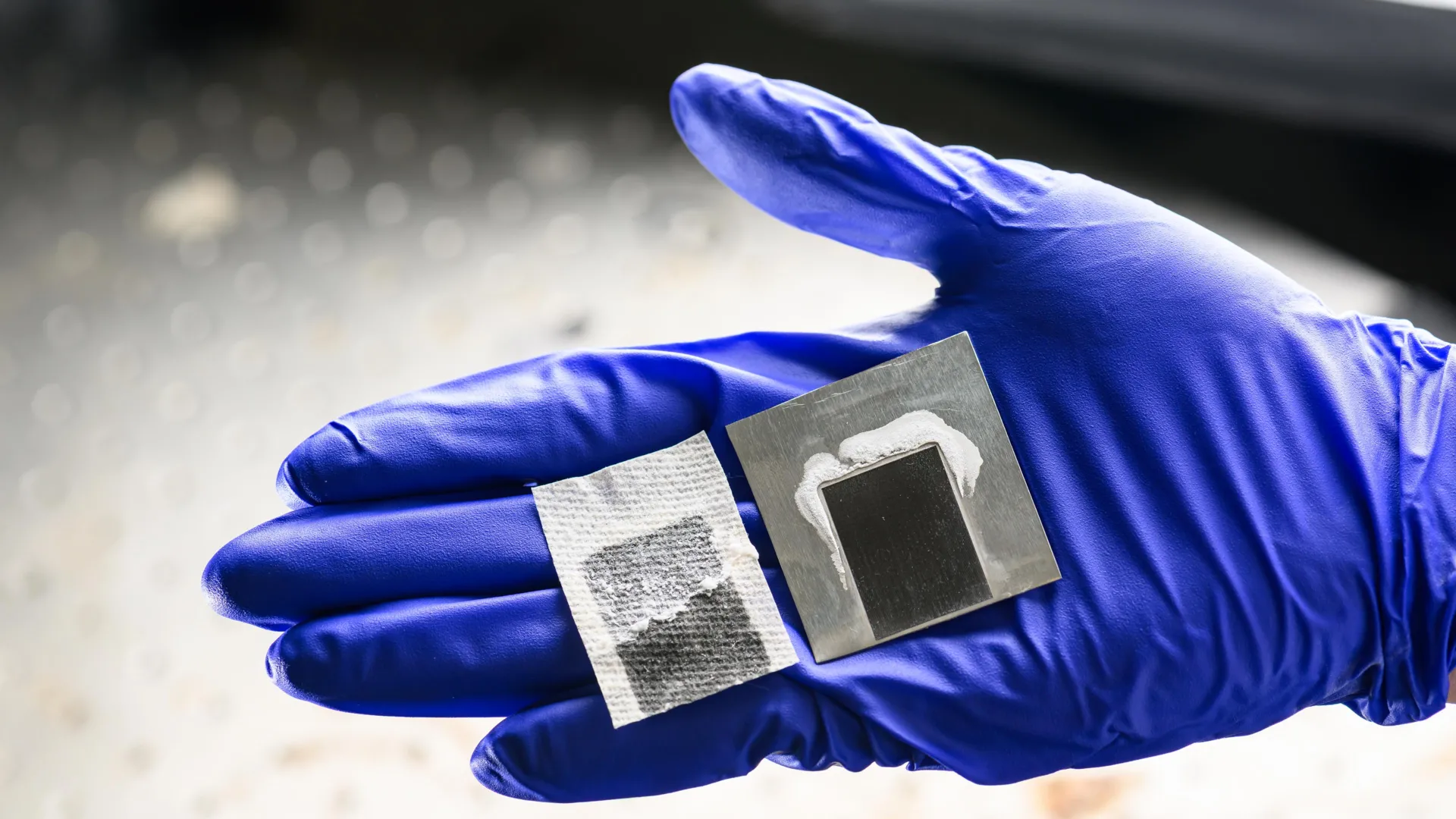
Solar desalination system eliminates toxic brine while producing fresh water
Scientists have developed a solar-powered desalination system that converts seawater into fresh water without producing toxic brine, a major
Solar desalination system eliminates toxic brine while producing fresh water
Scientists have developed a solar-powered desalination system that converts seawater into fresh water without producing toxic brine, a major

Conservation Group Uses Concrete Molds to Build Artificial Reefs in Malaysia's Coral Triangle
A conservation group is using concrete molds and 3D-printed structures to build artificial reefs in the Coral Triangle near Malaysia, aiming
 nytimes.com·11h ago
Microplastics in the atmosphere may contribute to global warming, research suggests
Microplastics, the tiny particles shed from plastic products, are accumulating in the atmosphere and may be contributing to global warming.
 cenm.ag·12h ago
Hindhead Tunnel project drives successful rewilding and pollution reduction in southern England
The Hindhead Tunnel project in southern England removed a road that had been causing traffic congestion and poor air quality in Hindhead vil
 bbc.co.uk·15h ago
Heating buildings produces far more CO2 than cooling, but AC emissions are rising faster
Heating buildings globally produces significantly more climate pollution than air conditioning, accounting for over 5 billion tons of CO2 an
 climate.mit.edu·16h ago