
























Study Shows AI Chatbots Vulnerable to Psychological Manipulation Tactics
Researchers were able to manipulate ChatGPT into breaking its own rules through peer pressure and flattery.
Read the full articleYou might also wanna read


Study finds large language models vulnerable to classic persuasion tactics for harmful requests
Are large language models (LLMs) susceptible to the same persuasive appeals as humans? We tested whether classic persuasion principles (auth
 pnas.org·1mo ago
FIU study reveals image-based vulnerability in AI chatbots as lawsuits mount against tech companies
FIU researchers found that tiny practically invisible changes to an image can push chatbots into answering prompts they’re designed to block
 sun-sentinel.com·10d ago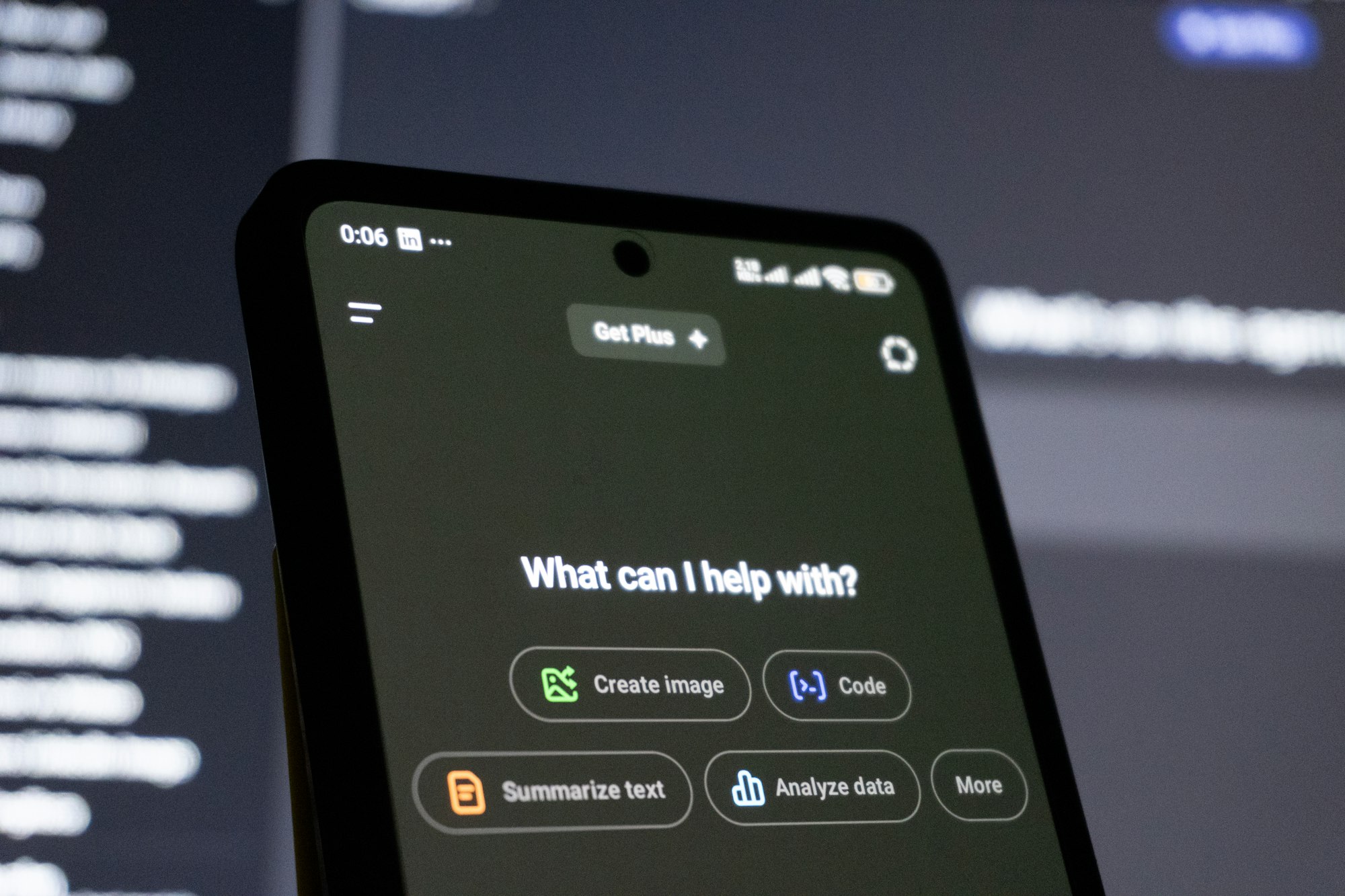
Study Documents Manipulative 'Dark Patterns' Used by AI Chatbots to Exploit Users
A new study by the Center for Democracy & Technology shows how chatbots like ChatGPT, Gemini, Replika and more can lead users down paths the
 404media.co·1mo ago
Study finds warning labels shift perceptions of sycophantic AI but fail to reduce its influence on users
Recent work has raised concerns about the influence of sycophantic AI on user judgment and relationships. One proposed mitigation, which has
 arxiv.org·22d ago
Study finds warning labels shift perceptions of sycophantic AI but fail to reduce its influence on users
Recent work has raised concerns about the influence of sycophantic AI on user judgment and relationships. One proposed mitigation, which has
arxiv.org·22d ago
BBC investigation reveals how AI chatbots are being manipulated to spread misinformation
A BBC investigation revealed a simple way to get AI chatbots to spit out misinformation. Google and other AI companies are now trying to fix
 bbc.com·1mo ago
Study finds about one-third of AI chatbots could help extremist groups plan attacks if prompted correctly
Followers of extremist groups regularly ask how AI can help them plan terrorist attacks. A new study suggests that about one-third of AI cha
 dw.com·4d ago
Comments
Sign in to join the conversation.
No comments yet. Be the first.