
























Study: Most Users Cannot Detect AI Bias in Facial Recognition Training Data
When recognizing faces and emotions, artificial intelligence (AI) can be biased, like classifying white people as happier than people from other racial backgrounds. This happens because the data used…
Read the full articleYou might also wanna read
Understanding Bias in AI Systems - What It Is and Why It Matters
AI systems can perpetuate and amplify bias, with facial recognition having 34% higher error rates for darker-skinned individuals. Learn abou

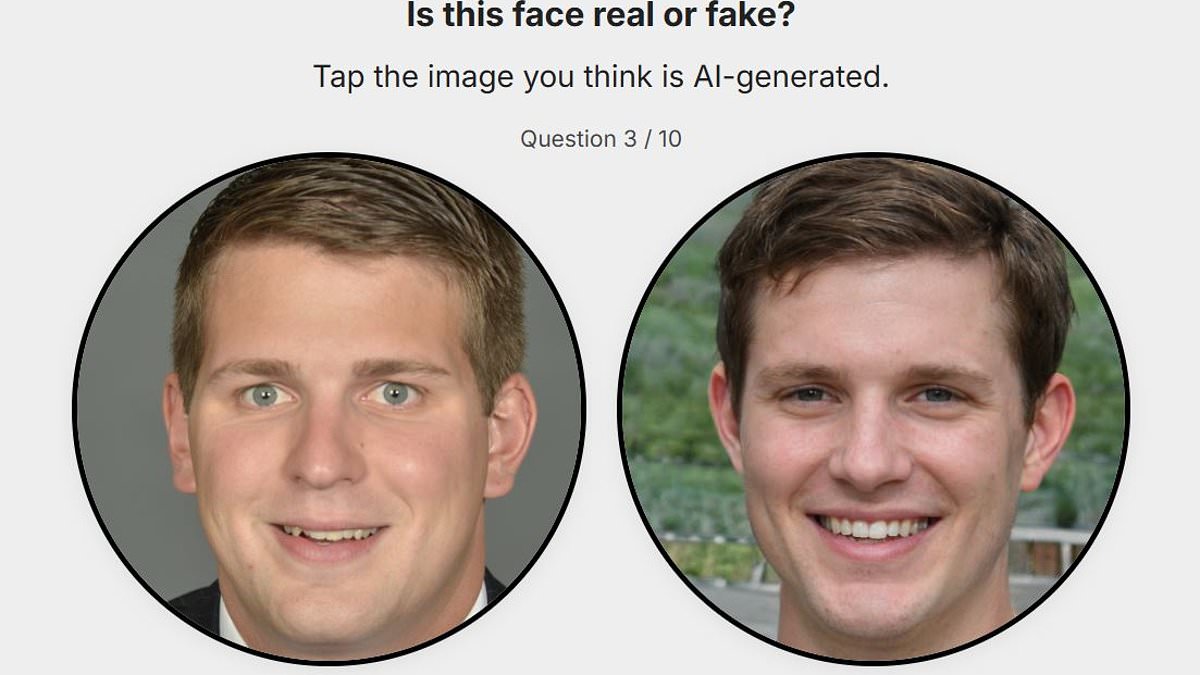
ANU study finds most people can't distinguish AI-generated faces from real ones, but offers training tips
Can you tell the difference between a real person and an image generated by artificial intelligence (AI)? According to a new study, it might
 dailymail.com·10d ago
Researchers Defend the Scientific Consensus on Bias and Discrimination in AI
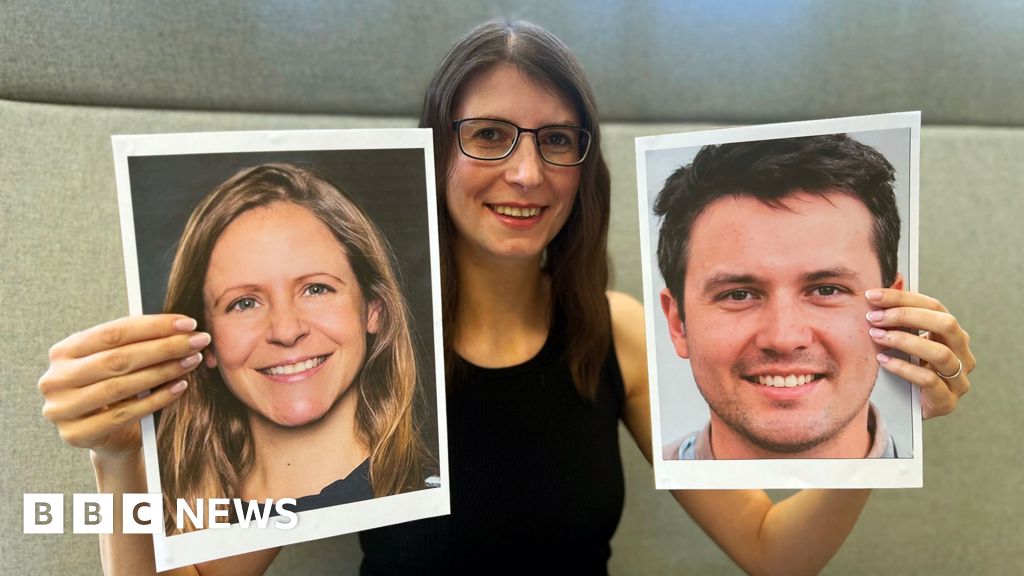
Can people be trained to spot AI deepfake facial images? Researchers put it to the test
Researchers in Aberdeen have been finding out if you can train people to identify computer-generated facial images.
 bbc.com·6d ago
Can people be trained to spot AI deepfake facial images? Researchers put it to the test
Researchers in Aberdeen have been finding out if you can train people to identify computer-generated facial images.
bbc.com·6d ago
New training method helps humans detect AI-generated faces using holistic perception
As AI-generated faces become indistinguishable from real ones, deepfake technology poses escalating threats to information integrity and sec
 pnas.org·7d ago
AI and the Myth of Machine Objectivity: How Human Bias Shapes Automated Systems
AI is genuinely good at like pattern recognition, speed, and repetition at scale. That also makes any bias it has dangerous.
 spin.atomicobject.com·12d ago
Comments
Sign in to join the conversation.
No comments yet. Be the first.