
























Study Compares Every-Third-Day vs Daily Low-Dose Aspirin Effects on Thromboxane Inhibition
Aspirin's antithrombotic effect is mediated predominately by inhibition of platelet cyclooxygenase-1, leading to a decline in serum thromboxane A2 concentrations. We performed a placebo-controlled…
Read the full articleYou might also wanna read


Low-Dose Aspirin and the Risk of Stroke
Dr. Geoffrey A. Donnan discusses his paper, "Low-Dose Aspirin and the Risk of Stroke and Intracerebral Bleeding in Healthy Older People". Sh

If you take aspirin to prevent heart disease, it may be time to discuss it with your doctor
Robert Carhart, MD (photo by Jim Howe) Robert Carhart, MD (photo by Jim Howe) Taking a daily aspirin to prevent heart disease is no longer a

FDA approves first daily pill to drastically lower cholesterol levels
Federal regulators approved a first-of-its-kind cholesterol medication from Merck that rivals the effectiveness of powerful drugs already on

Rethinking aspirin for heart health; what research says on gun laws, violence; proposed insulin pill offers alternative to injections; Upstate Medical University's HealthLink on Air for Sunday. April 14, 2019
Cardiologist Cardiologist Robert Carhart, MD, addresses revised guidelines on the use of aspirin to prevent heart disease Robert Carhart, MD
Takeda’s zasocitinib proves ‘top-notch’ for difficult-to-treat psoriasis in phase 3 update
Takeda has unveiled more data from its phase 3 trials of zasocitinib, demonstrating that the once-daily pill was able to clear or almost cle
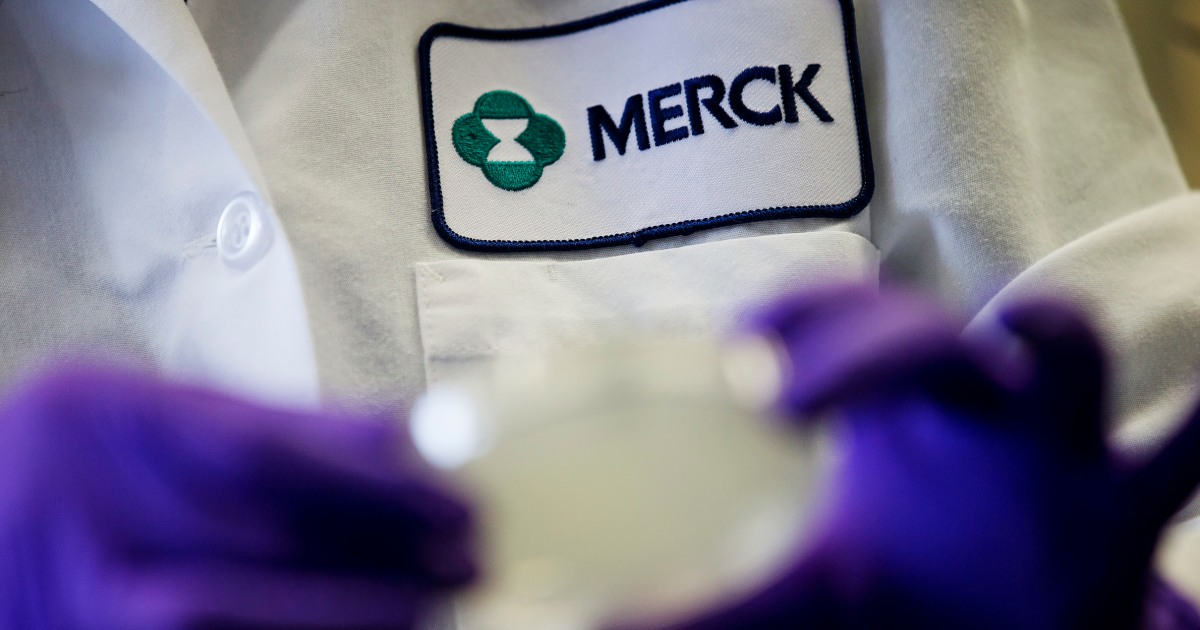
FDA approves Merck's Lipfendra, first daily PCSK9 inhibitor pill for high cholesterol
Merck said on Thursday the Food and Drug Administration has approved Lipfendra, a PCSK9 inhibitor cholesterol pill.
 nbcnews.to·16h ago
FDA approves Merck's Lipfendra, first daily PCSK9 inhibitor pill for high cholesterol
Merck said on Thursday the Food and Drug Administration has approved Lipfendra, a PCSK9 inhibitor cholesterol pill.
nbcnews.to·16h ago
Comments
Sign in to join the conversation.
No comments yet. Be the first.