
























Strait of Hormuz sulfur price spike signals future fertilizer cost challenges as fossil fuel byproduct supply declines
The Strait of Hormuz sulfur shock previews a future where cheap fossil byproduct sulfur declines and phosphate fertilizer costs rise.
Read the full articleYou might also wanna read


Beyond oil: How the Middle East conflict ripples from fertilizer, to food, all the way to forex
When markets priced in the consequences of the conflict in the Middle East, oil dominated the conversation. The Strait of Hormuz, however, c
Strait of Hormuz disruption scenarios and fertilizer purchasing risks for US producers
Strait of Hormuz disruption scenarios and fertilizer purchasing risks for US producers University experts offer pricing scenarios and outloo

West Point Analysis: Strait of Hormuz Blockade Disrupts Critical Mineral Supply Chains for US Defense Industry
Report shows how minerals critical to defense readiness have seen a ‘near total’ disruption in seaborne trade
 theguardian.com·3mo ago
15 India-bound ships carrying urea, DAP and sulphur cross Hormuz: Govt
Despite Middle East conflict disruptions, India's fertilizer supply remains robust. Most shipments successfully navigated the Strait of Horm
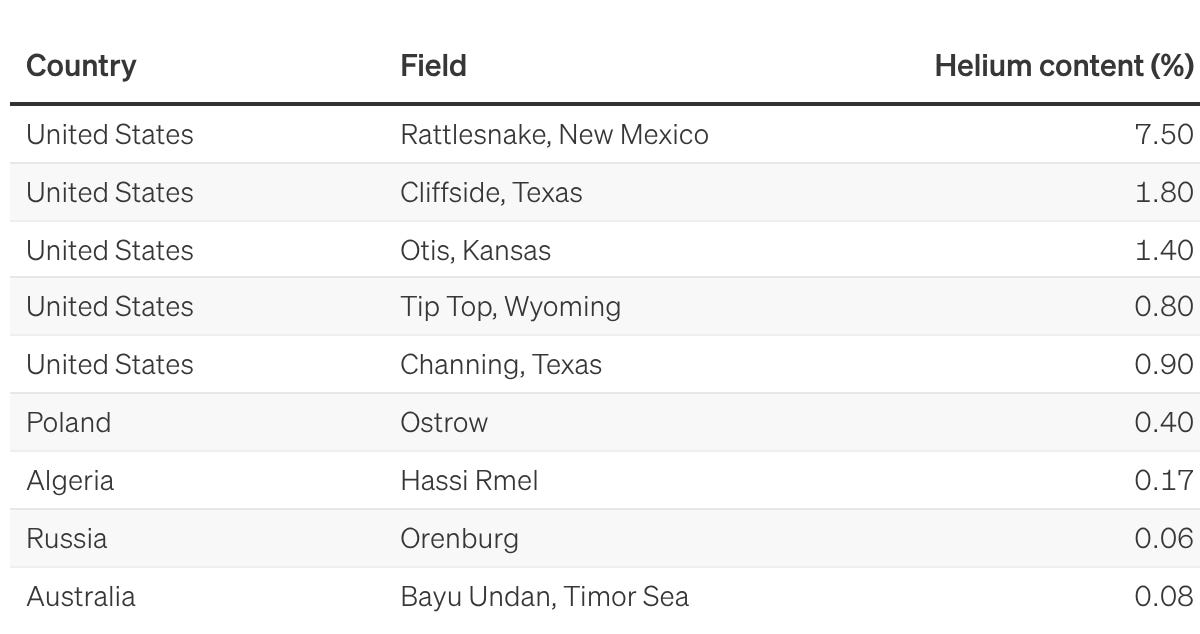
War in Iran Disrupts Helium and Petroleum Supply Chains
The war in Iran, and the subsequent closure of the Strait of Hormuz, has unfortunately made us all familiar with details of the petroleum su
 construction-physics.com·3mo ago
Urea Prices Surge Above $700/Ton as Middle East Conflict Disrupts Global Fertilizer Markets
Urea rose to 708 USD/T on April 7, 2026, up 0.96% from the previous day. Over the past month, Urea's price has risen 21.13%, and is up 82.71
 tradingeconomics.com·4mo ago
Comments
Sign in to join the conversation.
No comments yet. Be the first.