
























Strait of Hormuz Closure May Be Extended, Challenging Previous Assumptions
On day six of the Middle East war, hope of a swift reopening of the Strait of Hormuz is fading. There does not seem to be a quick fix. A material return of transits in the future will require…
Read the full articleYou might also wanna read
Hormuz War-Risk Cover Climbs as Shipowners Pull Back
London marine insurers have been seeing fewer inquiries for journeys to transit the Strait of Hormuz and some said the cost of cover had ris
Hormuz Closure Extends Well Beyond Oil to Threaten Chinese EVs: Russell
(Reuters) – Buyers of electric vehicles and consumers of a diet cola in India may seem to be two groups with little in common, but they are


Iran closes Strait of Hormuz, warns against unauthorized shipping routes
The closure of the Strait of Hormuz heightens geopolitical tensions, potentially disrupting global oil markets and impacting economic stabil
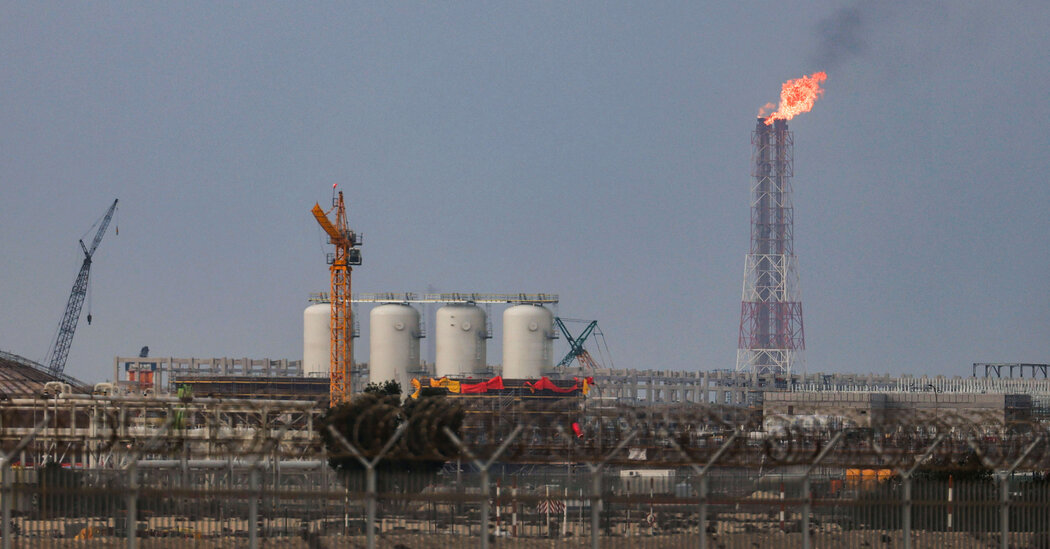
Strait of Hormuz Closure Triggers Global Supply Shortages, Hitting Developing Nations Hardest
After three months, the fallout of the closure of the Strait of Hormuz is spreading, with developing countries bearing the brunt of the shor
 nytimes.com·1mo ago
War-risk insurance rates for Strait of Hormuz vessels rise amid renewed tensions
War-risk insurance rates for vessels transiting the Strait of Hormuz have risen again amid renewed military escalation in the region, a lead

Threat Level in Strait of Hormuz 'Severe', Says UK Maritime Monitor
The UK Maritime Trade Operations agency on Sunday said that the security threat in the Strait of Hormuz remains "severe"
Comments
Sign in to join the conversation.
No comments yet. Be the first.