
























StoryScope: New AI detection method identifies AI-generated fiction through narrative structure, not writing style
By
[Submitted on 3 Apr 2026 (v1), last revised 13 Apr 2026 (this version, v4)]
Summary
This research paper introduces StoryScope, a pipeline that analyzes discourse-level narrative features (such as character agency and chronological discontinuity) to distinguish AI-generated fiction from human-written stories. Unlike existing work focusing on surface-level stylistic signals, StoryScope examines 10 dimensions of narrative construction across 61,608 stories. Key findings include: narrative features alone achieve 93.2% accuracy for human vs. AI detection; AI stories tend to over-explain themes and favor tidy, single-track plots while human stories feature morally ambiguous protagonist choices and temporal complexity; different AI models have distinct narrative fingerprints (e.g., Claude produces flat event escalation, GPT over-indexes on dream sequences, Gemini defaults to external character description); and AI-generated stories cluster together in narrative space while human stories show greater diversity.
Source

 bskyStoryScope: New AI detection method identifies AI-generated fiction through narrative structure, not writing stylearxiv.org
Key quotes
· 5 pulledNarrative features alone achieve 93.2% macro-F1 for human vs. AI detection and 68.4% macro-F1 for six-way authorship attribution, retaining over 97% of the performance of models that include stylistic cues.
AI stories over-explain themes and favor tidy, single-track plots while human stories frame protagonist' choices as more morally ambiguous and have increased temporal complexity.
Claude produces notably flat event escalation, GPT over-indexes on dream sequences, and Gemini defaults to external character description.
AI-generated stories cluster in a shared region of narrative space, while human-authored stories exhibit greater diversity.
Differences in underlying narrative construction, not just writing style, can be used to separate human-written original works from AI-generated fiction.
You might also wanna read

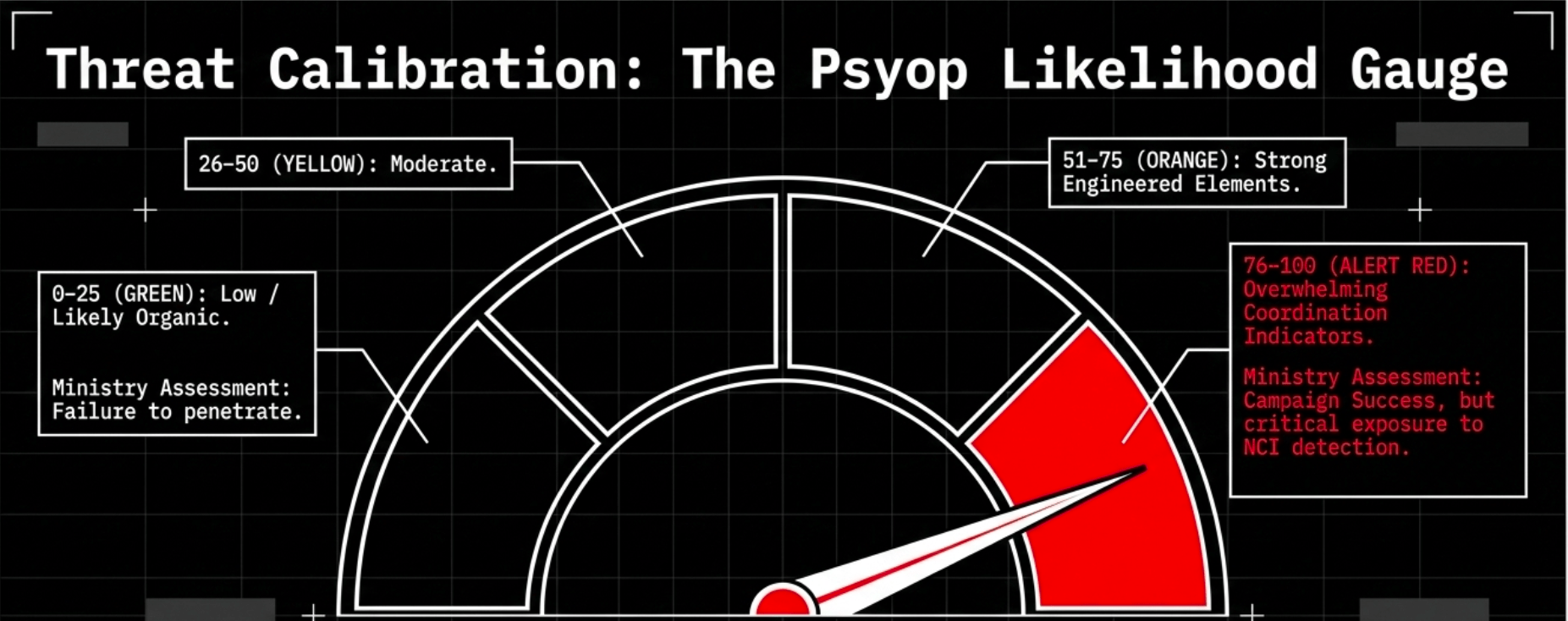
AI Prompt Tool Aims to Detect Psychological Operations in News Media
This article presents an AI-powered prompt tool designed to detect psychological operations (psyops) and engineered narratives in news and m
 readmultiplex.com·10d ago
AI Prompt Tool Aims to Detect Psychological Operations in News Media
This article presents an AI-powered prompt tool designed to detect psychological operations (psyops) and engineered narratives in news and m
readmultiplex.com·10d ago
EditLens: A New Model for Detecting and Quantifying AI Editing in Human-Written Text
This paper introduces EditLens, a regression model that detects and quantifies the extent of AI editing in text, distinguishing between huma
arxiv.org·1mo ago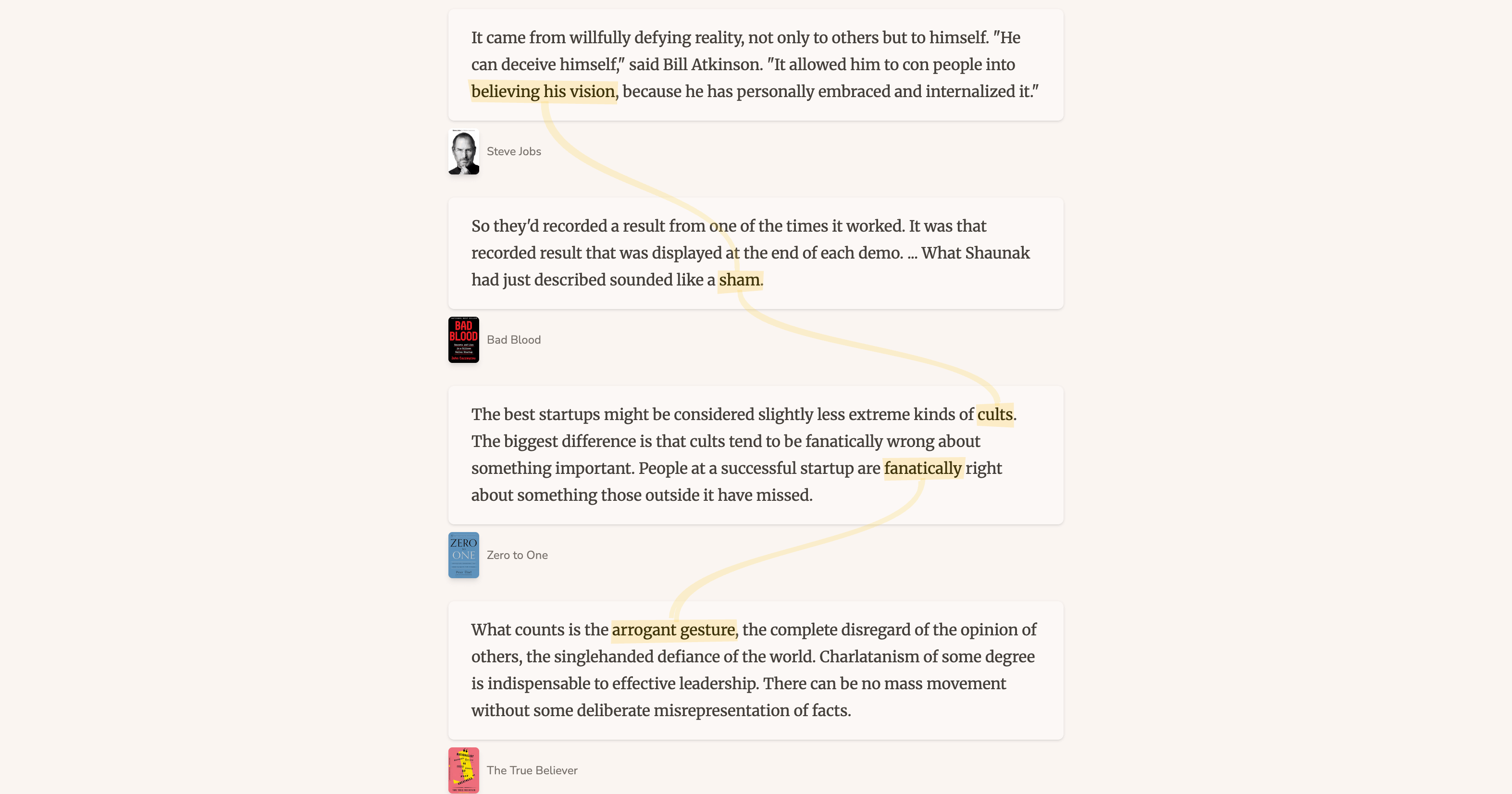
Using Claude Code for Syntopic Reading Across 100 Non-Fiction Books
The article describes an experimental approach to using LLMs (specifically Claude Code) for deeper reading and analysis across multiple book
 pieterma.es·5mo ago
Study Finds AI Fiction is Dominated by Power Users
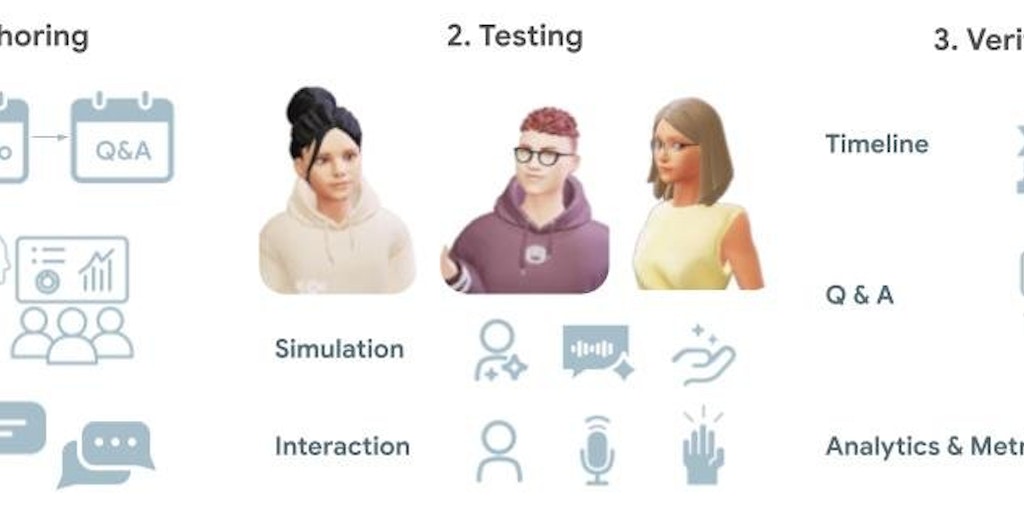
DialogLab: A Research Prototype for Authoring and Testing Human-AI Group Conversations
DialogLab is a research prototype tool that provides a unified interface for designing and testing human-AI group conversations. It allows d
 Product Hunt·4mo ago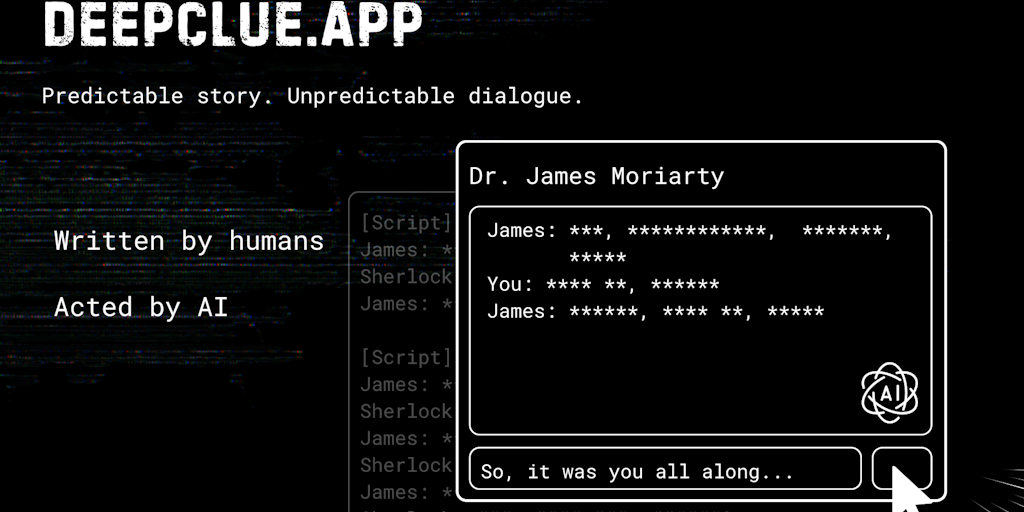
DeepClue: AI-Powered Interactive Mystery Game Platform with Human-Written Stories
DeepClue is an AI-powered deduction game platform that combines human-written mystery stories with AI-generated character dialogue. Unlike o
Product Hunt·9mo ago
Comments
Sign in to join the conversation.
No comments yet. Be the first.