
























Spider venom peptides show promise as eco-friendly treatment for honeybee-killing varroa mites
Researchers have discovered that peptides from the venom of the Tasmanian cave spider and giant Japanese funnel-web spider can kill Varroa destructor mites — a deadly parasite threatening honeybee colonies worldwide — without harming the bees. Published in npj Drug Discovery, the study led by Dr. Volker Herzig from the University of the Sunshine Coast represents an early step toward developing environmentally friendly alternatives to synthetic acaricides currently used to treat infestations.
Key quotes
Study lead author Volker Herzig from the University of the Sunshine Coast's Centre for Bioinnovation says the discovery is the first step in finding a new, environmentally friendly way to combat varroa mites which are destroying honeybee colonies across the globe.
From the article
You might also wanna read
Varroa risk to Tasmanian crop pollination

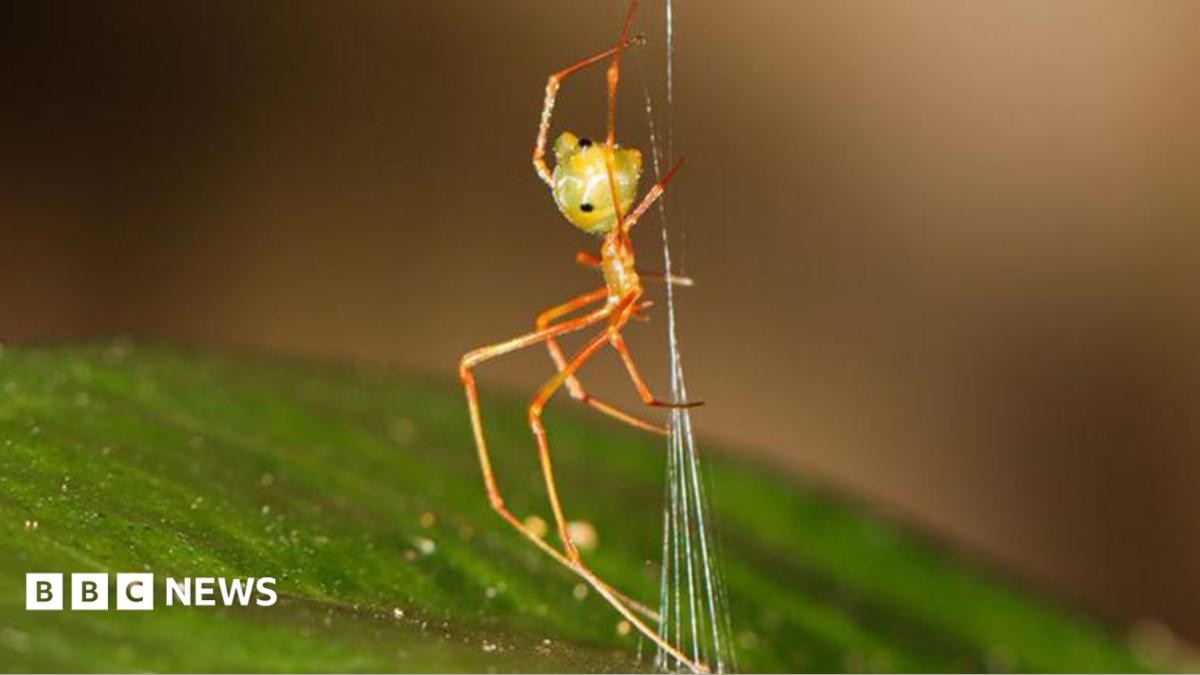
New spider species discovered in Australia uses catapult-like silk trap to catch dangerous ants
A new species of spider discovered in northern Australia uses a unique catapult-like silk trap to capture a single type of dangerous ant. Th
 bbc.co.uk·16d ago
Hybrid honeybees offer varroa mite resistance but raise safety concerns for beekeepers
The article discusses the crisis in U.S. honeybee health, with beekeepers facing upwards of 40% colony losses each winter due to varroa mite
 ambrook.com·24d ago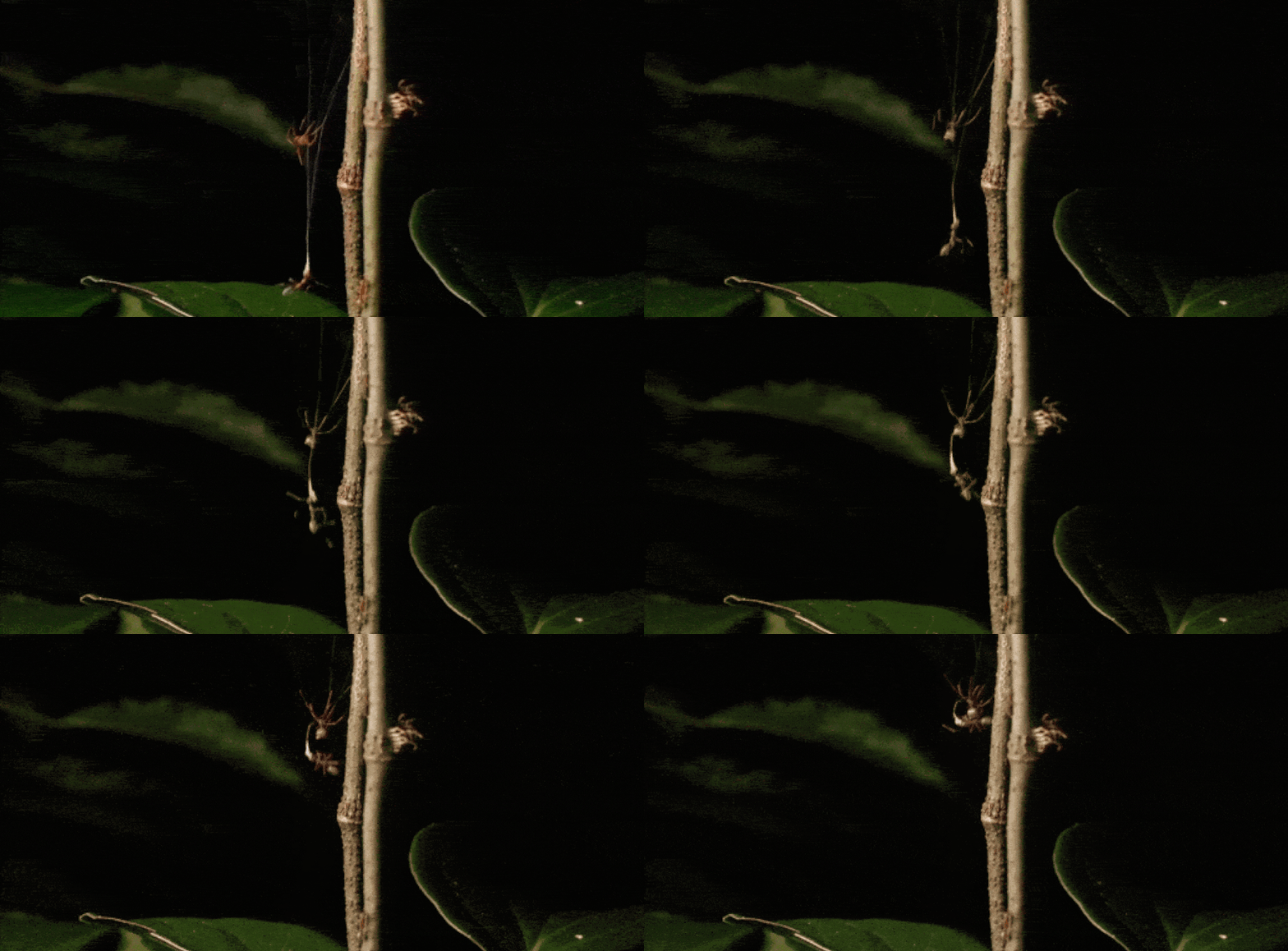
Researchers discover Australian spider that uses web catapult to hunt aggressive green tree ants
Researchers discovered a new hunting strategy in a small Australian spider (genus Ballista) from the Cape York Peninsula in Queensland. This
 theconversation.com·16d ago
UK government found to have broken environmental law by allowing banned bee-killing pesticide on farms
The UK government's Department for Environment, Food and Rural Affairs (Defra) breached environmental law when it granted emergency authoris
 theguardian.com·6d ago
Comments
Sign in to join the conversation.
No comments yet. Be the first.