
























Specific: Build Backend Services Using Natural Language Specifications
Platform for building backend services using specifications in natural-language instead of code.
Read the full articleYou might also wanna read

Vybe Platform: Natural Language to Production-Ready Internal Applications
Vybe turns natural language into secure, production-ready internal apps that connect to your real data. No long backlogs, no glue code, no f
 Product Hunt·7mo ago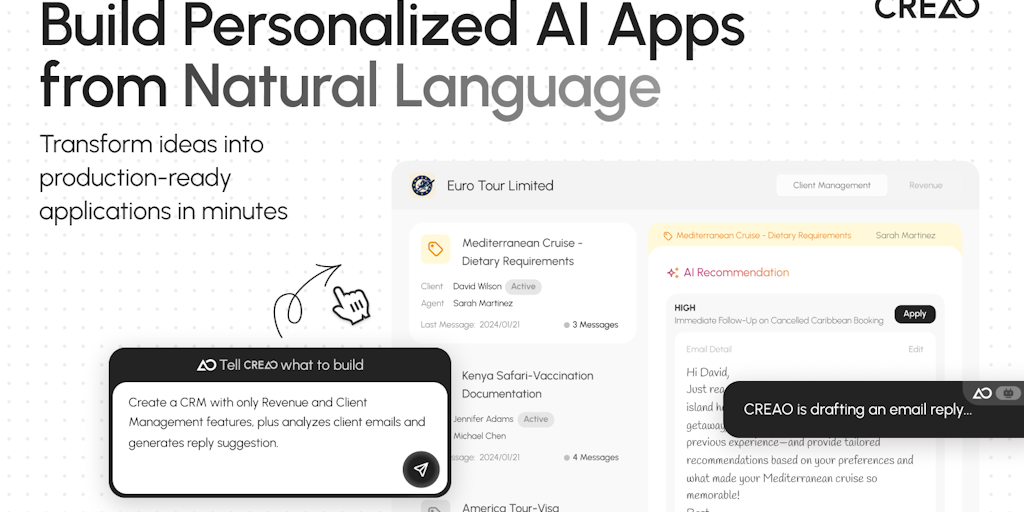
CREAO: Natural Language Platform for Creating Custom AI Team Applications
Teams get stuck with one-size-fits-all SaaS that doesn’t fit anyone perfectly. CREAO lets anyone build custom AI apps with natural language,
Product Hunt·11mo ago
Build0: No-Code Platform for Creating Internal Apps and AI Workflows
Tired of waiting on engineering bandwidth or duct-taping tools that don’t fit? Build secure internal apps and AI workflows that actually mat
Product Hunt·8mo ago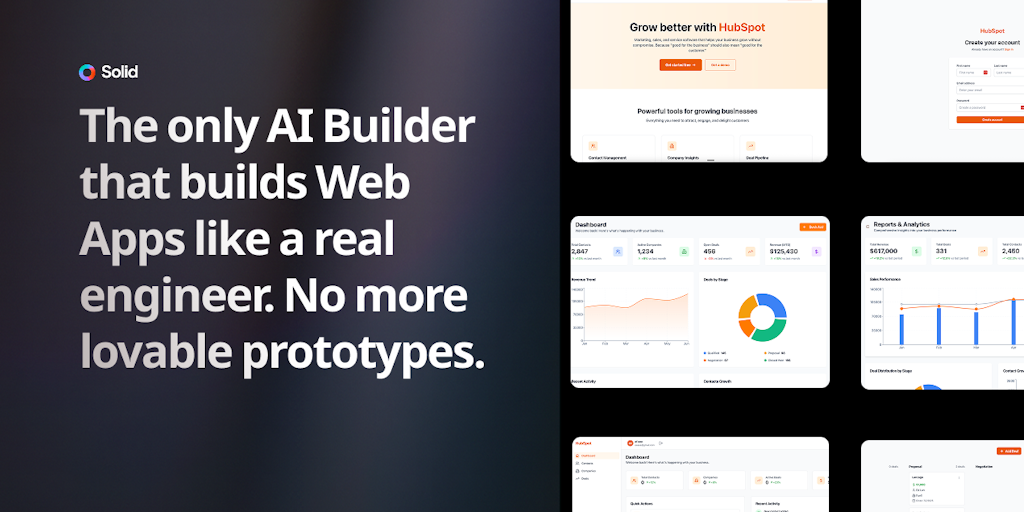
Solid AI Builder: Production-Ready Web Application Development Platform
Unlike Lovable and other prototyping tools, Solid builds real full-stack web apps (Node.js, React, TypeScript). Production-grade code you ca
Product Hunt·10mo ago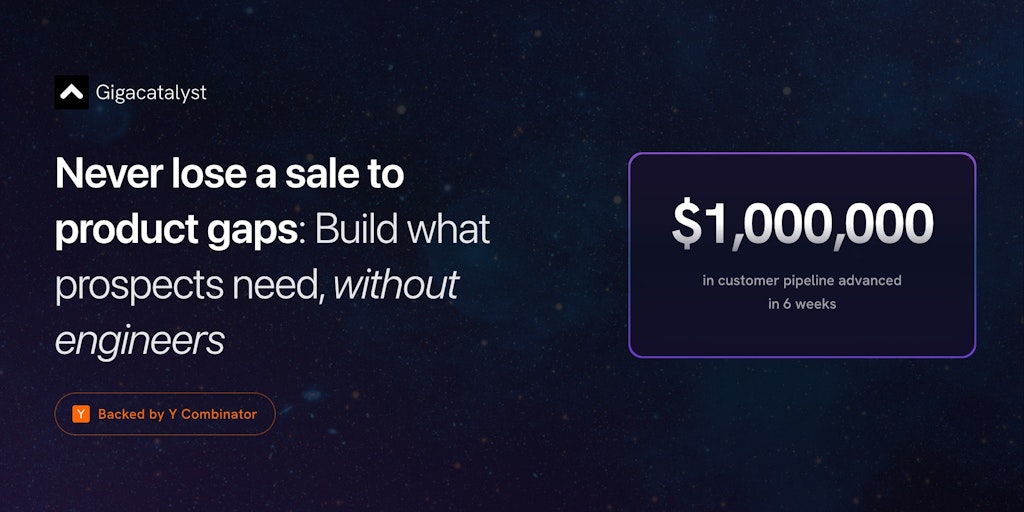
Gigacatalyst Launches AI Tool That Lets Sales Teams Build Custom SaaS Features Without Engineering Help
Gigacatalyst.com's AI builder learns your APIs and embeds in your product, so your sales and CS teams can build missing features that custom
Product Hunt·1mo ago
How far should API definition languages go?
I had the pleasure of writing an article for Nordic APIs on Web API definition languages. If you’re into the world of Web APIs, you’ve proba
Comments
Sign in to join the conversation.
No comments yet. Be the first.