

























Sony Removes PC Releases From First-Party Strategy, Signaling Return to PlayStation Exclusivity for Single-Player Games
By
Tom Phillips
Summary
Sony has officially removed PC from its first-party launch strategy in a new SEC filing, signaling a shift away from releasing single-player PlayStation games on PC. This confirms earlier reports that PlayStation is backing away from multiplatform PC releases for its single-player titles, marking a strategic reversal from previous plans to bring first-party games to PC.
Source

 bskySony Removes PC Releases From First-Party Strategy, Signaling Return to PlayStation Exclusivity for Single-Player Gamesign.com
Key quotes
· 3 pulledThe change, picked up from Sony's latest 229-page filing to the U.S Securities and Exchange Commission by Game File, is the clearest sign yet of what has previously been reported — that PlayStation is backing away from launching its first-party games on PC, at least when they're single-player.
PC no longer described as part of the company's first-party launch focus.
Bloomberg reporter Jason Schreier relayed comments from an internal meeting chaired by
You might also wanna read


PlayStation Delists Destruction AllStars and Shuts Down Servers Without Prior Notice
PlayStation has unexpectedly delisted Destruction AllStars and shut down its online servers without prior notice. The live-service game, whi
ign.com·25d ago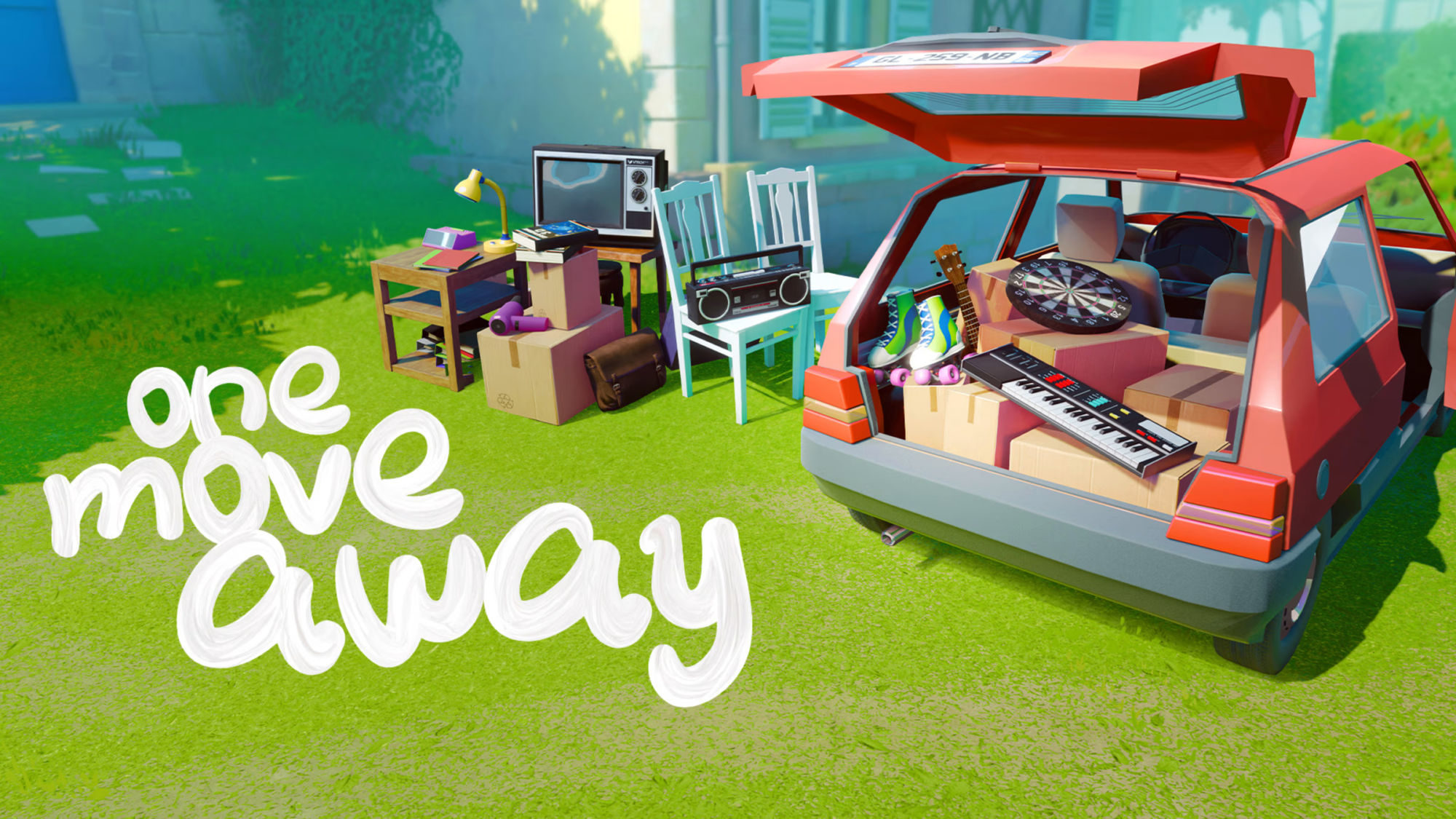
One Move Away First-Person Puzzle Game Launches on PC and Consoles May 28
Ramage Games and Playstack have announced that their first-person 3D puzzle game, One Move Away, will launch on PC and consoles on May 28. T

Stellar Blade Release Date on PC
Stellar Blade, a former PlayStation 5-exclusive action game, is releasing on Windows PC this week after more than a year of exclusivity. The
polygon·1y ago
The 25 best PlayStation 5 games
Highlights from Sony's State of Play Showcase
Sony's State of Play showcase featured updates on PlayStation 5 games like Pragmata and Silent Hill, along with surprise game announcements
polygon·1y agoNintendo's Strategy in the Gaming Market: Focus on Attention, Not Console Wars
The article discusses the launch of the Nintendo Switch 2 and compares its game lineup to that of the PlayStation 5. It questions whether on
polygon·11mo ago