





















Simplified TCP Hole Punching Algorithm for Testing Connectivity Behind NAT Routers
By
Uptrenda

Hot, fresh, and worth queueing round the block for.
Summary
The article discusses TCP hole punching, a technique for connecting computers behind NAT routers, and introduces a simplified testing approach. It explains that traditional TCP hole punching requires complex infrastructure including STUN for WAN IP lookup, NAT type enumeration, port prediction, NTP time synchronization, and metadata exchange via a channel. The author proposes a more elegant algorithm that focuses on testing the core punching mechanism without the overhead of all supporting infrastructure, making it easier to validate whether the punching algorithm works effectively.
Key quotes
· 4 pulledTCP hole punching is a way to connect two computers behind NAT routers. The technique has a lot of requirements to work.
In practice this collapses to using STUN to lookup the WAN IP, doing NAT type enumeration and port prediction, synchronizing time with NTP, and having both sides exchange all the needed meta data (WAN IP, port predictions, future NTP punch time) via some 'channel.'
That involves a whole list of infrastructure and code to work – which is complex and error-prone.
What if you just wanted to test whether your punching algorithm works? You don't care about every other part of the infrastructure.
You might also wanna read

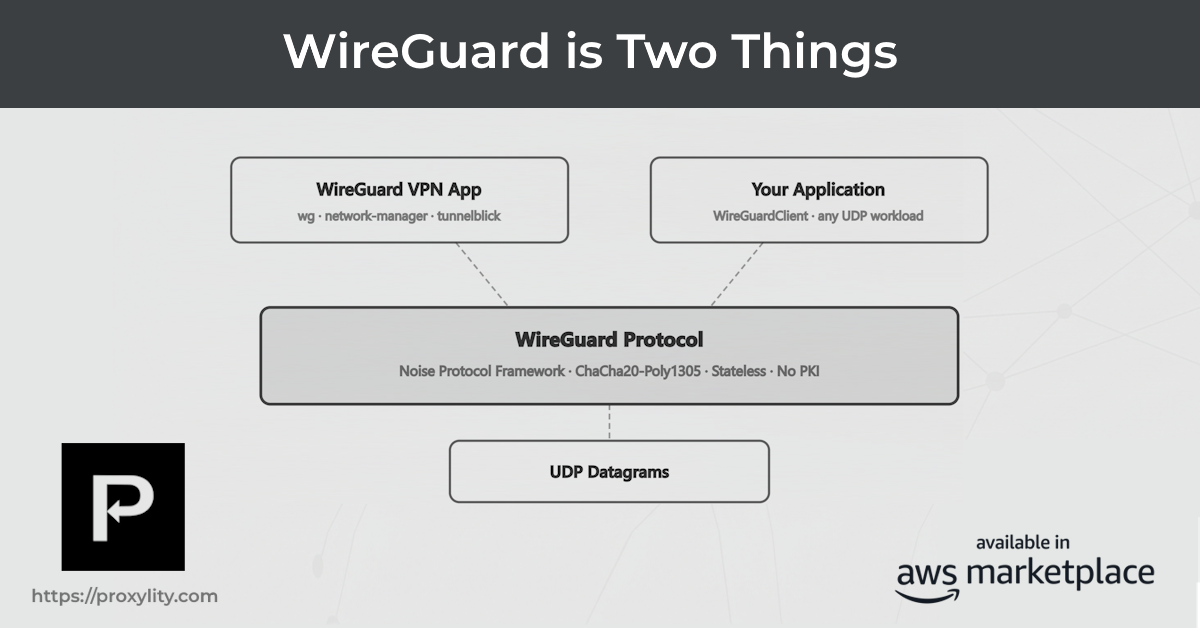
WireGuard's Dual Role: VPN Application and Lightweight Cryptographic Protocol
The article explains that WireGuard serves two distinct purposes: as a VPN application and as a lightweight cryptographic protocol. While mo

QtNat: A C++ Library for Simplified NAT Port Mapping with UPnP and Qt 6
QtNat is a lightweight C++ library built with Qt 6 that simplifies NAT port mapping using UPnP (Universal Plug and Play). The library enable
libwifi: A C Library for 802.11 WiFi Frame Parsing and Generation
libwifi is a C library for parsing and generating 802.11 WiFi frames, providing functions and structs to simplify working with WiFi packet d
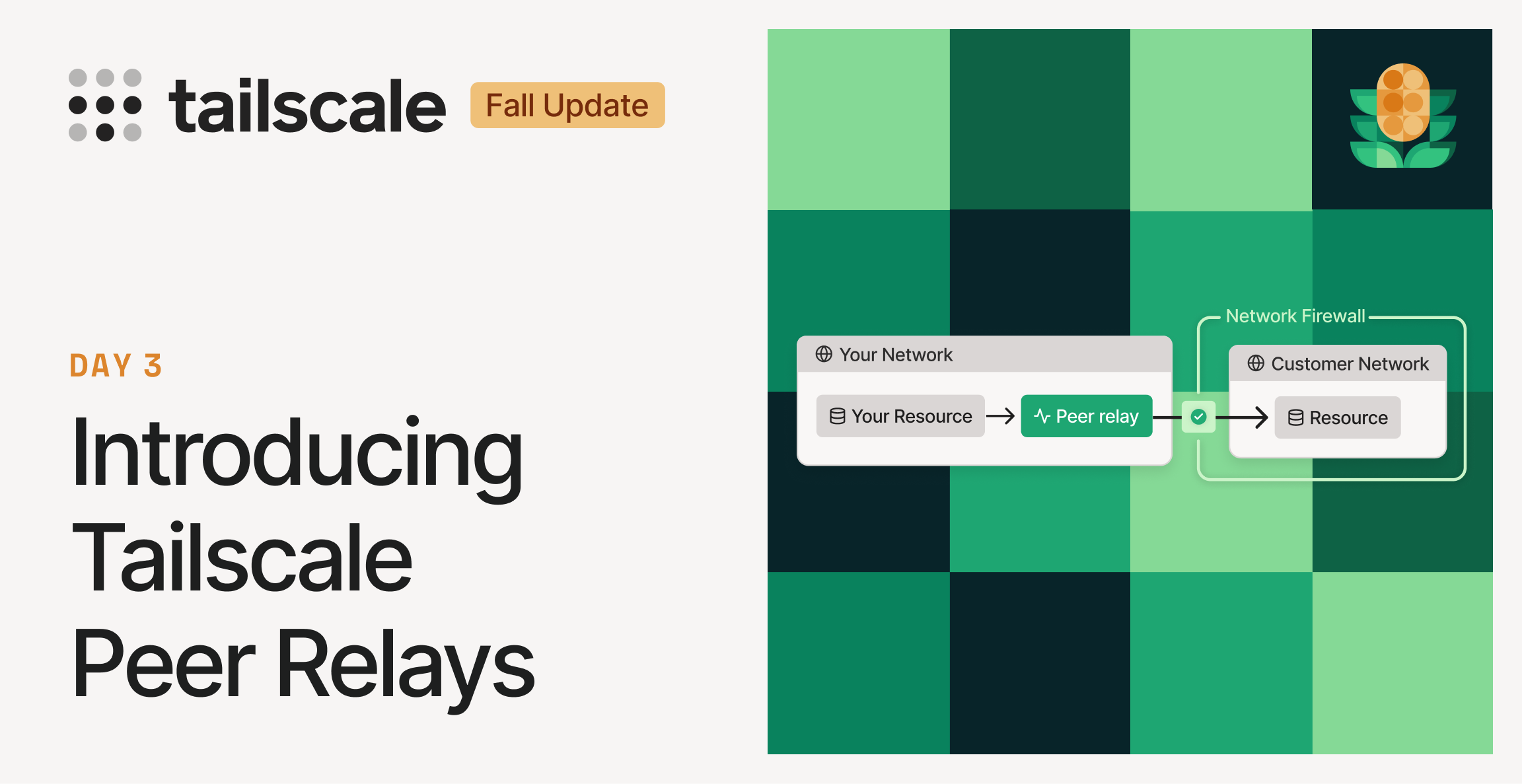
Tailscale Announces Public Availability of Customer-Managed Peer Relays
Tailscale announces public availability of Peer Relays, a customer-deployed and managed traffic relaying mechanism that allows Tailscale nod
 tailscale.com·7mo ago
F-Stack: High-Performance Network Framework Using DPDK for Kernel Bypass
F-Stack is a high-performance network framework based on DPDK (Data Plane Development Kit) that addresses the bottleneck of Linux kernel pac
 f-stack.org·9mo ago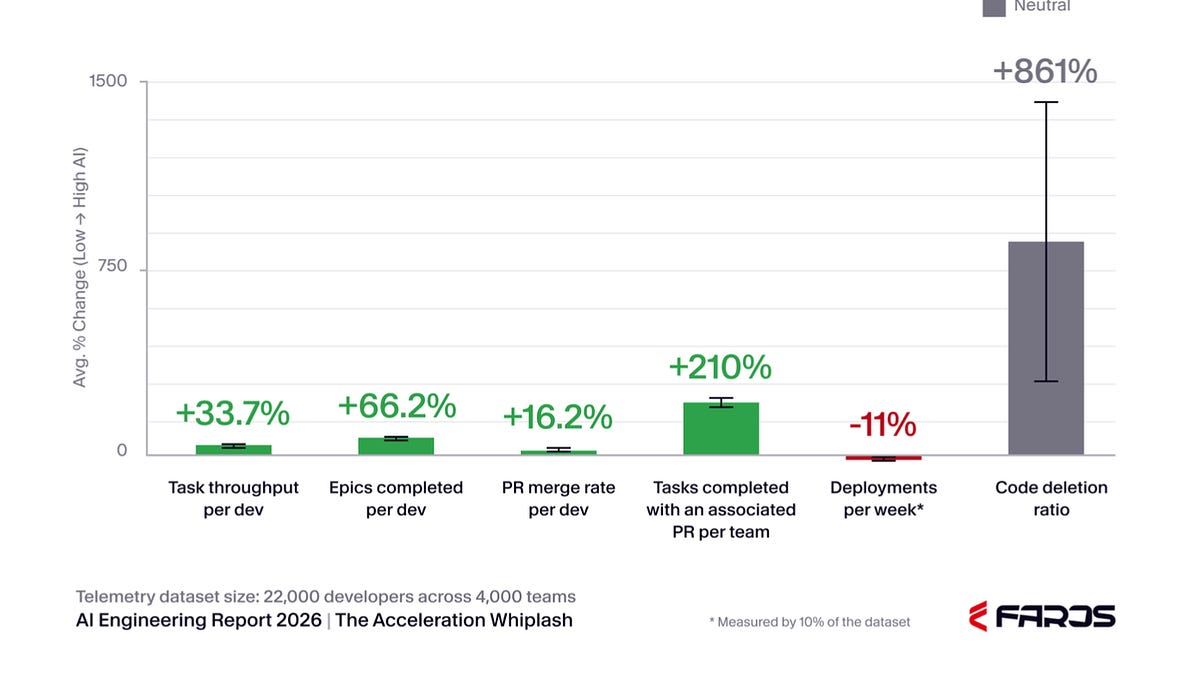
Why Average LLM Use Is Likely Destroying Value in Software Development
The author argues that, contrary to prevailing hype, the average use of Large Language Models (LLMs) is likely destroying value rather than
 unessays.substack.com·15h ago