





















F-Stack: High-Performance Network Framework Using DPDK for Kernel Bypass
By
anon6362

You can taste the rush. The dough hadn't risen.
Summary
F-Stack is a high-performance network framework based on DPDK (Data Plane Development Kit) that addresses the bottleneck of Linux kernel packet processing. It implements kernel bypass technology where Linux handles control flow while all data streams are processed in user space, enabling significantly higher network performance. The framework is designed to meet the demands of modern internet applications that require efficient network processing capabilities.
Key quotes
· 4 pulledWith the rapid development of NIC, the poor performance of data packets processing with Linux kernel has become the bottleneck.
The main idea of kernel bypass is that Linux is only used to deal with control flow, all data streams are processed in user space.
There are various similar technologies appear, such as DPDK, NETMAP and PF_RING.
The rapid development of the Internet needs high performance of network processing, kernel bypass has caught more and more attention.
You might also wanna read
Simplified TCP Hole Punching Algorithm for Testing Connectivity Behind NAT Routers
The article discusses TCP hole punching, a technique for connecting computers behind NAT routers, and introduces a simplified testing approa

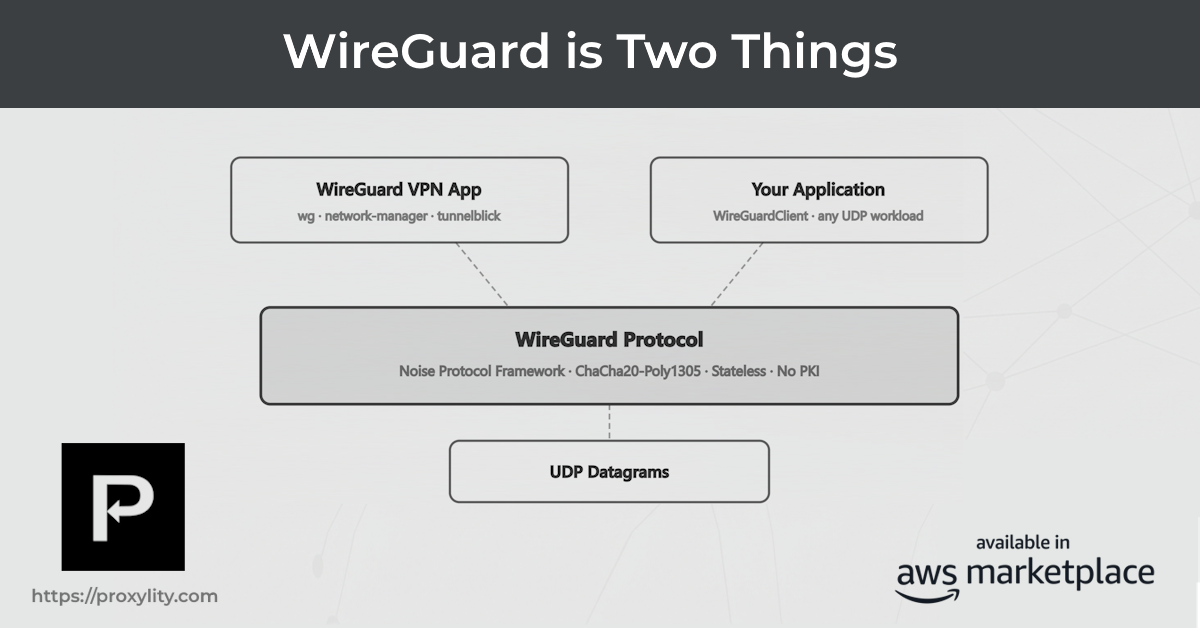
WireGuard's Dual Role: VPN Application and Lightweight Cryptographic Protocol
The article explains that WireGuard serves two distinct purposes: as a VPN application and as a lightweight cryptographic protocol. While mo

QtNat: A C++ Library for Simplified NAT Port Mapping with UPnP and Qt 6
QtNat is a lightweight C++ library built with Qt 6 that simplifies NAT port mapping using UPnP (Universal Plug and Play). The library enable
libwifi: A C Library for 802.11 WiFi Frame Parsing and Generation
libwifi is a C library for parsing and generating 802.11 WiFi frames, providing functions and structs to simplify working with WiFi packet d
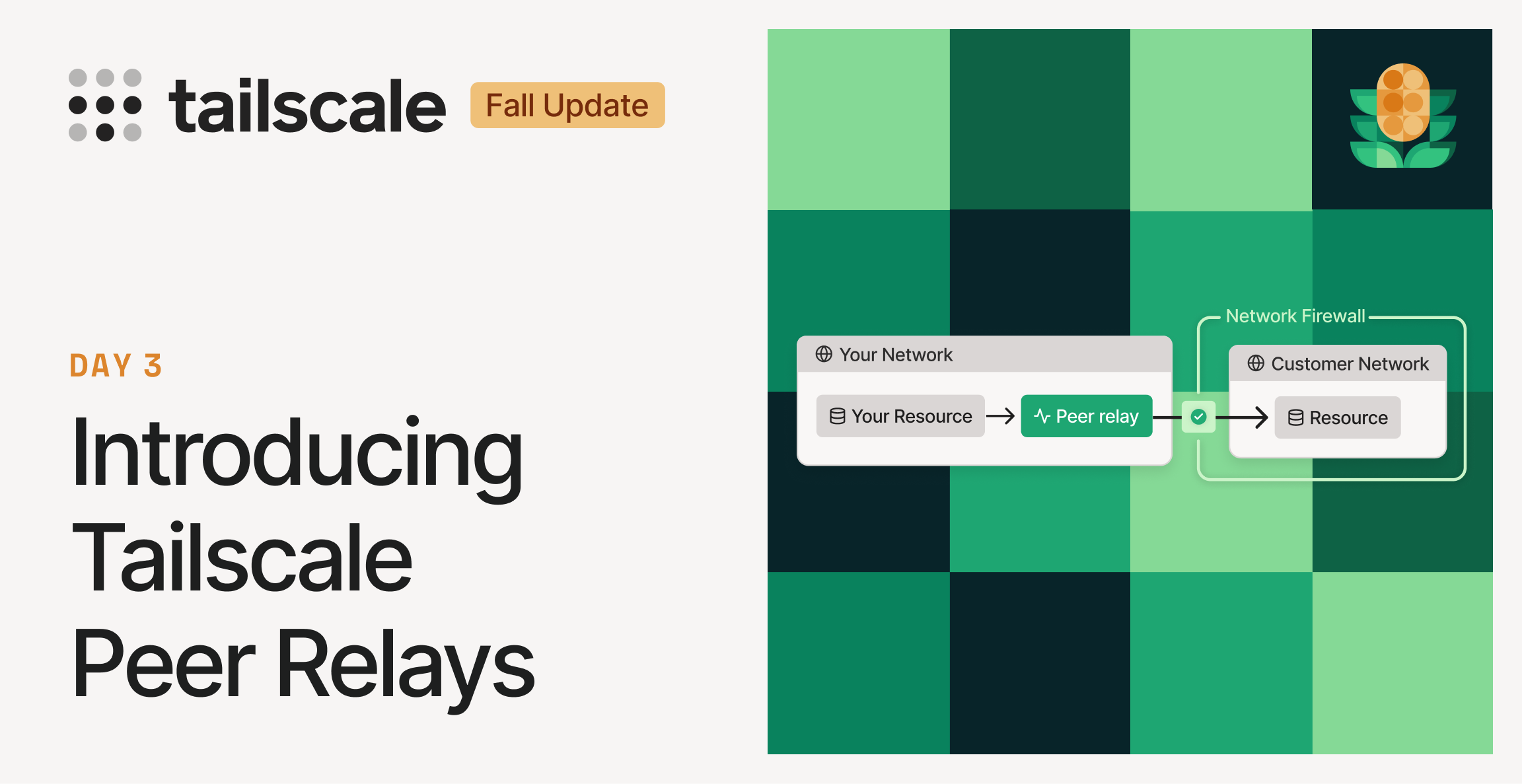
Tailscale Announces Public Availability of Customer-Managed Peer Relays
Tailscale announces public availability of Peer Relays, a customer-deployed and managed traffic relaying mechanism that allows Tailscale nod
 tailscale.com·7mo ago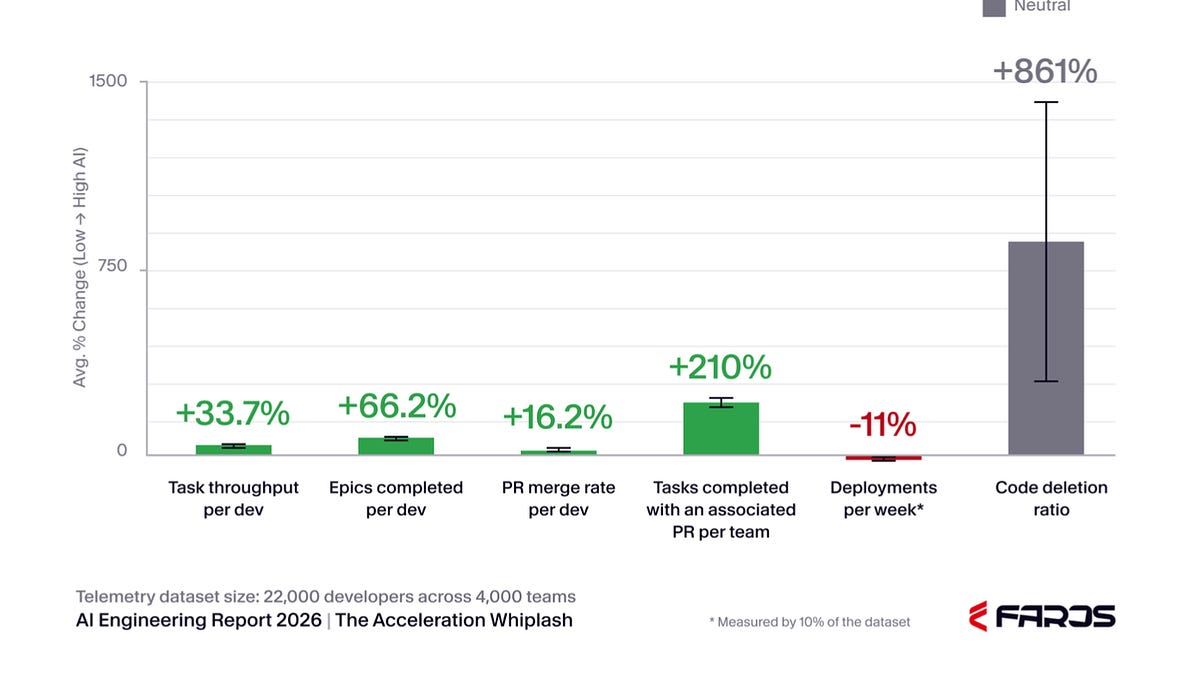
Why Average LLM Use Is Likely Destroying Value in Software Development
The author argues that, contrary to prevailing hype, the average use of Large Language Models (LLMs) is likely destroying value rather than
 unessays.substack.com·11h ago