
























Why Silicon Valley should bridge the divide between technology and religion
This article argues that Silicon Valley and the tech industry need to embrace religious and moral frameworks, using Pope Leo XIV's encyclical on digital technology (Magnifica Humanitas) as a starting point. The author contends that bridging the divide between technology and religion is both principled and practical, and that tech must reorient towards moral purpose for both itself and humanity to flourish in the age of AI.
Key quotes
Silicon Valley's atheist critics complained that the Holy Father had missed a chance to humble humanity before artificial superintelligence.
Yet in the document is something more useful: an opening between technology and religion that may be society's best hope in the age of AI.
The case for bridging the divide is both principled and practical; spiritual and secular.
Tech must reorient towards moral purpose for it—and humankind—to flourish, argues Glen Weyl.
From the article
You might also wanna read

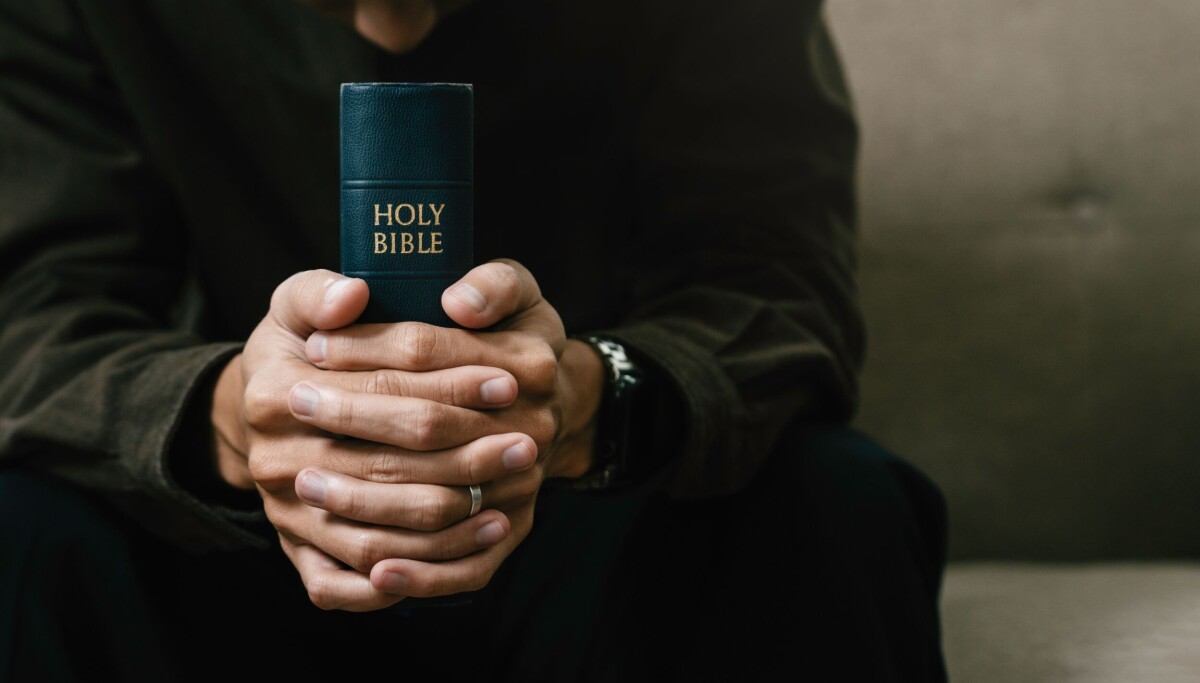
AI and religion intersect: Papal encyclical and university study critique unguided AI disruption
This opinion piece examines the intersection of AI and religion through two recent developments: Pope Leo XIV's encyclical "Magnifica Humani
 theregister.com·1mo ago
AI and religion intersect: Papal encyclical and university study critique unguided AI disruption
This opinion piece examines the intersection of AI and religion through two recent developments: Pope Leo XIV's encyclical "Magnifica Humani
theregister.com·1mo ago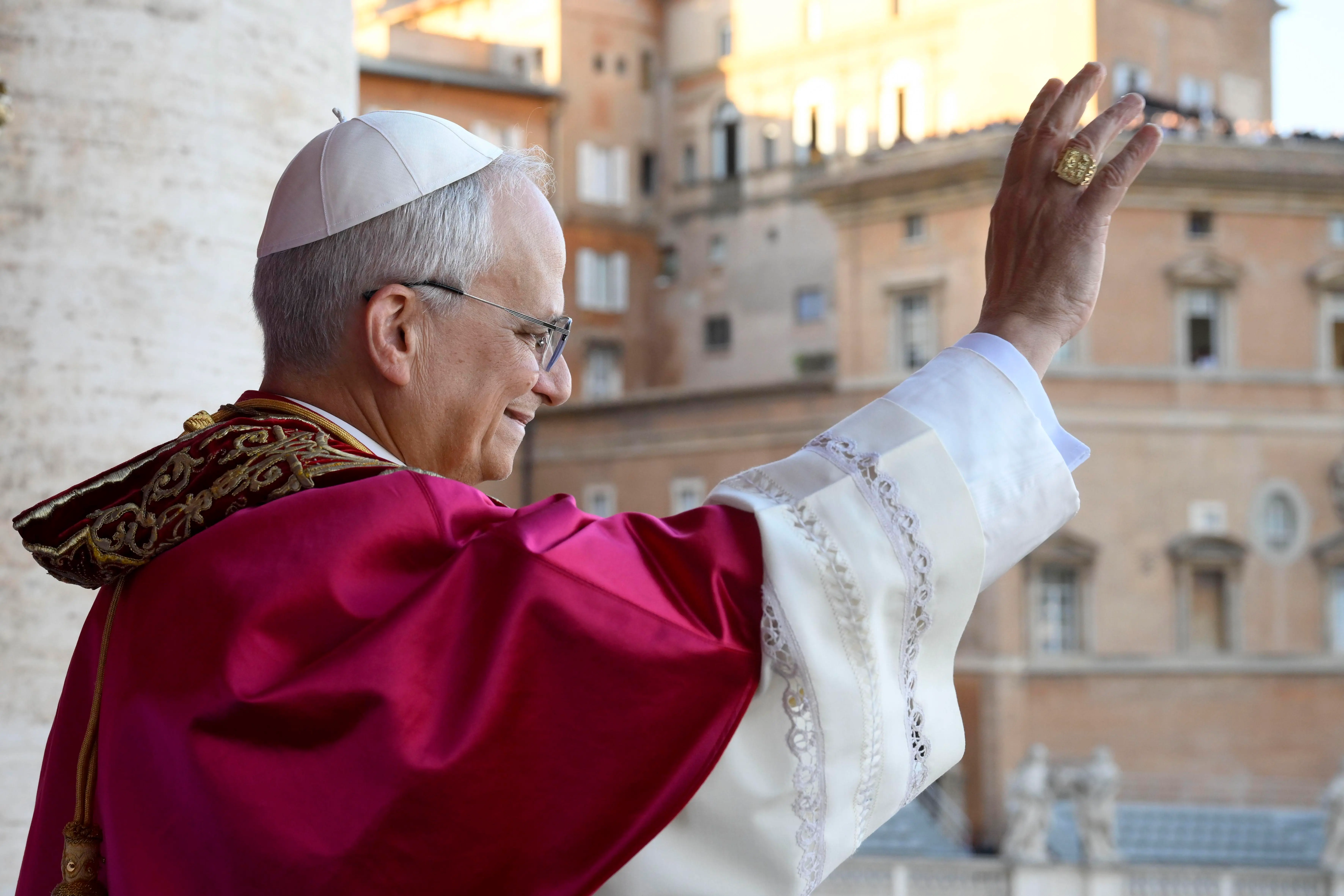
Pope Leo XIV's AI encyclical warns of societal risks, draws mixed tech industry reactions
Pope Leo XIV released an encyclical letter titled Magnifica Humanitas addressing the societal implications of artificial intelligence. The l
 The Verge·1mo ago
Pope Leo XIV's first encyclical warns of AI risks and calls for human-centered technology governance
Pope Leo XIV's first major papal encyclical, Magnifica Humanitas, addresses the risks of artificial intelligence and unconstrained technolog
The Verge·1mo ago
Comments
Sign in to join the conversation.
No comments yet. Be the first.