





















Crystalline silicon-on-sapphire metasurfaces enable scalable arrays of optical traps for neutral atoms
By
[Submitted on 3 Jan 2026 (v1), last revised 26 May 2026 (this version, v2)]

Hand-rolled, kettle-boiled, baked to perfection. Worth every minute at the bakery.
Summary
Researchers demonstrated crystalline silicon-on-sapphire (c-SOS) metasurfaces that convert a Gaussian laser beam into arrays of complex optical traps for neutral atoms, including both bright tweezer arrays and dark optical bottle beams. The metasurfaces leverage silicon's high refractive index and indirect band gap for near-infrared operation, are CMOS-compatible for scalable manufacturing, and use a modified Gerchberg-Saxton algorithm to optimize trap uniformity. Compared to spatial light modulators (SLMs), these metasurfaces offer indefinitely scalable pixels, smaller form factor, and reduced dynamic noise.
Key quotes
· 3 pulledWe demonstrated crystalline silicon-on-sapphire (c-SOS) metasurfaces that convert a Gaussian beam into arrays of complex optical traps, including arrays of optical bottle beams that trap atoms in dark regions interleaved with bright tweezer arrays.
Compared with active components like spatial light modulators (SLMs) that have become widely used to generate trap arrays, metasurfaces provide an indefinitely scalable number of pixels, enabling large arrays of complex traps in a very small form factor, as well as reduced dynamic noise.
To design metasurfaces that can generate three-dimensional bottle beams to serve as dark traps, we modified the Gerchberg-Saxton algorithm to enforce complex-amplitude profiles at the focal plane of the metasurface and to optimize the uniformity of the traps across the array.
You might also wanna read


First demonstration of two tunable squeezed-light sources on a single thin-film lithium niobate chip for quantum entanglement
Researchers demonstrate the fabrication of two indistinguishable and independently controllable optical parametric oscillators on a thin-fil
 arxiv.org·4d ago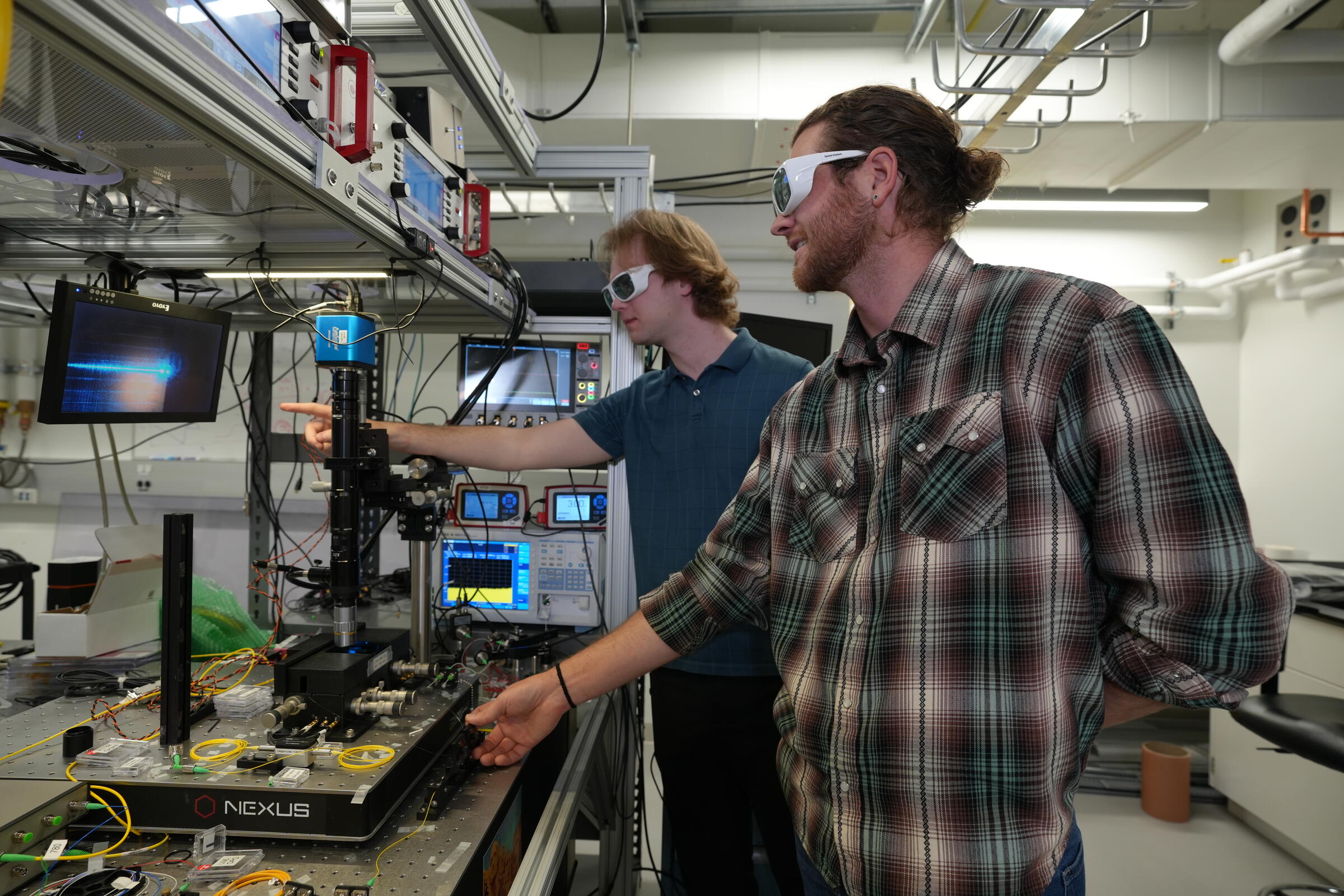
NIST Scientists Develop Integrated Photonic Circuits for Tunable Wavelength Lasers
NIST scientists and collaborators have developed a breakthrough method for creating integrated photonic circuits that can generate laser lig
 nist.gov·1mo ago
MEMS Photonics Chip Enables Control of Millions of Quantum Qubits with Laser Steering
Researchers from MITRE, MIT, University of Colorado Boulder, and Sandia National Laboratories have developed a MEMS (micro-electro-mechanica
 spectrum.ieee.org·1mo ago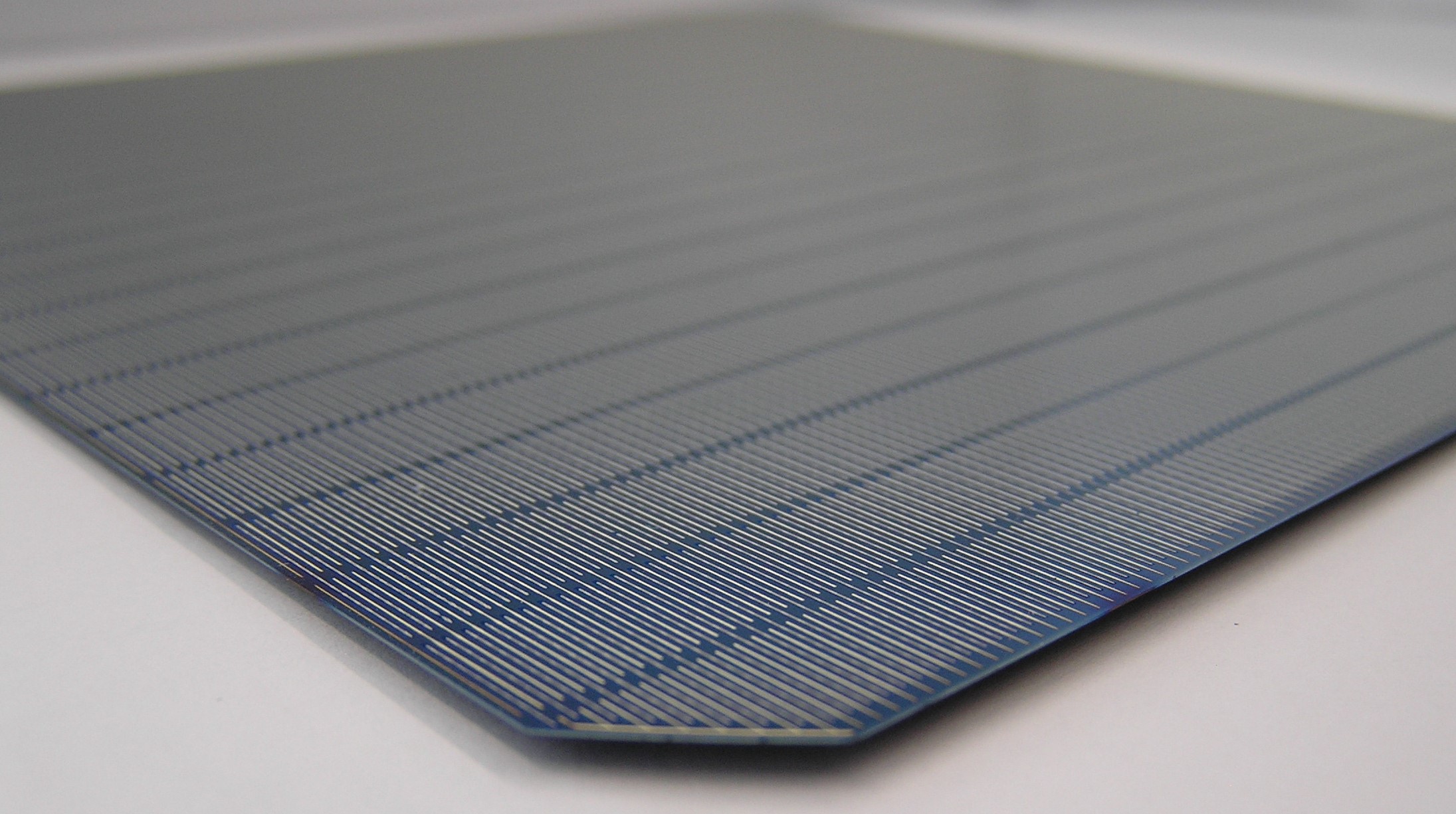
German study finds POLO back-junction solar cells more cost-effective than PERC technology in Europe
A German research team from the German Aerospace Center (DLR) conducted a techno-economic analysis of POLO back-junction (BJ) solar cells in
 pv-magazine.com·20m ago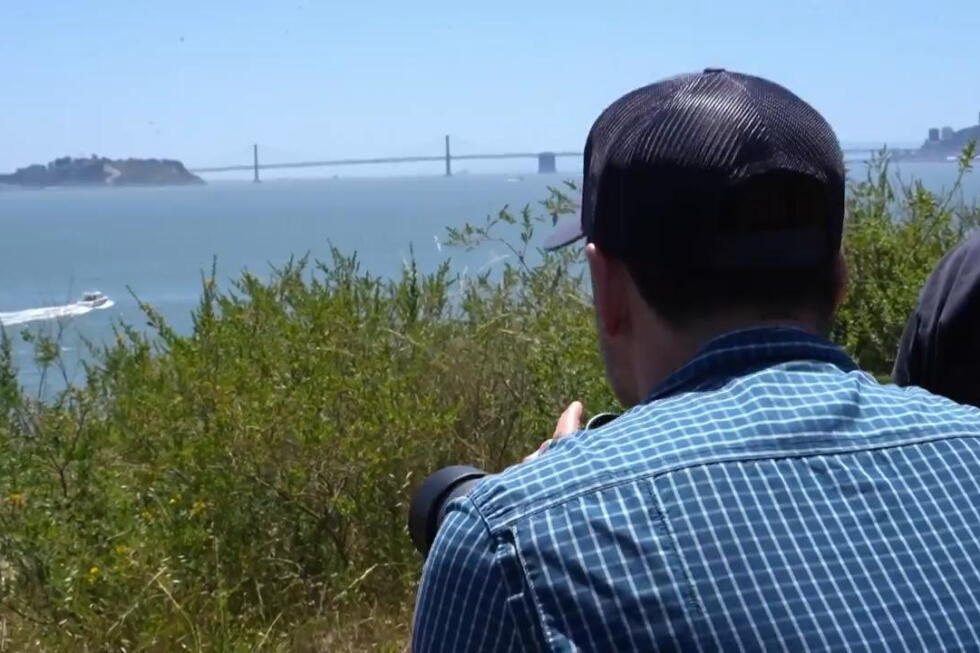
AI-powered whale detection system deployed in San Francisco Bay to prevent ship collisions
A new AI-powered whale detection system is being deployed in San Francisco Bay to prevent ship collisions with whales. The system uses under
 apnews.com·21m ago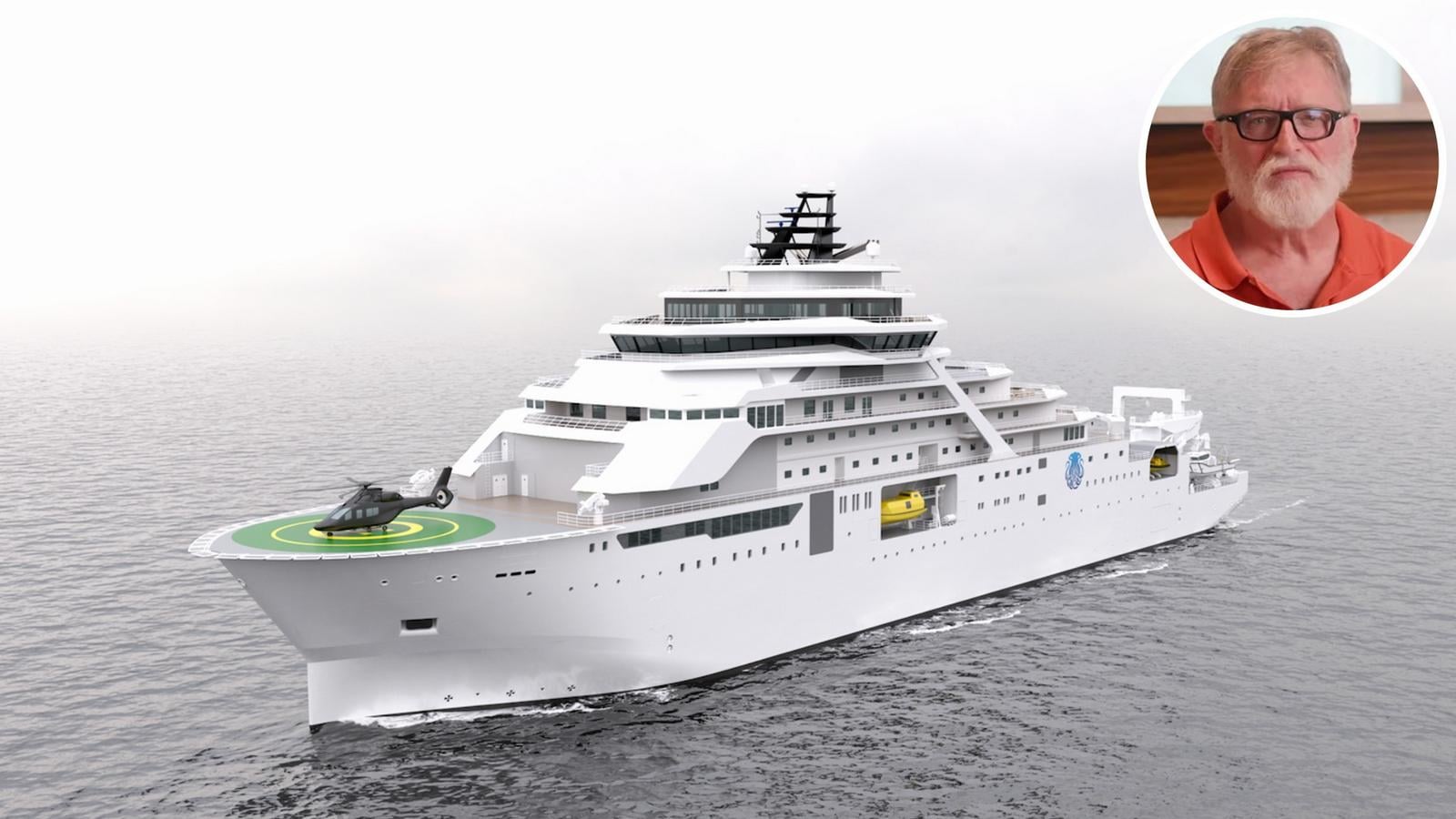
Gabe Newell funds $815 million deep-sea research vessel to explore uncharted ocean depths
Gabe Newell, billionaire co-founder of Valve and Steam, is funding the construction of the RV11000, a massive $815 million deep-sea research
 luxurylaunches.com·27m ago