
























Short but Challenging Novels: Exploring Difficult Literature in Compact Form
Novels that challenge with style, story, or form that you can read in a day.
Read the full articleYou might also wanna read

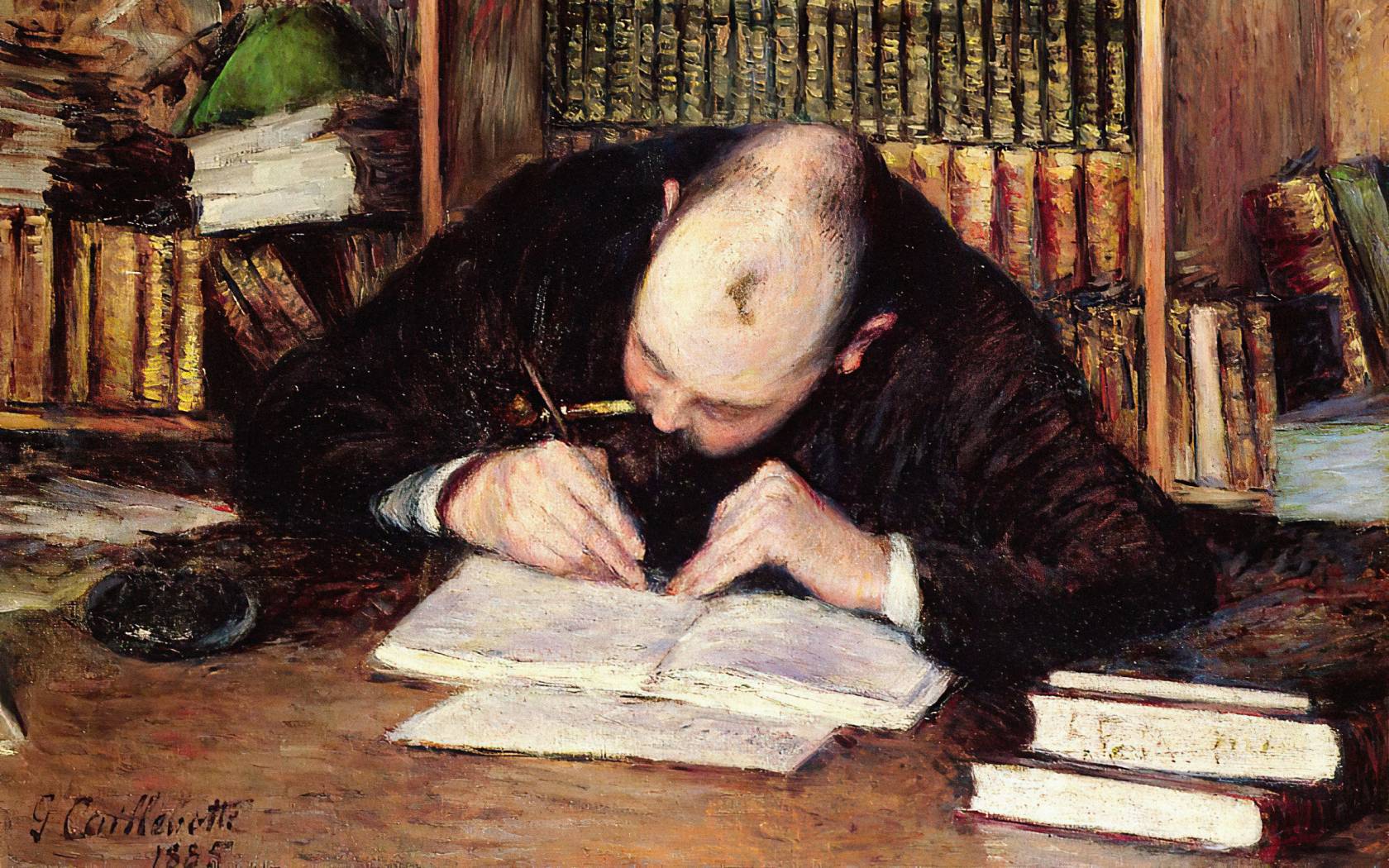
Why AI in literature threatens the essential struggle of writing
The encroachment of AI into literature is catastrophic for writers, not because of how bad its outputs are or how unoriginal it makes us, bu
 engelsbergideas.com·1mo ago
A Writer's Dilemma: Adapting to Word Limits in Creative Challenges
The Gift of a Thistle as a title for this week's Crimson’s Creative Challenge sprang out at me. The trouble was, the story in my head was no
 jemimapett.com·1mo ago
A former Booker Prize judge recommends 20 immersive books you can finish in one sitting
From novels by James Baldwin and Han Kang to a guide to quantum physics – a former Booker prize judge recommends immersive one-sitting wonde
 theguardian.com·5d ago
A former Booker Prize judge recommends 20 immersive books you can finish in one sitting
From novels by James Baldwin and Han Kang to a guide to quantum physics – a former Booker prize judge recommends immersive one-sitting wonde
The Guardian·5d ago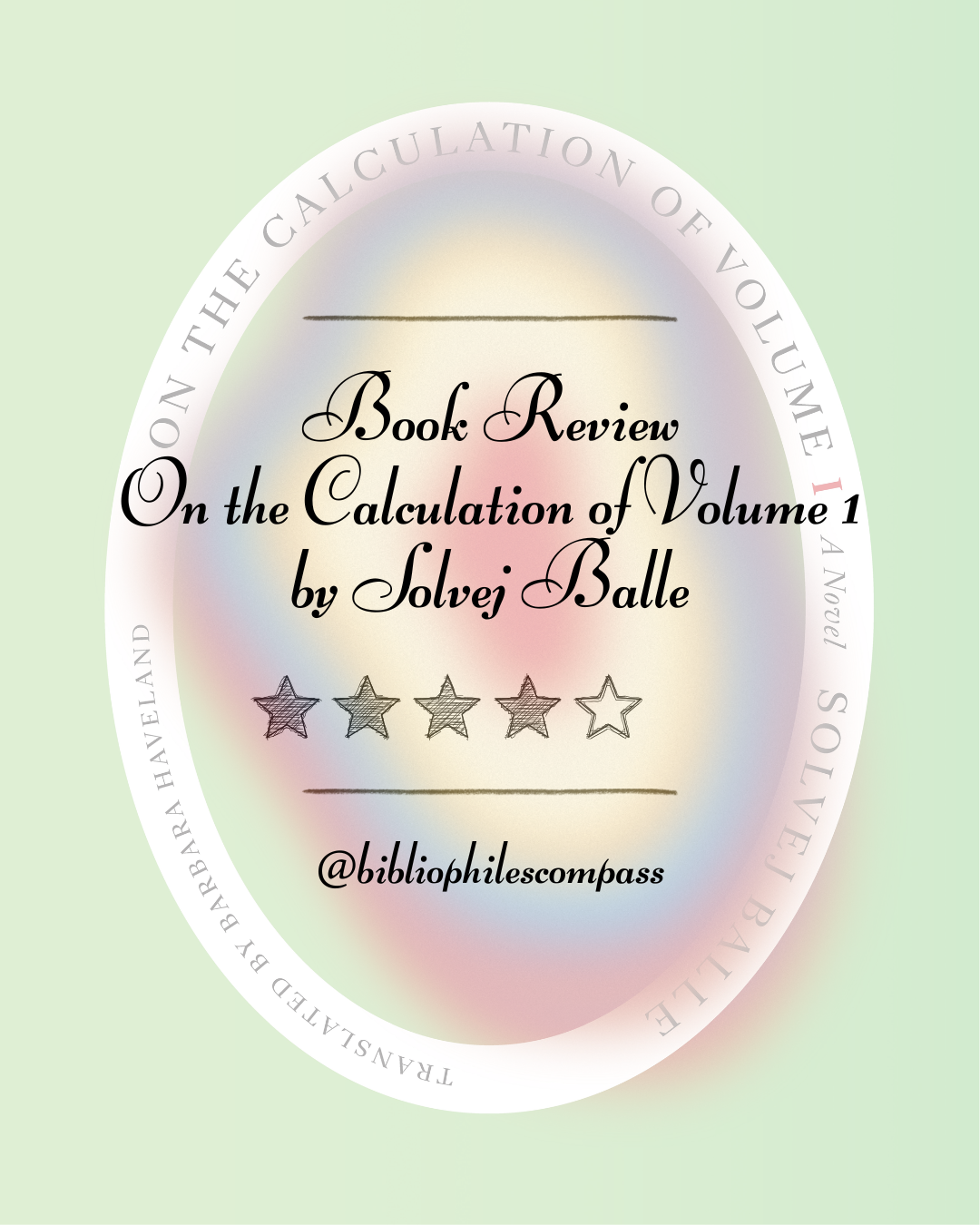
Review: Solvej Balle's "On the Calculation of Volume (Book I)" — A Compact, Prize-Winning Philosophical Novel
Title : On the Calculation of Volume (Book I) Author : Solvej Balle Publication Year : 2024 Rating : ⭐⭐⭐⭐ Pages : 176 Source : ebook G...
 bibliophilescompass.blogspot.com·23d ago
Hungarian Geographical Museum Launches Online Reading Challenge to Explore Distant Lands
The Hungarian Geographical Museum has launched an online reading challenge inviting participants to explore distant lands through travel lit
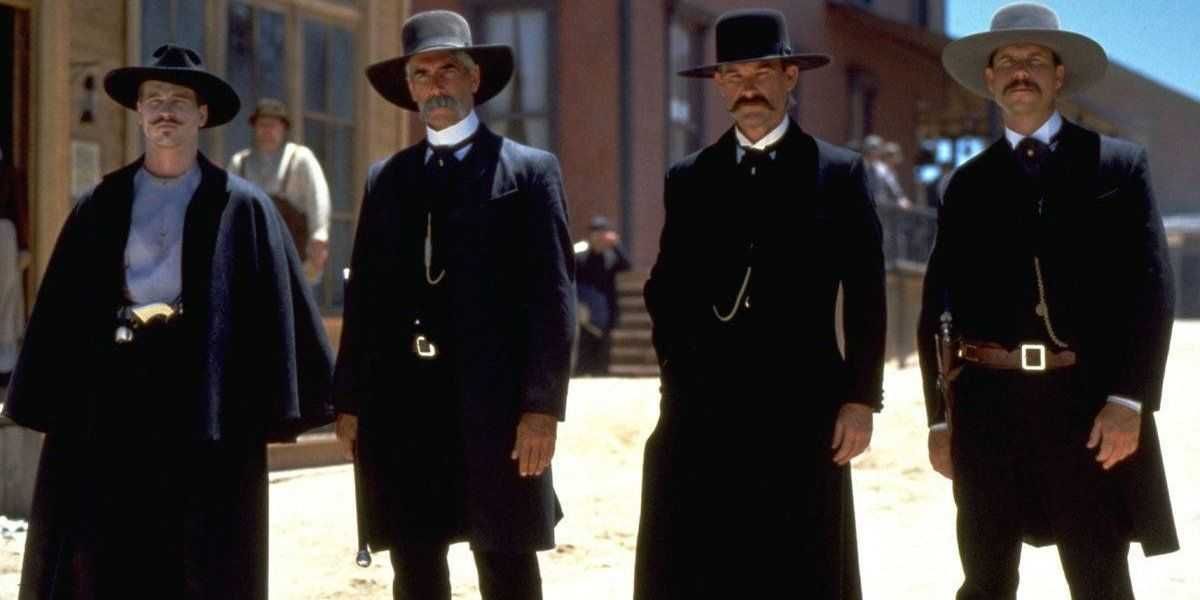
Crafting Big Scenes: The Writer's Challenge of Dialogue and Subtext
Theme and dialogue in this classic Western.
 nofilmschool.com·20d ago
Comments
Sign in to join the conversation.
No comments yet. Be the first.