
























The Shift Toward Prepay Prevention in Healthcare Payment Integrity
By
Guest Author
Summary
This guest article by Steve Sutherland, SVP Information Systems at CERIS, discusses the growing trend of "shifting upstream" in payment integrity within the healthcare insurance industry. Rather than focusing on recovering overpayments after claims are paid (a reactive, downstream approach), organizations are moving toward proactive prevention by detecting, validating, and making decisions earlier in the claims process—closer to claim intake and adjudication. The article argues that this prepay prevention model reduces costs, improves efficiency, and is becoming the new standard for payers and healthcare programs.
Source
 bskyThe Shift Toward Prepay Prevention in Healthcare Payment Integrityhealthcareittoday.com
Key quotes
· 3 pulledPayment integrity often lives at the end of the claims line, with teams measuring success by how much they can win back after payment.
That is why more organizations are now 'shifting upstream' in payment integrity.
This trend of shifting upstream or left means being proactive and moving detection, validation, and decisioning upstream, closer to claim intake and adjudication.
You might also wanna read


Experience Design Transforms Healthcare from Reactive Treatment to Proactive Care
The article discusses how healthcare is shifting from reactive treatment to proactive care through experience design. It highlights that 80-
 Creative Boom·9mo ago
CMS-1844-P, Home Health Fraud, and the Founder Opportunity: How Retroactive Revocations and Geographic Saturation Rules Turn Medicare Program Integrity Into a Buildable Market
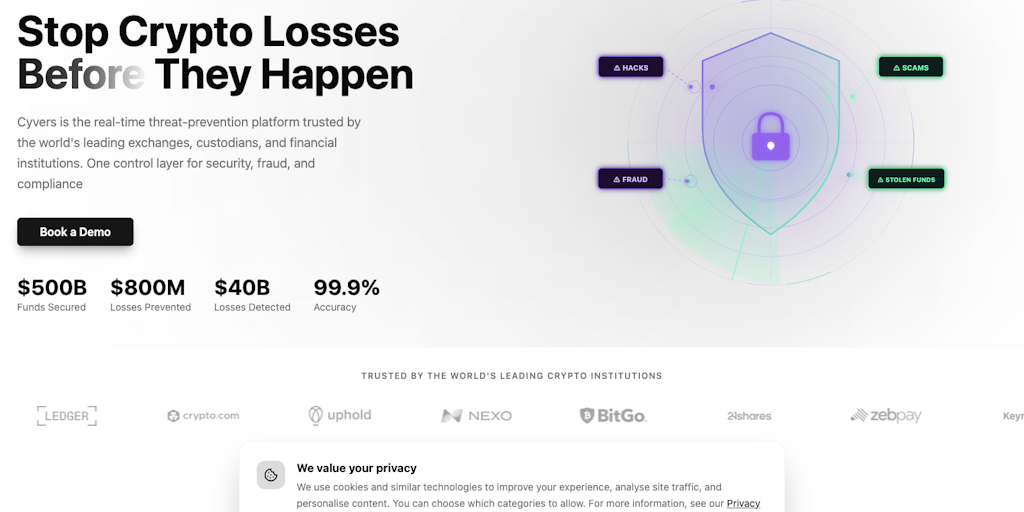
Cyvers launches pre-transaction threat prevention platform for institutional financial crime detection
Cyvers is launching a pre-transaction threat prevention layer on Product Hunt, designed to replace fragmented financial crime tools for inst
 Product Hunt·2mo ago
Insurance Companies' 'Downcoding' Practices Create Conflict with Healthcare Providers
This article examines the growing conflict between healthcare providers and insurance companies over 'downcoding' practices, where insurers
 nbcnews.com·9mo ago
PwC report finds AI is driving up healthcare costs by optimizing billing rather than cutting expenses
A PwC report reveals that AI, rather than cutting healthcare costs as anticipated, is being used to increase medical bills by finding more g
 fortune.com·23d ago
PwC report finds AI is driving up healthcare costs by optimizing billing rather than cutting expenses
A PwC report reveals that AI, rather than cutting healthcare costs as anticipated, is being used to increase medical bills by finding more g
fortune.com·23d ago
Comments
Sign in to join the conversation.
No comments yet. Be the first.