
























Shadow-Induced Warps in Protoplanetary Disks
Shangjia Zhang et al 2025 ApJL 995 L33 In simulations featuring an inner disk tilted by 30 degrees, the outer disk develops a thermally driven warp due to launching of bending waves, which drives a…
Read the full articleYou might also wanna read


Astronomical transients in 1950s Palomar plates validated through optical aberration analysis
The detection of fast astronomical transients in photographic plates from the Palomar sky surveys conducted in the 1950s, was subject to the
 arxiv.org·1mo ago
JWST/MIRI reveals young stellar objects and star formation in Centaurus A's warped dust disc
Centaurus A (Cen A), the nearest active radio galaxy, hosts a warped dust disc formed in a gas-rich merger. We present JWST/MIRI imaging in
arxiv.org·2d ago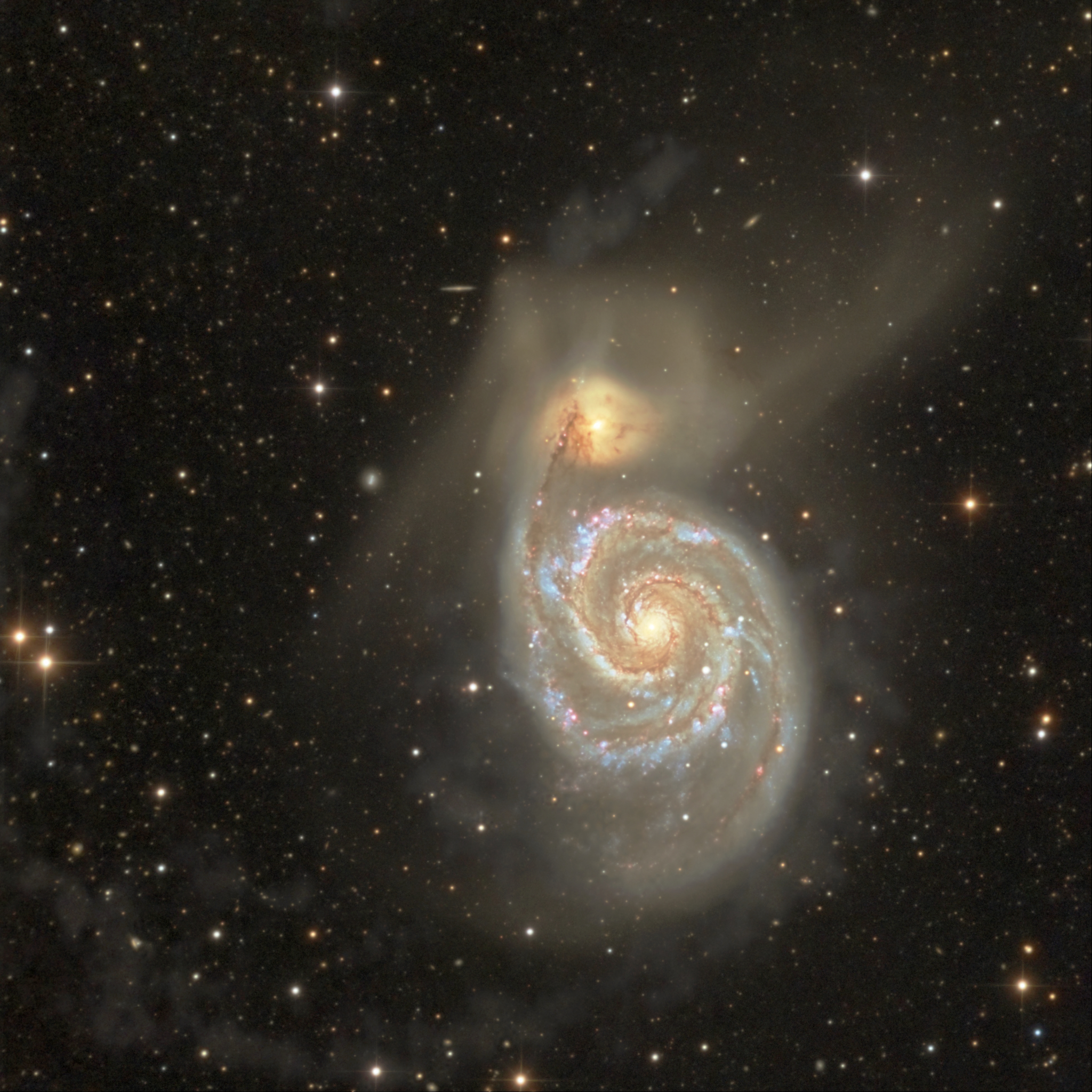
Study reveals how dark matter halo shape creates illusions in galactic tidal structures
Stream in to today’s paper to understand how tearing apart dwarf galaxies can reveal the shape of the dark matter haloes of hungry galaxies.
 astrobites.org·17d ago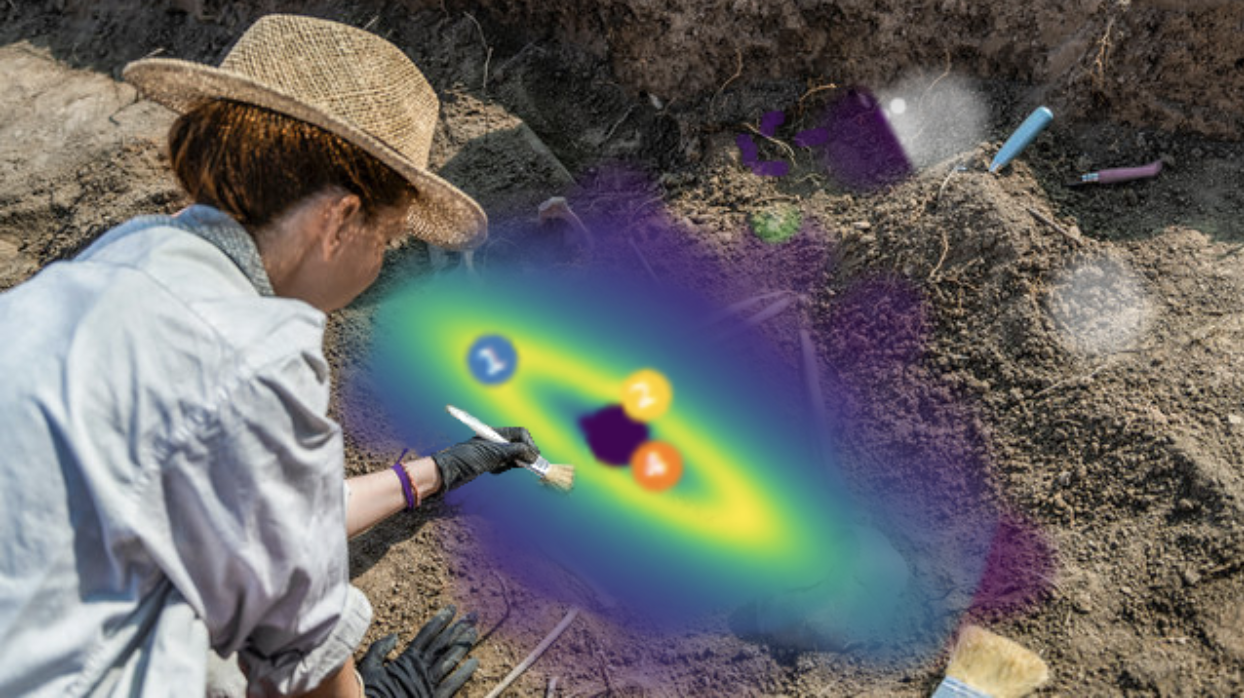
New imaging technique combines reference-star and angular differential imaging to reveal faint exoplanets and debris disks
What do astronomers and archaeologists have in common? Today's guest author discusses how faint exoplanet signals are extracted from their n
astrobites.org·16d ago
VLT Study Reveals Dramatic Nickel Emission and CN Outgassing in Interstellar Comet 3I/ATLAS
We report VLT spectroscopy of the interstellar comet 3I/ATLAS (C/2025 N1) from $r_{\rm h}\!\simeq\!4.4$ to $2.85$ au using X-shooter (300-55
arxiv.org·10mo agoNASA's TESS Just Managed Something No One Thought It Could: Spotting A Planet Warping Spacetime
TESS uses the transit method. When a planet passes in front of its stars, it dims the starlight by a small fraction. If this dimming repeats
Comments
Sign in to join the conversation.
No comments yet. Be the first.