
























Study disentangles intrinsic and extrinsic stomatal regulation mechanisms across varying soil conditions
By
Ibrahim Bourbia
Summary
This scientific article investigates the mechanisms of stomatal control in plants, specifically focusing on separating intrinsic (internal/physiological) from extrinsic (environmental) factors that regulate stomatal aperture across different soil types. The research examines how stomata balance water loss (transpiration) with carbon uptake, and how this regulation varies depending on soil conditions. The study uses time series data including diurnal variation in vapour pressure deficit (VPD), precipitation, and in situ needle water potential measurements to understand these dynamics.
Source

 bskyStudy disentangles intrinsic and extrinsic stomatal regulation mechanisms across varying soil conditionsdoi.org
Key quotes
· 2 pulledStomata dynamically regulate transpirational water loss and carbon uptake by adjusting their aperture in response to environmental stimuli, playing a key role in determining terrestrial productivity and the water cycle
By controlling transpiration, stomata also play a central role in maintaining plant water potential within functional limits, preventing it from dropping to levels that could cause xylem cavitation and plant damage under conditions of water stress
You might also wanna read

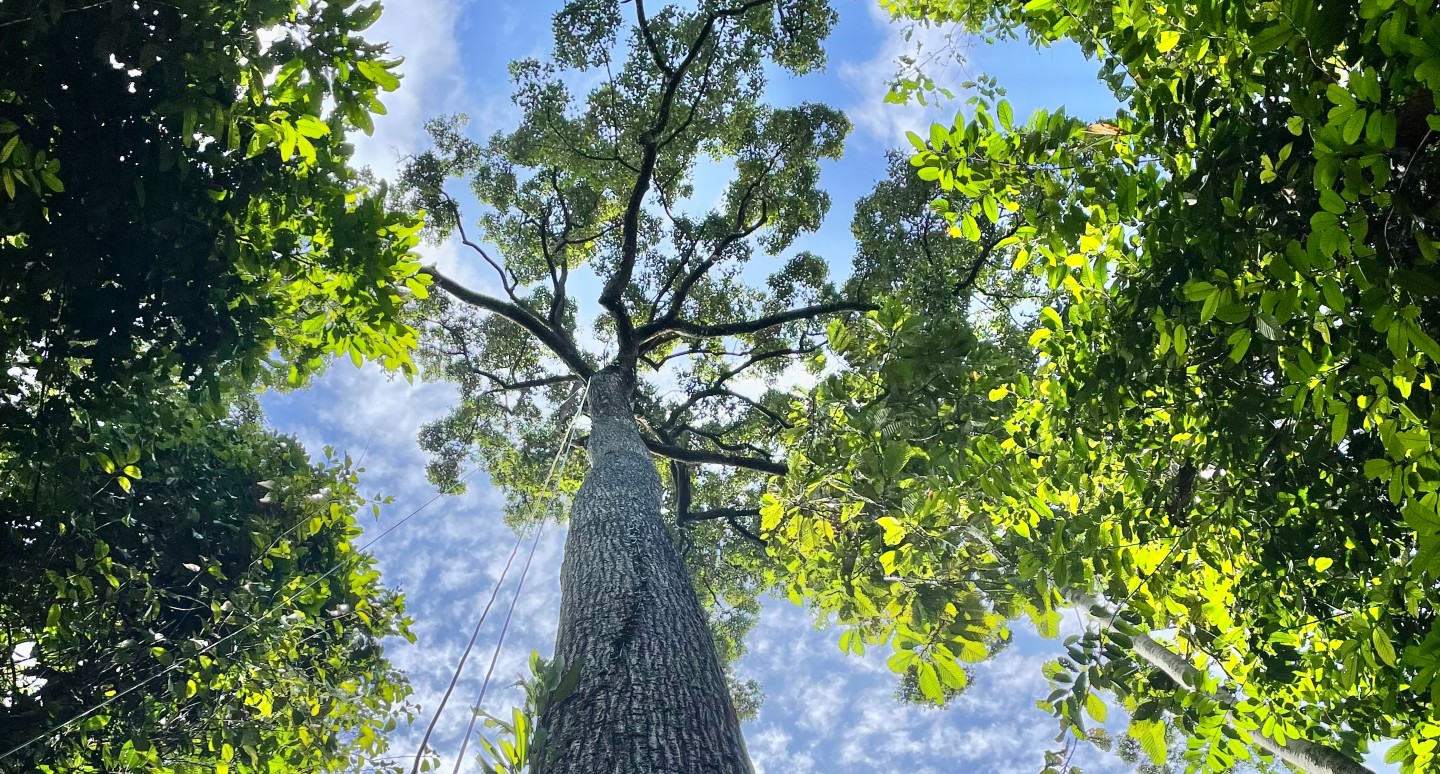
Study finds giant tropical trees compensate for height-related water transport challenges
New research led by the University of Exeter and Cardiff University, published in the journal Science, challenges conventional scientific th
 news.exeter.ac.uk·4d ago
Redirecting

Earthquake Monitoring Techniques Reveal How Tilling Reduces Soil Water Retention
University of Washington researchers conducted an innovative study using earthquake monitoring techniques to examine how tilling affects soi
 washington.edu·3mo ago
Researchers uncover the inside story on plant organ growth

Study reveals cell wall softening, not water movement, drives Venus flytrap closure
The Venus flytrap's rapid trap closure (under one second) has been traditionally explained by water movement across cells releasing elastic
 scim.ag·18d ago
Comments
Sign in to join the conversation.
No comments yet. Be the first.