
























Selections from 2025: Pinpointing a Bright Fast Radio Burst with CHIME
Astronomers have traced a bright, seemingly one-off fast radio burst to a galaxy 130 million light-years away. The post Selections from 2025: Pinpointing a Bright Fast Radio Burst with CHIME appeared…
Read the full articleYou might also wanna read
Untitled
🌌 🧪 For two decades now, #astronomers have been recording short-lived extremely energetic radio signals dubbed fast radio bursts. ✍🏼 New

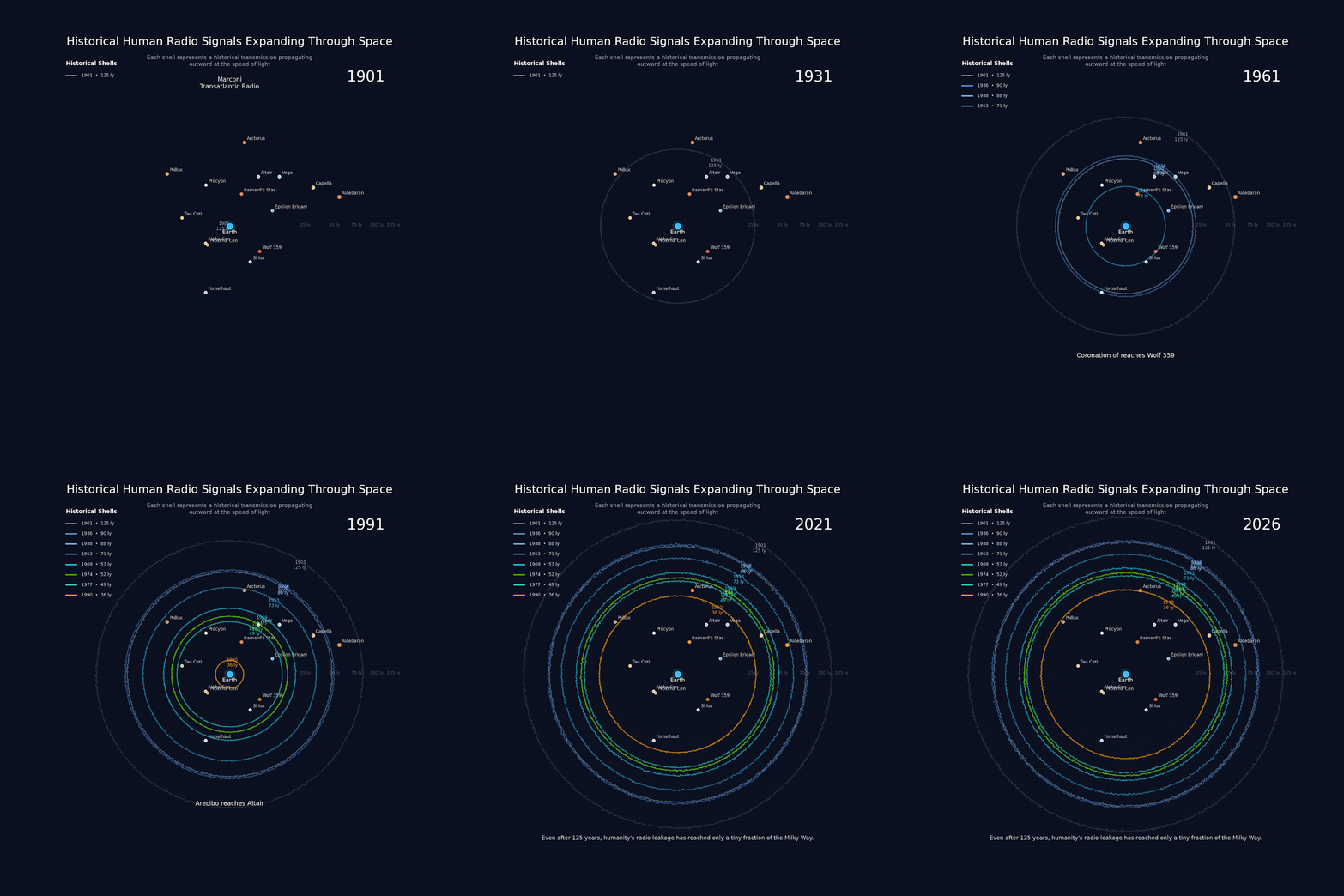
Earth's Expanding Radio Bubble: How Humanity's Signals Are Reaching the Cosmos
Right now, a sphere of electromagnetic radiation is expanding outward from Earth at the speed of light. It has been growing since the...
 thescientificdrop.com·1mo ago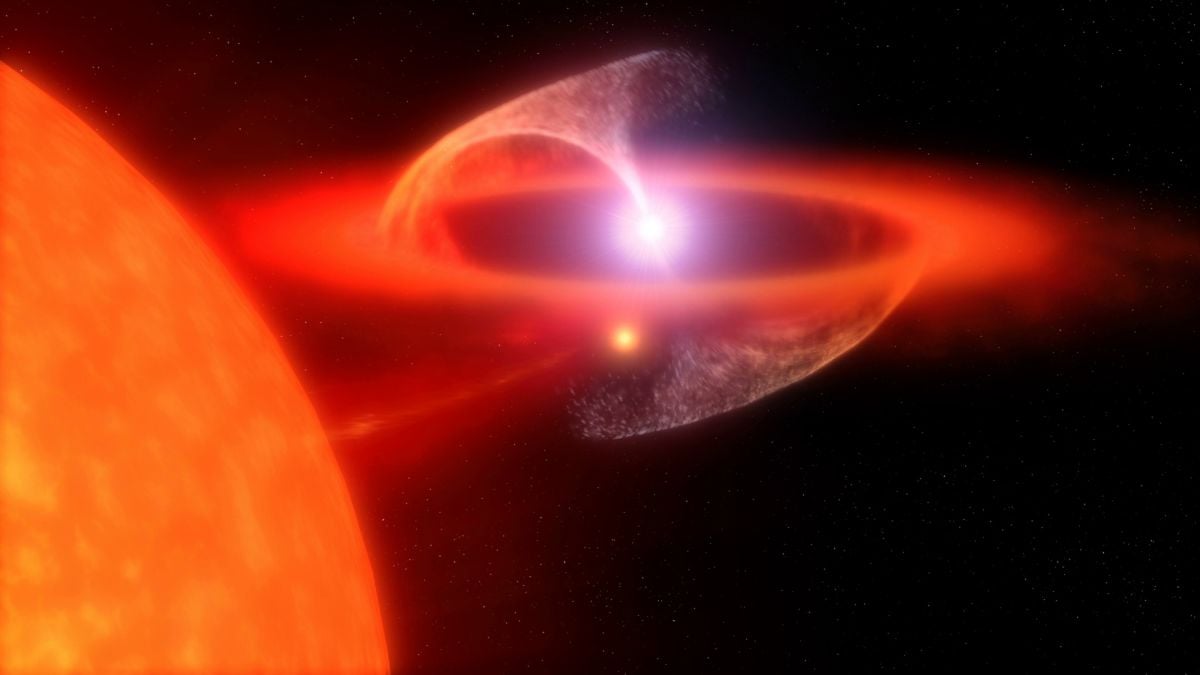
Astronomers Discover New Class of Long-Period Radio Transients in the Milky Way
Just a few years ago, a strange signal was received from the plane of the Milky Way.
 sciencealert.com·1mo ago
Faint radio signals detected from previously silent 'Blue Eye' neutron star for the first time
The hushed pulsar, nicknamed Blue Eye, was a previously radio-silent neutron star.
 space.com·3d ago
Faint radio signals detected from previously silent 'Blue Eye' neutron star for the first time
The hushed pulsar, nicknamed Blue Eye, was a previously radio-silent neutron star.
space.com·3d agoFaint radio signals detected from previously silent 'Blue Eye' neutron star for the first time
The hushed pulsar, nicknamed Blue Eye, was a previously radio-silent neutron star.
Space·3d ago
Astronomers trace high-energy neutrino to distant 'Shadow Blaster' galaxy 11 billion light-years away
Scientists still don’t know where ghostly particles called neutrinos originate. A distant galaxy could be a potential source.
 cnn.com·13d ago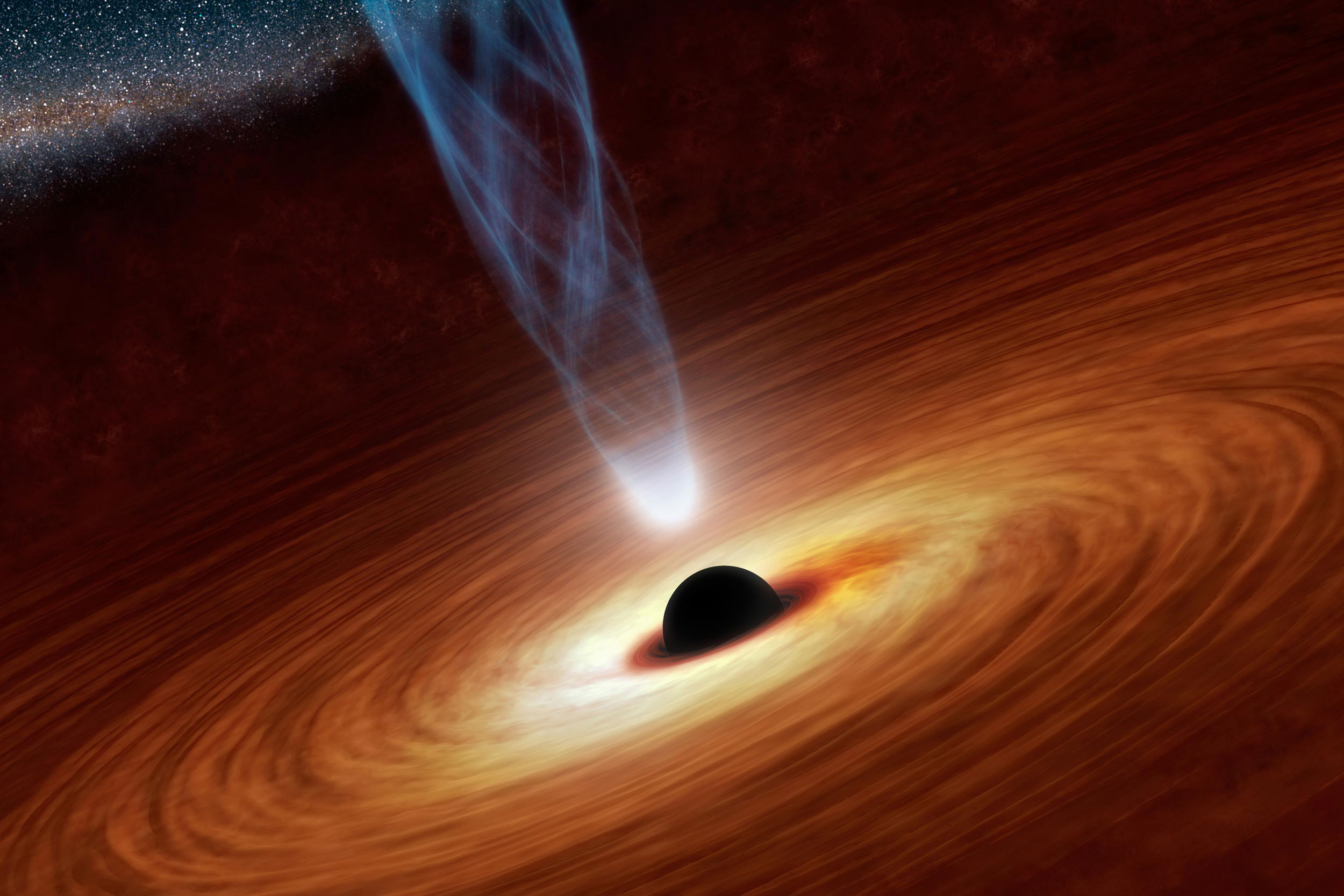
MIT astronomers detect earliest known flickering quasar from cosmic dawn era
Scientists detected a quasar flickering from the very early universe, a time known as the “cosmic dawn,” just 850 million years after the Bi
 news.mit.edu·1mo ago
Comments
Sign in to join the conversation.
No comments yet. Be the first.