
























Selections from 2025: A Search for Gravitational Waves from SN 2023ixf
SN 2023ixf is the closest supernova in a decade. Did researchers detect gravitational waves from the explosion? The post Selections from 2025: A Search for Gravitational Waves from SN 2023ixf…
Read the full articleYou might also wanna read

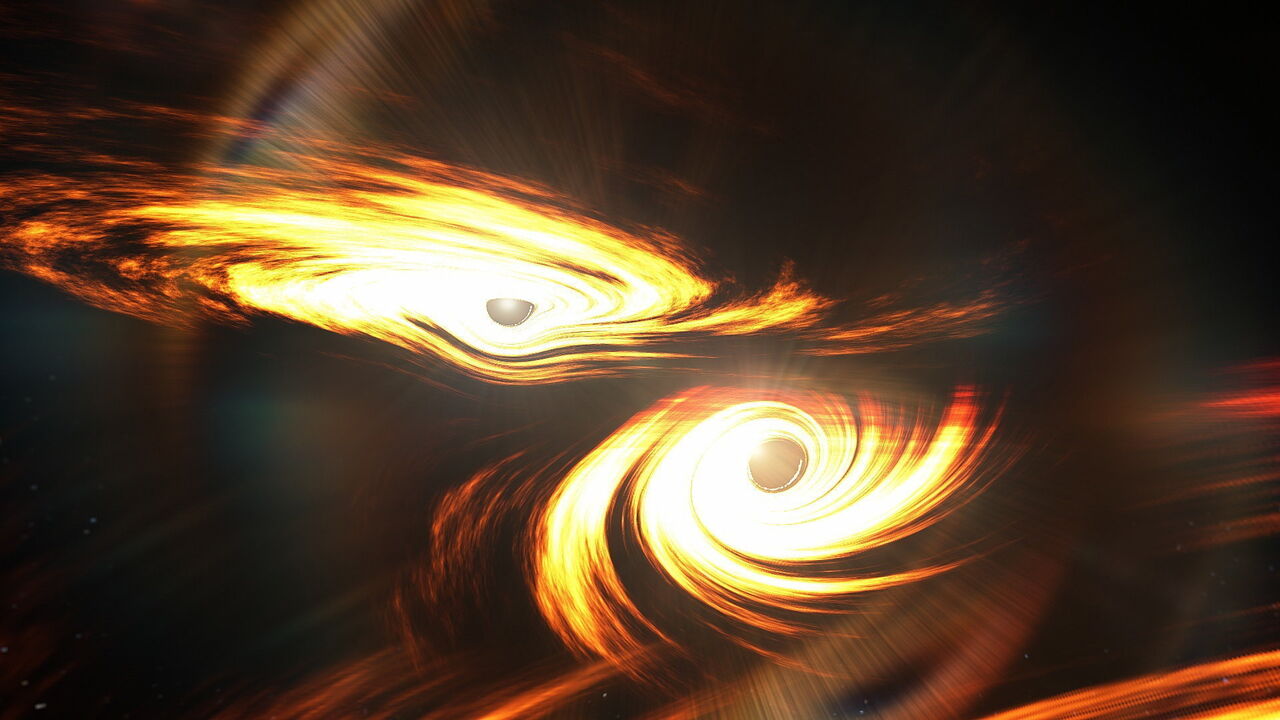
LIGO detects gravitational waves from black hole merger 1.3 billion light-years away
They make the universe’s most extreme gravitational laboratories
 economist.com·22h ago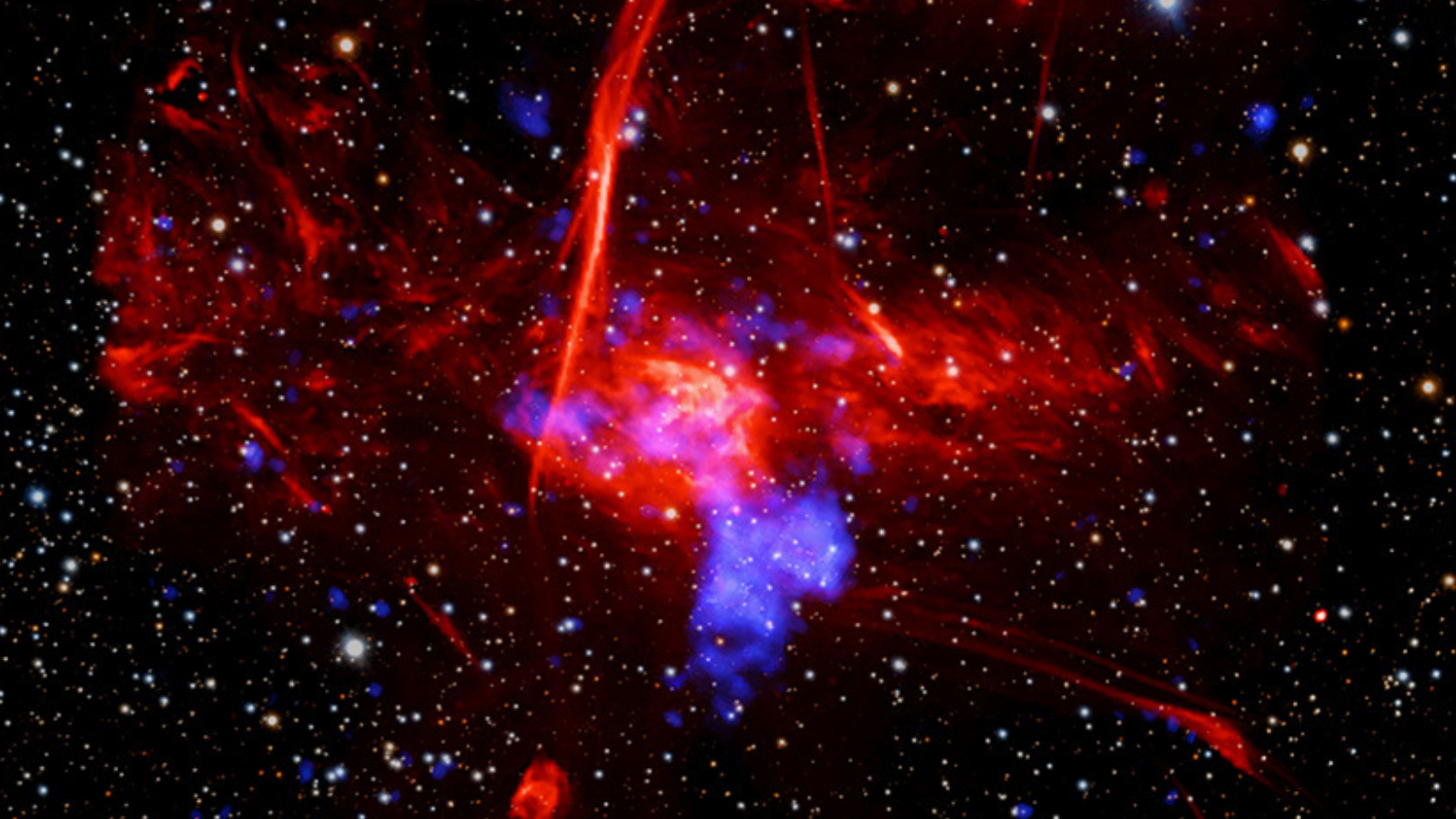
NASA's Chandra X-ray Observatory detects supernova debris near Milky Way's supermassive black hole
The dead star erupted around 1,700 years ago. It ejected material at around 2 million miles per hour.
 space.com·24d ago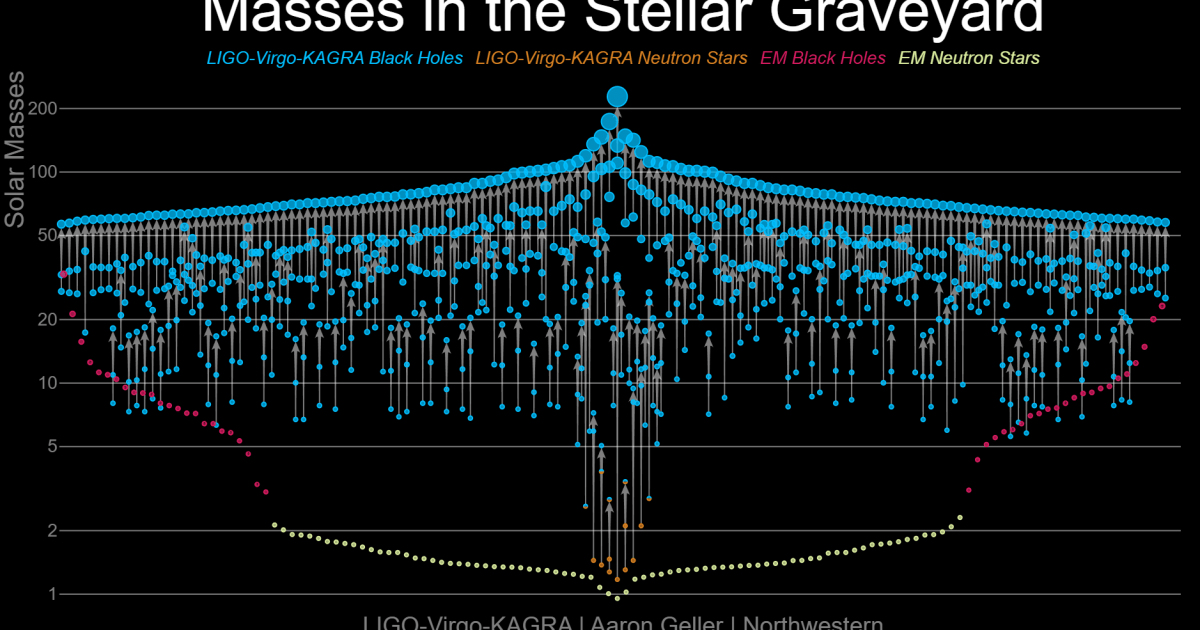
Gravitational wave astronomy reaches maturity with 390 confirmed detections by 2026
In 2016, humanity announced our first successful gravitational wave detection. 10 years and 389 events later, here's how far we've come.
 bigthink.com·1mo ago
Faint radio signals detected from previously silent 'Blue Eye' neutron star for the first time
The hushed pulsar, nicknamed Blue Eye, was a previously radio-silent neutron star.
 space.com·3d ago
Faint radio signals detected from previously silent 'Blue Eye' neutron star for the first time
The hushed pulsar, nicknamed Blue Eye, was a previously radio-silent neutron star.
space.com·3d agoFaint radio signals detected from previously silent 'Blue Eye' neutron star for the first time
The hushed pulsar, nicknamed Blue Eye, was a previously radio-silent neutron star.
Space·3d ago
390 gravitational wave detections reveal hidden population of black holes
Astronomers have released the largest gravitational wave catalog ever, revealing 161 new black hole collisions and pushing the total number
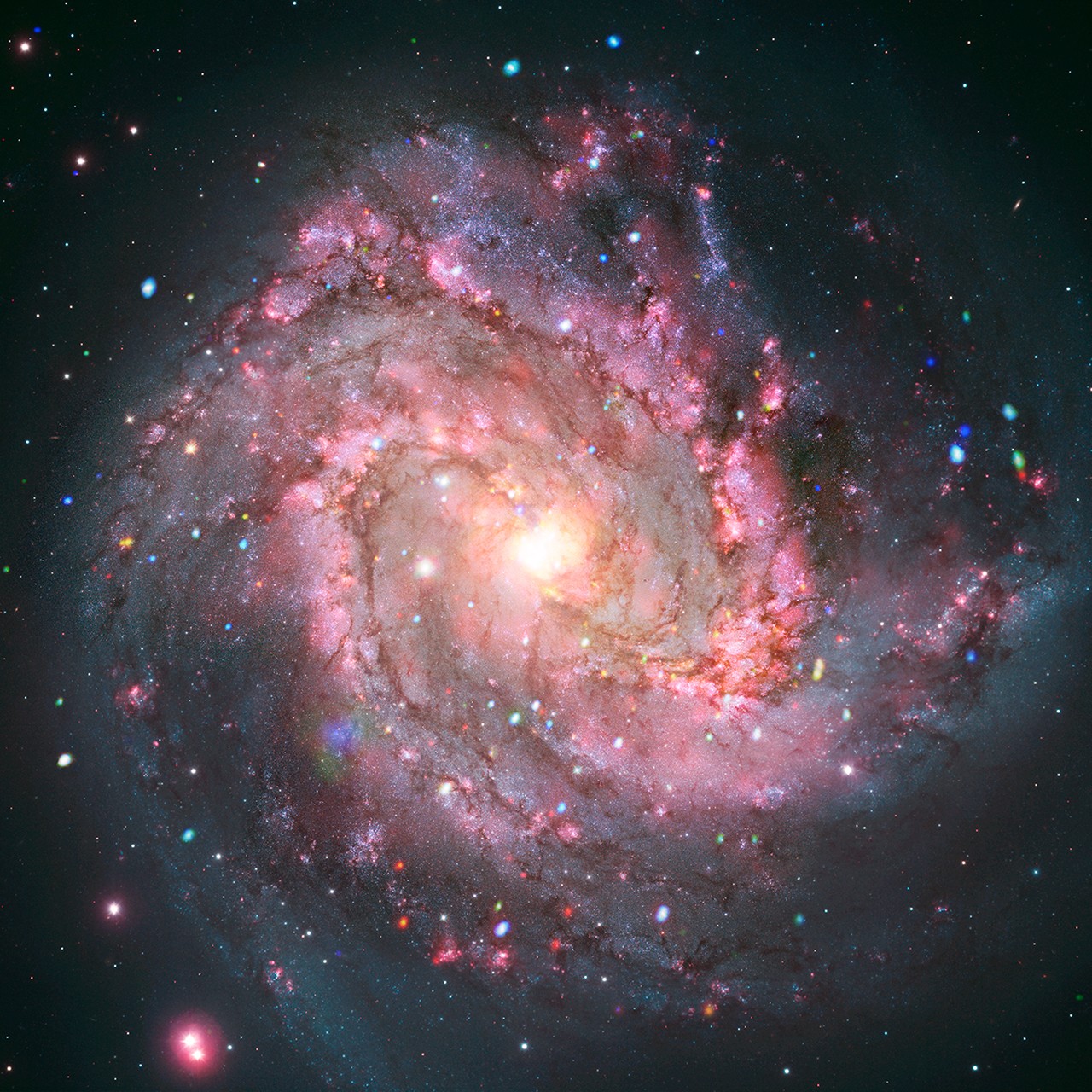
NASA's Chandra Observatory Discovers Unexpected Brightness Changes in Supernova Remnants in Galaxy M83
Over a 14-year period from 2000 to 2014, astronomers pointed NASA’s X-ray observatory at the M83 galaxy. They discovered that about half of
 science.nasa.gov·20d ago
Comments
Sign in to join the conversation.
No comments yet. Be the first.