
























Sega, Nintendo, and Namco's Triforce Arcade Platform: A Response to Arcade Industry Decline
During the rapid technological advancements of the early 1990s, the video game industry was on the cusp of a massive addition - another dimension. With console shenanigans like the Super FX chip…
Read the full articleYou might also wanna read


Imagining 10 N64 Games From an Alternate Timeline: A 30th Anniversary Retrospective
Warp pipe dreams
 nintendolife.com·19d ago
Why next-gen PlayStation and Xbox consoles face growing consumer resistance
Increasingly poor decisions are making it impossible to want or get a next-gen console.
 gamespot.com·7d ago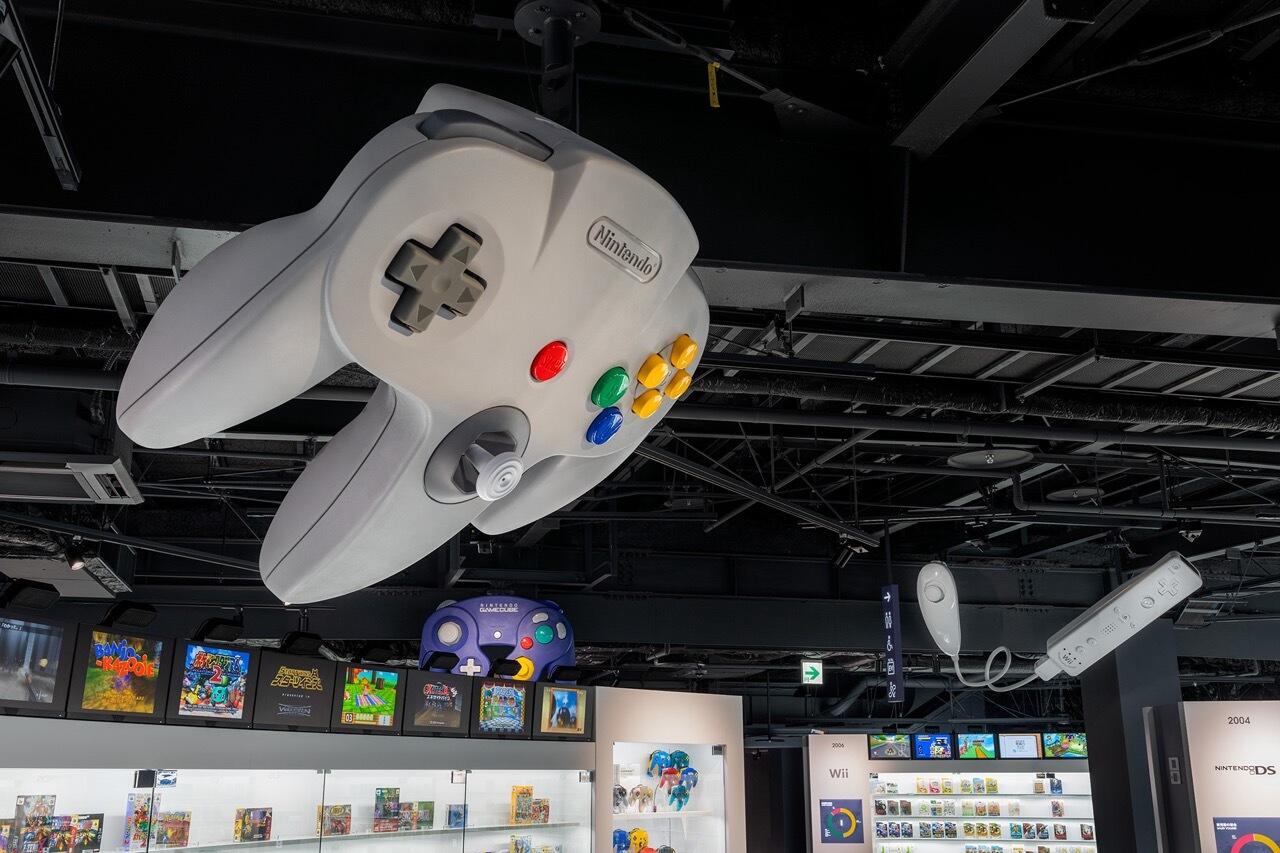
Nintendo 64 at 30: How the console transformed gaming and faced new competition
Nintendo's medium-redefining third console - and seminal launch game Super Mario 64 - turns 30: here's why it was so special
 videogameschronicle.com·23d ago
Nintendo 64 at 30: How the console transformed gaming and faced new competition
Nintendo's medium-redefining third console - and seminal launch game Super Mario 64 - turns 30: here's why it was so special
videogameschronicle.com·23d agoNintendo 64 at 30: How the console transformed gaming and faced new competition
Nintendo's medium-redefining third console - and seminal launch game Super Mario 64 - turns 30: here's why it was so special
videogameschronicle.com·23d ago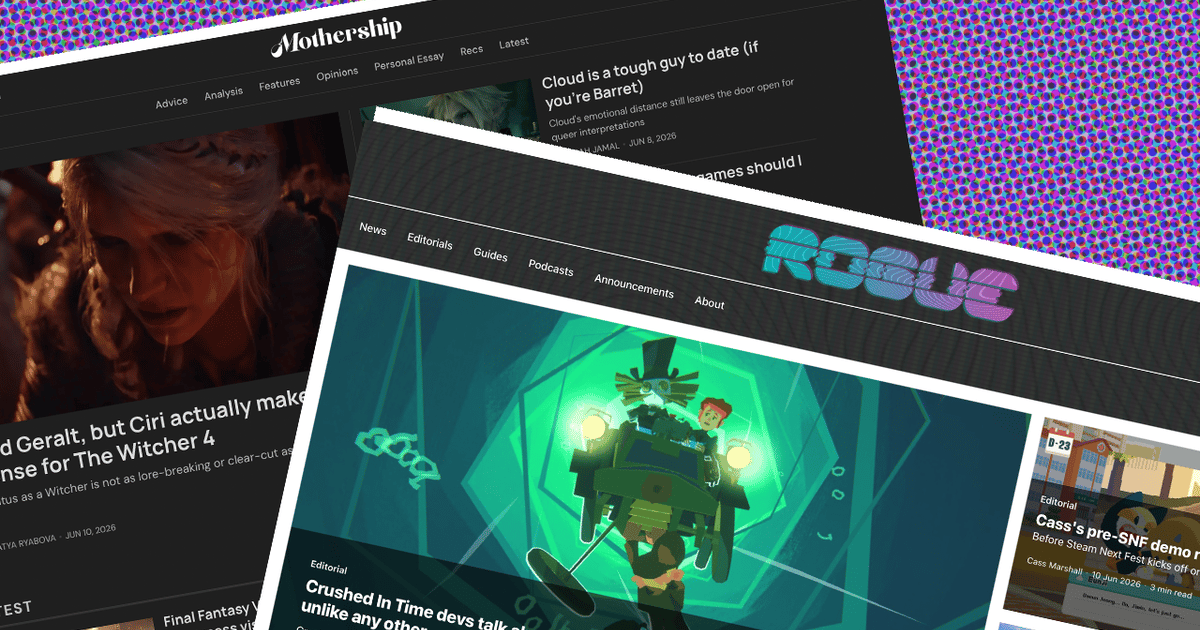
Independent game publications revive bundles as a lifeline amid media industry turmoil
'Solidarity feels like a very important part of the scene right now.'
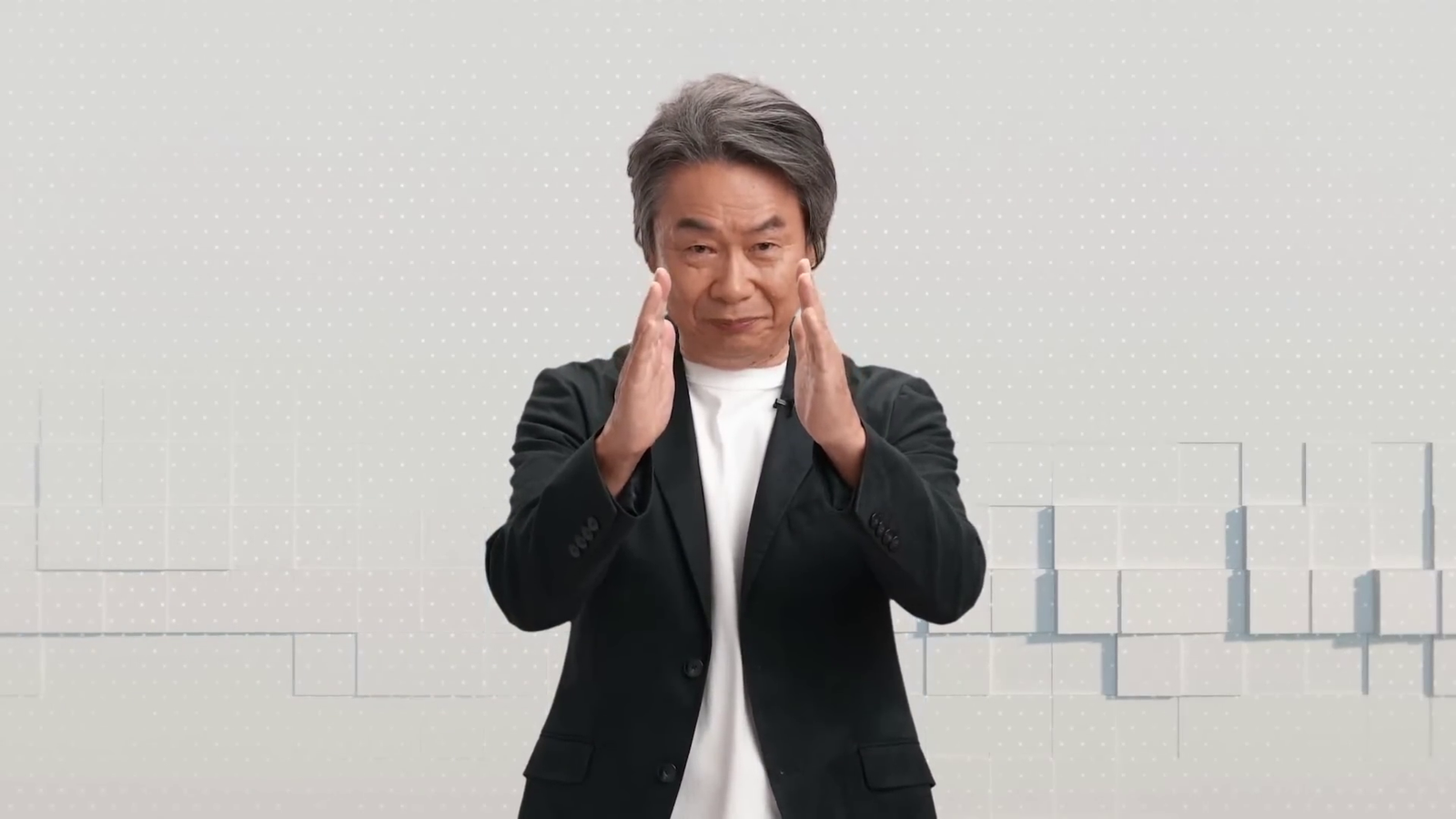
How Nintendo Direct's video format replaced E3 and reshaped gaming showcases
Nintendo's prerecorded video showcase format has been copied by Xbox, PlayStation, and everyone else, and now it's all we have
 polygon.com·1mo ago
How Donkey Kong (1981) transformed Nintendo into a gaming empire
Nintendo grew into a company fit to dominate an entire era by developing a genre-defining platformer that took the world by storm.
polygon.com·14d ago
Comments
Sign in to join the conversation.
No comments yet. Be the first.