





















Study assesses accuracy of science content on TikTok by popular creators

Pure flour-power. Hearty enough to carry you through lunch.
Summary
This study investigates the accuracy of science content shared on TikTok, a platform that has become increasingly popular for informal science communication, especially among younger audiences. The research analyzes videos from popular science creators to assess how well their content adheres to established scientific principles and avoids misinformation. It examines factors influencing accuracy, such as creators' backgrounds and platform algorithms. The findings reveal a mixed landscape: some creators produce reliable, evidence-based content while others risk spreading misinformation. The study provides recommendations for enhancing science communication accuracy on TikTok, promoting critical thinking among viewers, and advancing informed science communication on social media platforms.
Key quotes
· 5 pulledTikTok has quickly gained popularity in recent years, particularly among younger audiences
This has led to a diverse range of content creators, including those focused on educational topics, revitalising science communication on the platform
The main objective is to assess how well this content adheres to established scientific principles and avoids misinformation
Some creators producing reliable information while others risk spreading misinformation
The research will provide recommendations for enhancing the accuracy of science content on TikTok, promoting critical thinking among viewers
You might also wanna read
Meta and TikTok are obstructing researchers' access to data, EU commission rules


AI-generated influencers grow increasingly realistic, challenging social media platforms' detection capabilities
This article examines the growing sophistication of AI-generated content creators and influencers on social media platforms. It traces the e
 The Verge·8d ago
Digital Tools Make Fact-Checking Easier Than Ever
The article argues that despite the prevalence of misinformation online, fact-checking has never been easier due to readily available digita
 shkspr.mobi·8mo ago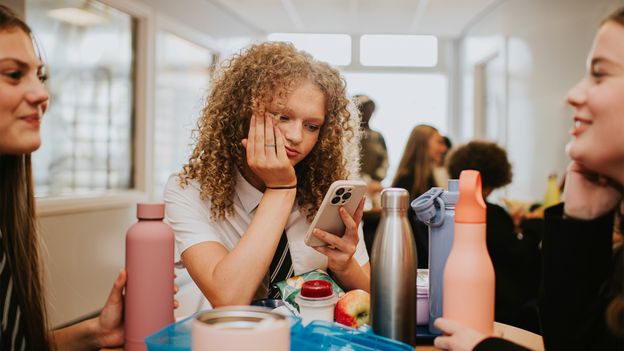
How social media evolved from friend networks to entertainment feeds — and the growing backlash
Social media platforms have shifted from being communication tools between friends to short-video entertainment hubs designed to maximize us
 bbc.com·7d ago
Exposing Credibility Issues Among Popular Science Communicators: Eric Weinstein, Sabine Hossenfelder, and Suppression of Scientific Critique
This article exposes a credibility crisis among popular science communicators, detailing how Eric Weinstein allegedly attempted to suppress
 timothynguyen.org·9mo ago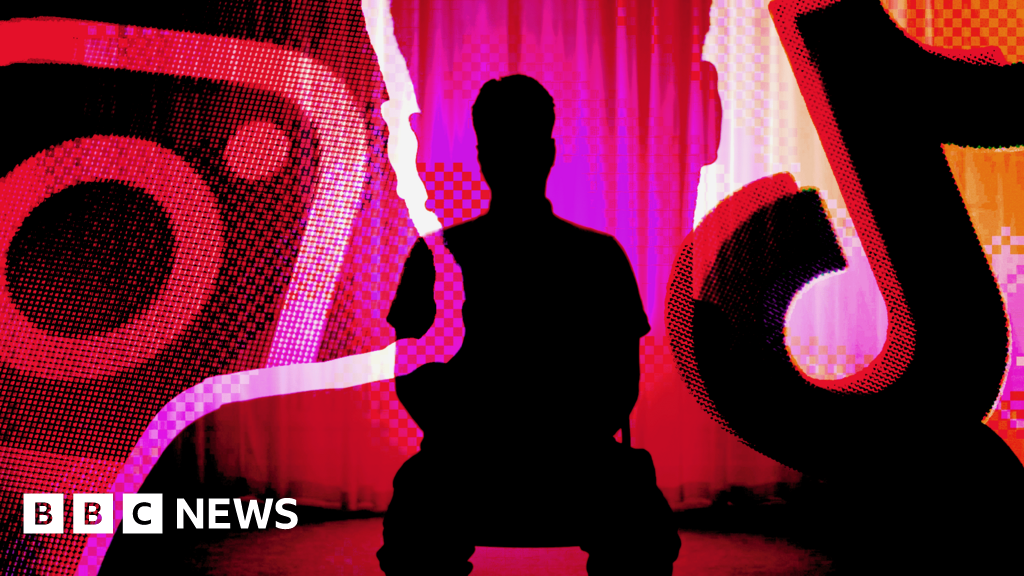
Whistleblowers: Meta and TikTok Allowed Harmful Content After Research Showed Outrage Drives Engagement
Whistleblowers reveal that social media companies Meta and TikTok knowingly allowed more harmful content on their platforms after internal r
 bbc.com·2mo ago