
























Scott Kelly spent 340 days aboard the ISS, and his telomeres—the protective caps on chromosomes that generally shorten with age—unexpectedly grew longer in orbit. Most shortened again within two days of landing, ultimately leaving him with many more criti
The Scott Kelly telomere result is one of those spaceflight findings that sounds almost too neat at first. An astronaut spends nearly a year in orbit. A biological marker often associated with ageing…
Read the full articleYou might also wanna read
Time doesn't stand still in space: A study reveals why being in orbit speeds up our biological clock
A new study found that cosmic radiation and microgravity trigger changes in the liver similar to accelerated aging. The findings could help


Moderate Coffee Consumption Linked to Slower Biological Ageing in People with Severe Mental Illness
New research from King’s College London finds that coffee consumption within the NHS recommended limit is linked to longer telomere lengths

Mayo Clinic study finds genetic testing and telomere evaluation transform pulmonary fibrosis care
Genetic testing changes care for pulmonary fibrosis patients. Learn more.
 mayocl.in·14d ago
Telomere biology and telomerase regulation across species: evolutionary insights into aging, longevity, and genome stability
Telomere biology and telomerase regulation across species: evolutionary insights into aging, longevity, and genome stability
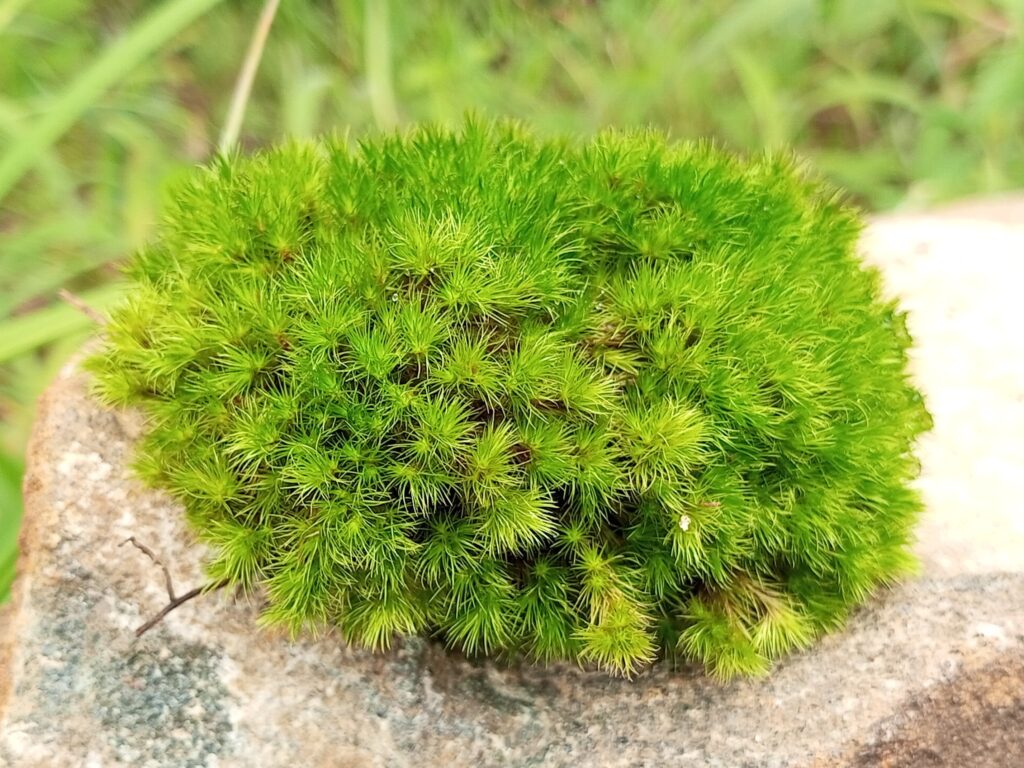
Moss Spores Survive 9 Months of Exposure to Space Vacuum on ISS
Mosses are already known for coping with harsh radiation, dehydration, and long freezes. Now scientists have pushed them even further by exp
 scienceclock.com·7mo ago
Method to reverse cellular ageing is about to be tested in humans
Article URL: Comments URL: Points: 4 # Comments: 0
Comments
Sign in to join the conversation.
No comments yet. Be the first.