
























Scientists reveal what really happens when water is trapped in tiny spaces
2d ago
Source
 ScienceDailyScientists reveal what really happens when water is trapped in tiny spacessciencedaily.com
A decades-old puzzle about water has finally been unraveled. Researchers found that water trapped in tiny nanoscale spaces is not inherently more reactive. Instead, the intense pressures created inside these microscopic gaps explain most of the effect, while the surrounding material can further enhance water's chemistry if it interacts with the reaction products.
You might also wanna read
Cells trap heat in ways standard fluid physics cannot explain, study finds
phys.org
Liquid water appears to split into two microscopic structures in simulations, with distinct clusters emerging across a broad range of temperatures and pressures—including some near room temperature. @
phys.org·8d ago
Liquid water appears to split into two microscopic structures in simulations, with distinct clusters emerging across a broad range of temperatures and pressures—including some near room temperature. @
phys.org·8d ago

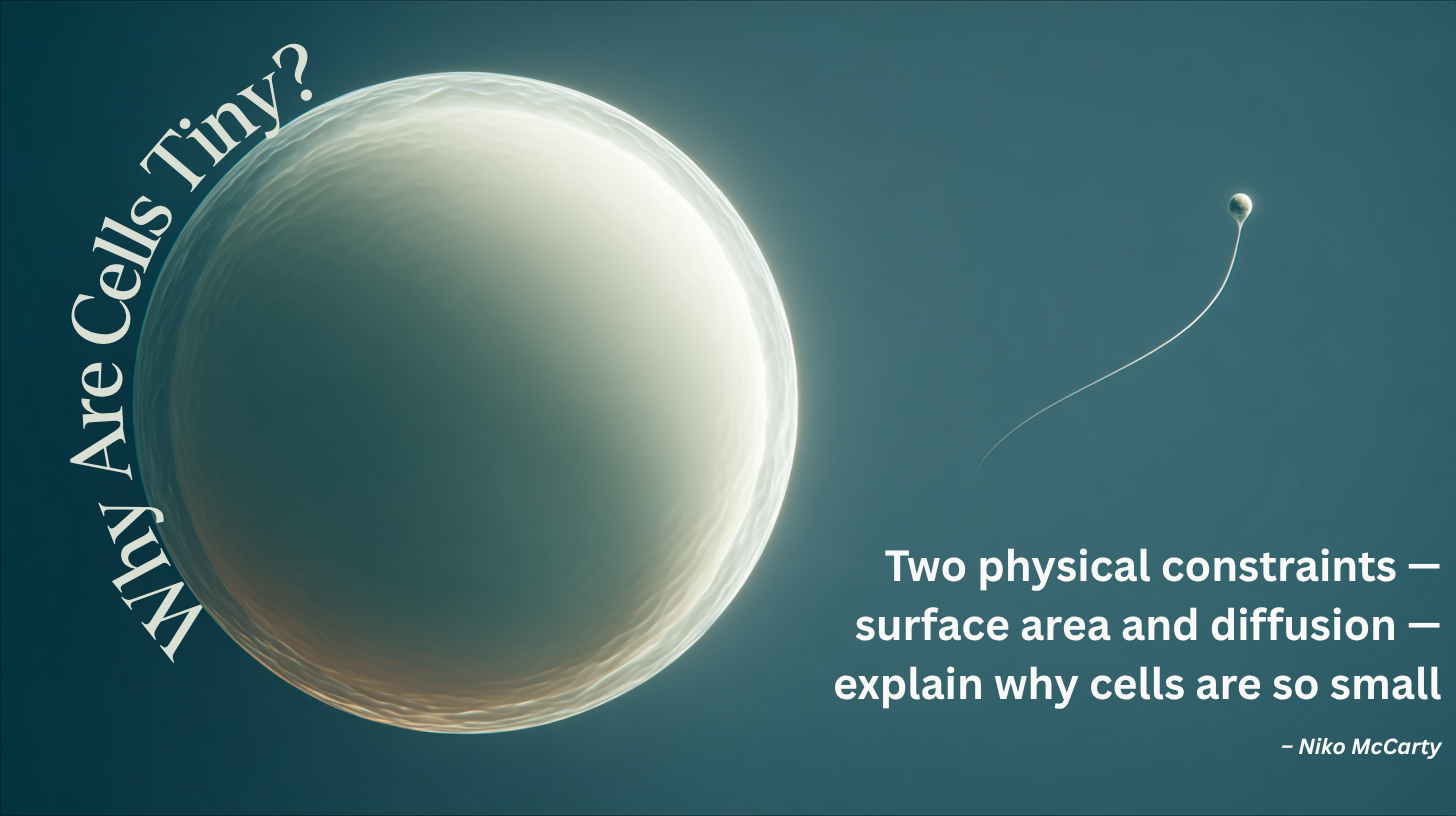
Why Cells Are Small: The Physical Constraints of Surface Area and Diffusion
This article explores why cells are typically small, focusing on two key physical constraints: surface area-to-volume ratio and diffusion li
 burrito.bio·26d ago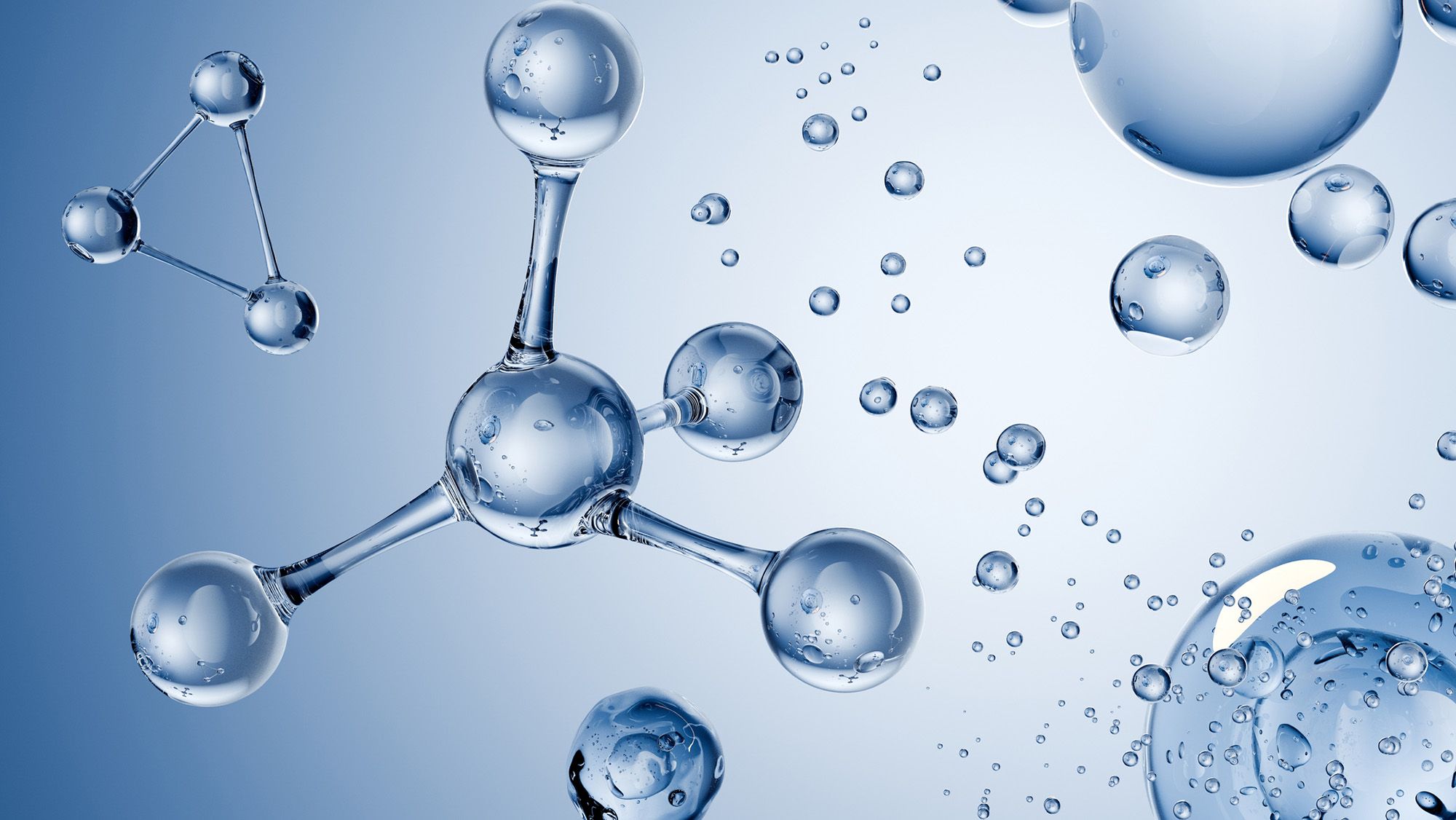
AI-powered study finds molecular evidence that water behaves as two different liquids
Scientists have long suspected that water exists as two different liquids at the molecular level — a denser and a less-dense form that const
 livescience.com·9d ago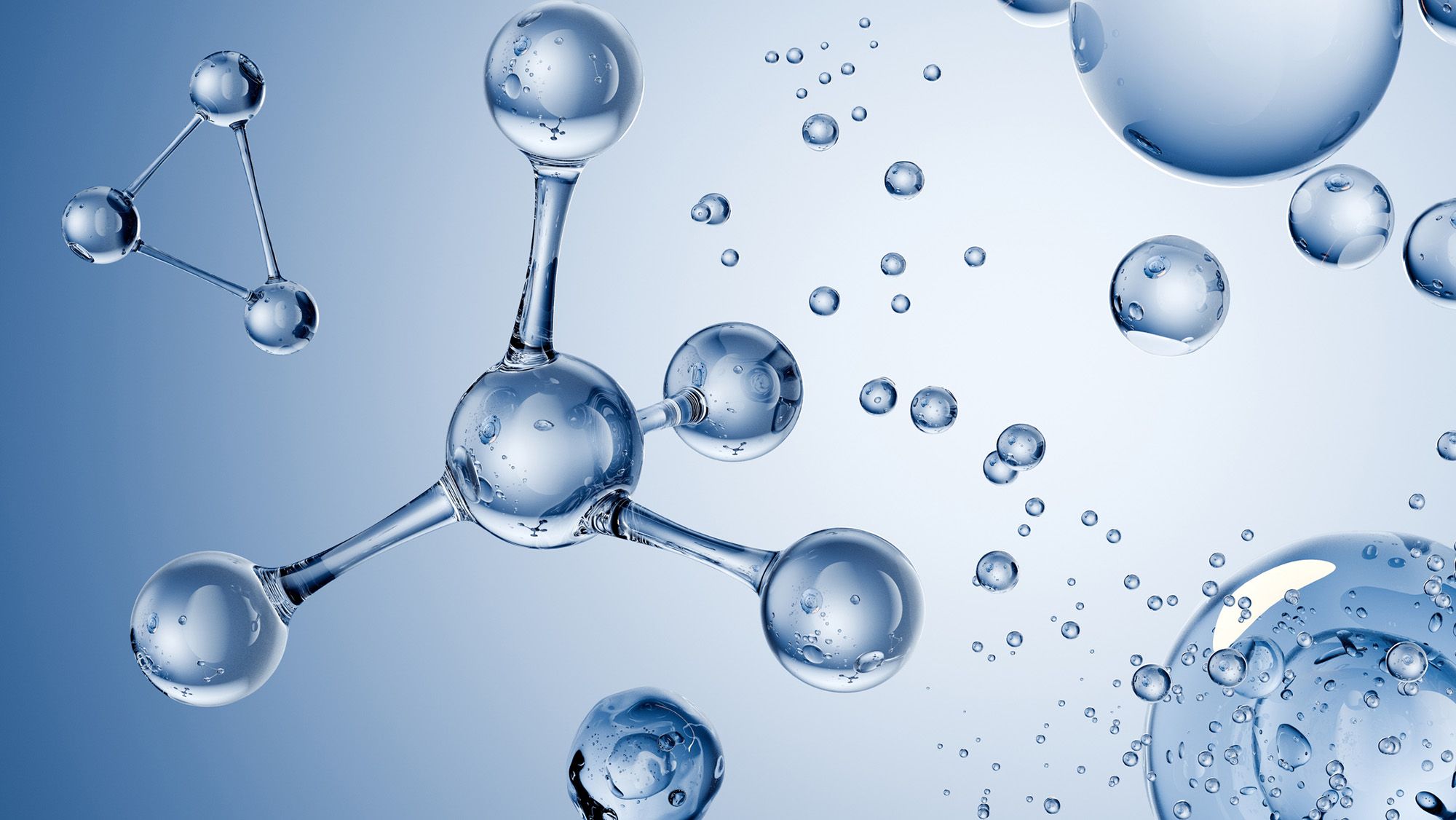
AI-powered study finds molecular evidence that water may exist as two different liquids
Scientists have long suspected that water exists as two different liquids at the molecular level — a denser and a less-dense form constantly
livescience.com·9d ago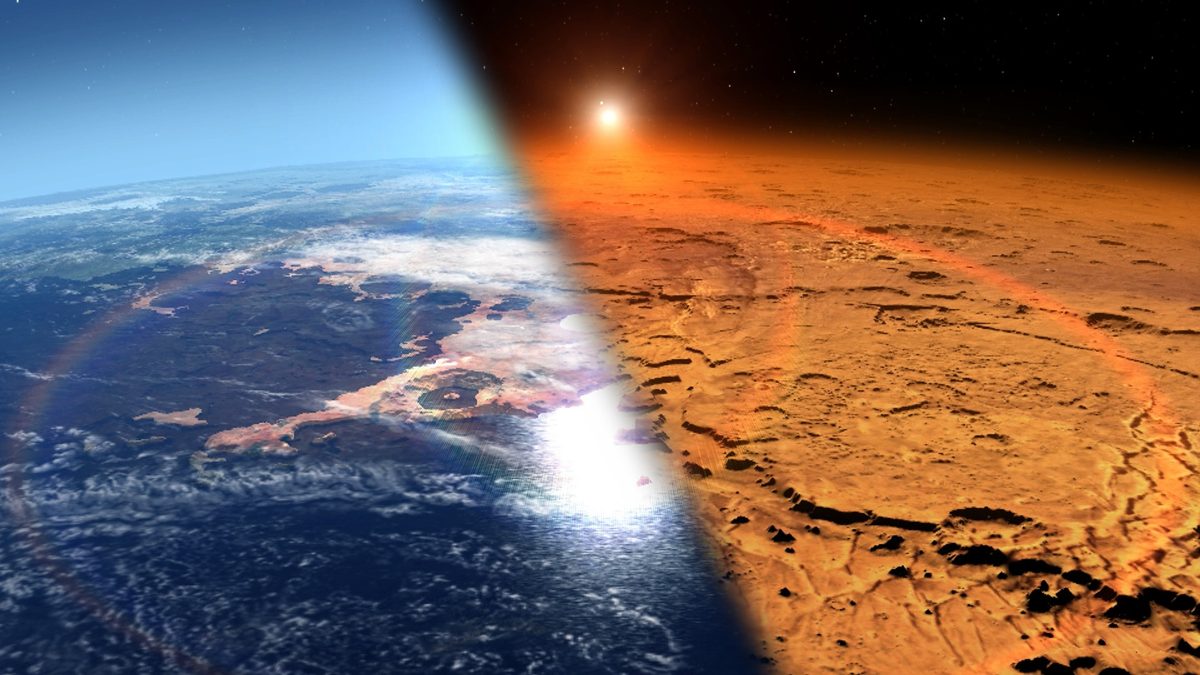
Scientists discover Mars's missing atmosphere and water may be trapped in the planet's crust
Scientists may have discovered the fate of Mars's missing atmosphere and water. New research suggests that Mars's ancient thick atmosphere a
 skyatnightmagazine.com·17d ago
Comments
Sign in to join the conversation.
No comments yet. Be the first.