
























Scientists reconstruct 3.2-billion-year-old enzyme to study origins of life on Earth
Researchers rebuilt long-extinct versions of a crucial enzyme that helps make nitrogen available to life, offering an unprecedented glimpse into Earth’s distant past. The breakthrough could aid the…
Read the full articleYou might also wanna read
Decoding of one of nature's largest enzymes reveals electron flow behind biological methane production
A research team at Marburg University has investigated one of the largest enzyme complexes found in nature to date and deciphered its remark


Metal-catalyzed deep-sea reactions may explain how phosphate became essential to life's origins
Group offers new scenario for how cells came to rely on phosphate molecules to build DNA and store energy
 scim.ag·21d ago
In a 3.5-billion-year-old clay-rich rock from Gale Crater, NASA’s Curiosity rover identified 21 carbon-based molecules — including a nitrogen-bearing ring structure linked to the chemistry that can precede RNA and DNA — showing that ancient Martian sedime
NASA’s Curiosity rover has added a more detailed layer to one of the hardest questions in Mars science: not whether ancient Mars was ever ha
Discovery of Extraterrestrial 244Pu in 2 Million Year Old Fossilized Stromatolites
Shawn Bishop et al 2025 Planet. Sci. J. 6 75 Analysis of rapid-neutron-capture elements in fossilized stromatolites — layered deposits of cy
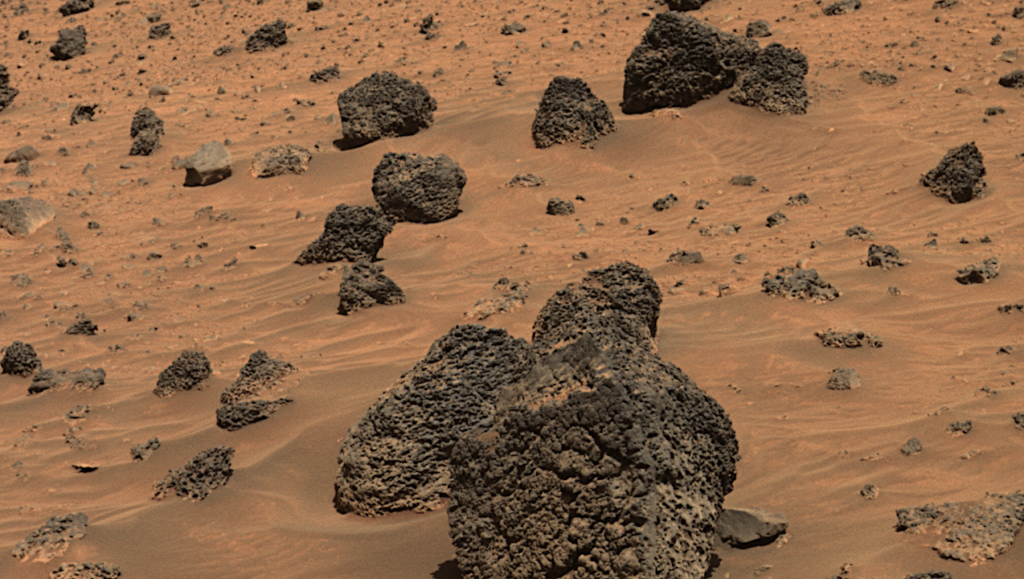
Martian Organic Geochemistry: Contextualizing Recent Organic Molecule Discoveries in the Search for Life's Origins
This review of martian organic geochemistry aims to contextualize recent findings of organic molecules in martian meteorites
 astrobiology.com·19d ago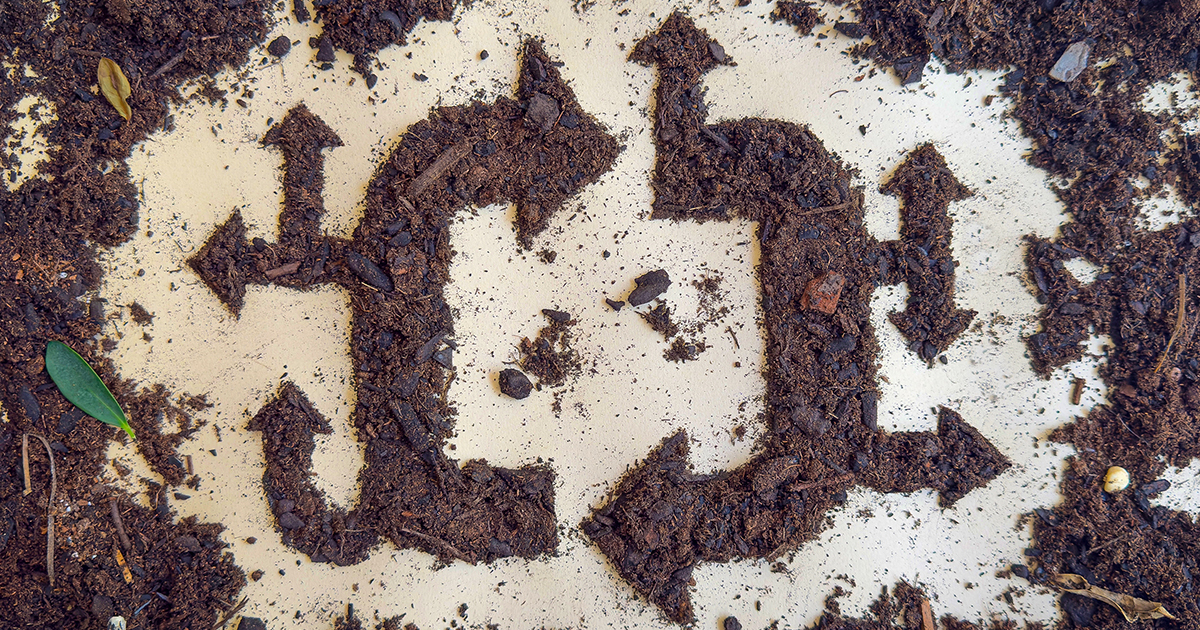
Sterilized Soil Continues to Release Carbon Dioxide for Six Years, Hinting at Origins of Life
Lifelike biochemistry continued to unfold in sterilized soil for six years, pointing to a metabolic theory for how biology began.
 quantamagazine.org·1mo ago
Sterilized Soil Continues to Release Carbon Dioxide for Six Years, Hinting at Origins of Life
Lifelike biochemistry continued to unfold in sterilized soil for six years, pointing to a metabolic theory for how biology began.
quantamagazine.org·1mo ago
Comments
Sign in to join the conversation.
No comments yet. Be the first.