

























Ancient yeast from Ötzi the Iceman's gut used to make bread in scientific experiment
By
Daniel Lawler
Summary
Scientists analyzed the gut microbiome of Ötzi the Iceman, a 5,300-year-old mummy found in the Italian Alps in 1991. They discovered a particular gut bacteria strain that is almost non-existent in modern humans. In a creative experiment, researchers used this ancient yeast found in Ötzi's gut to make bread, connecting ancient microbiology with modern food science.
Source
 bskyAncient yeast from Ötzi the Iceman's gut used to make bread in scientific experimentjapantimes.co.jp
Key quotes
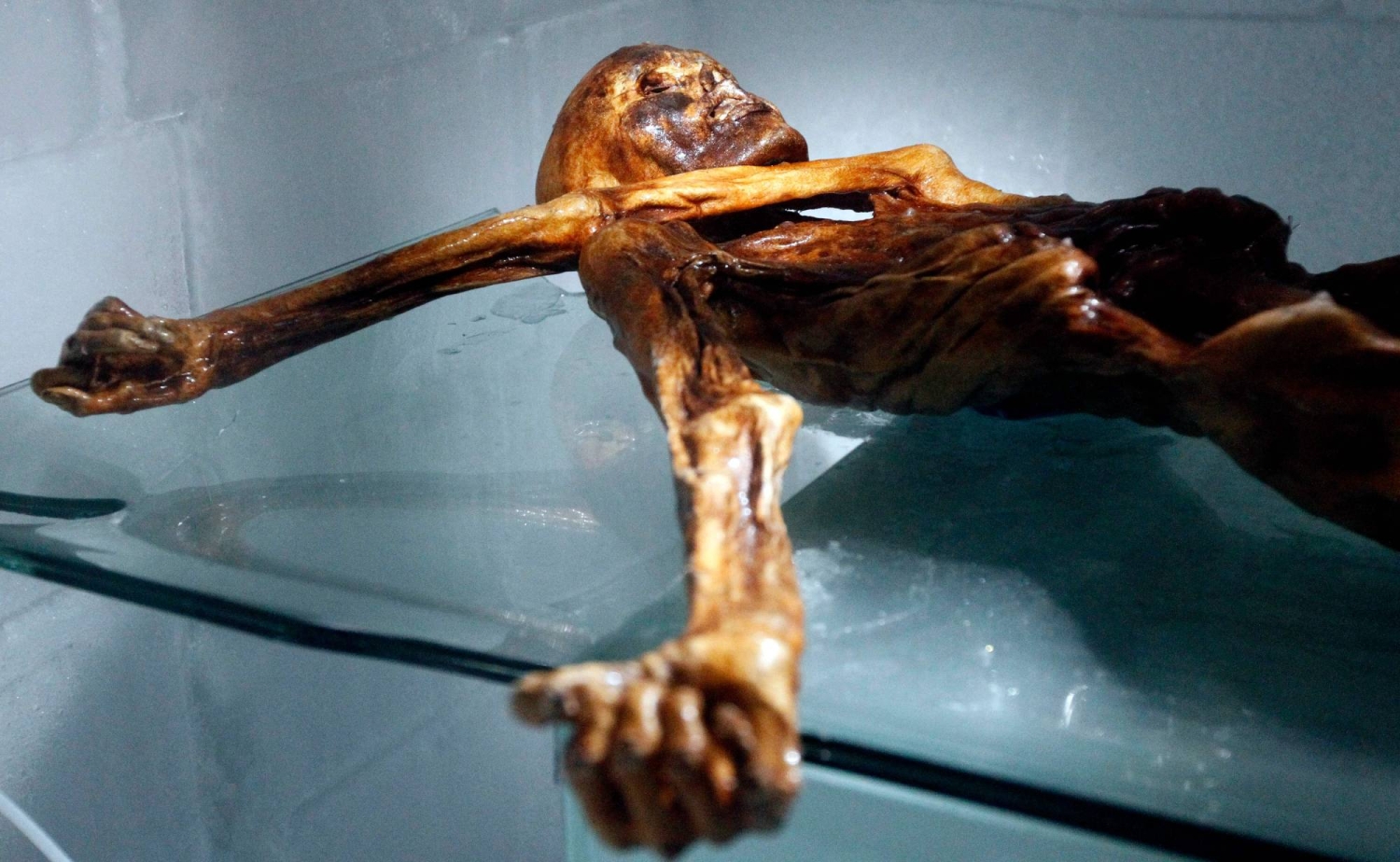
· 2 pulledThe mummy of an iceman named Oetzi was discovered in 1991 in the Italian Schnal Valley glacier.
An analysis of his microbiome revealed a particular kind of a gut bacteria that is almost non-existent among modern humans.
You might also wanna read


Ötzi the Iceman's latest headline: Yeast-harvested sourdough bread draws skepticism
The article is a critical opinion piece about the media spectacle surrounding Ötzi the Iceman. The author expresses skepticism about a recen
 Defector·11d ago
5,500-year-old plague DNA found in Siberian hunter-gatherer graves is oldest known
Archaeologists have discovered the oldest-known traces of plague bacteria (Yersinia pestis) in 5,500-year-old hunter-gatherer burials near L
 sciencenews.org·23h ago
5,500-year-old plague DNA found in Siberian hunter-gatherer graves is oldest known
Archaeologists have discovered the oldest-known traces of plague bacteria (Yersinia pestis) in 5,500-year-old hunter-gatherer burials near L
sciencenews.org·23h ago
Archaeological Study Finds Physical Evidence of Roman Medical Use of Human Feces
A study published in the Journal of Archaeological Science provides the first physical evidence that ancient Romans used human feces in medi
 The Onion·4mo ago
Study Finds Household Cohabitation, Not Genetics, Drives Transmission of Diabetes- and Cancer-Linked Microbes
Researchers mapped the environmental and physical dynamics of human microbiome transmission, proving that household cohabitation is the prim
 ow.ly·1d ago
Ancient Foods Still Eaten Today: Exploring 100-Million-Year-Old Edibles
The article explores ancient foods that have survived for millions of years and are still consumed today, inspired by the Ginkgo biloba tree

Study Finds Household Cohabitation Is Primary Driver of Microbiome Transmission, Including Diabetes-Linked Bacteria
Researchers mapped the environmental and physical dynamics of human microbiome transmission, proving that household cohabitation is the prim
neurosciencenews.com·1d agoComments
Sign in to join the conversation.
No comments yet. Be the first.