
























University of Minnesota scientists create synthetic cells that can divide and multiply on their own
The new synthetic cell grows and divides on its own.
Read the full articleYou might also wanna read

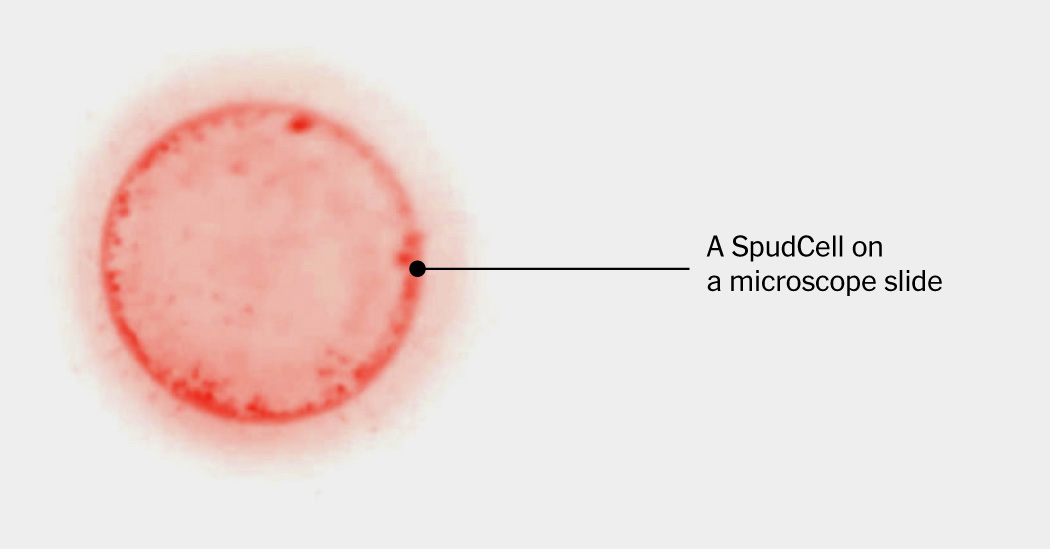
University of Minnesota team creates synthetic cells that feed, grow, and reproduce
From chemical building blocks, scientists have created synthetic cells that have most of the hallmarks of life.
 nytimes.com·9d ago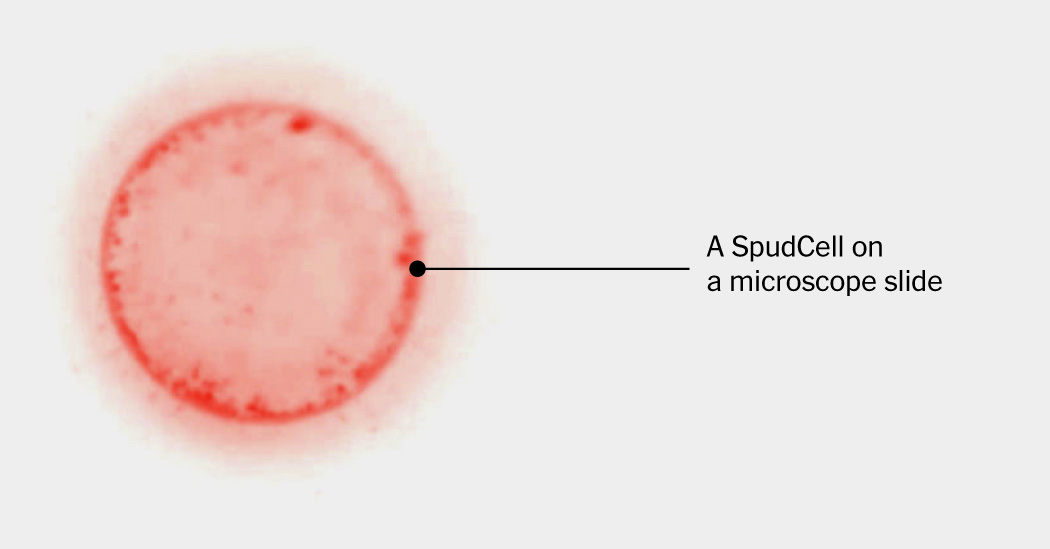
University of Minnesota team creates synthetic cells that feed, grow, and reproduce from chemical building blocks
From chemical building blocks, scientists have created synthetic cells that have most of the hallmarks of life.
nytimes.com·5d ago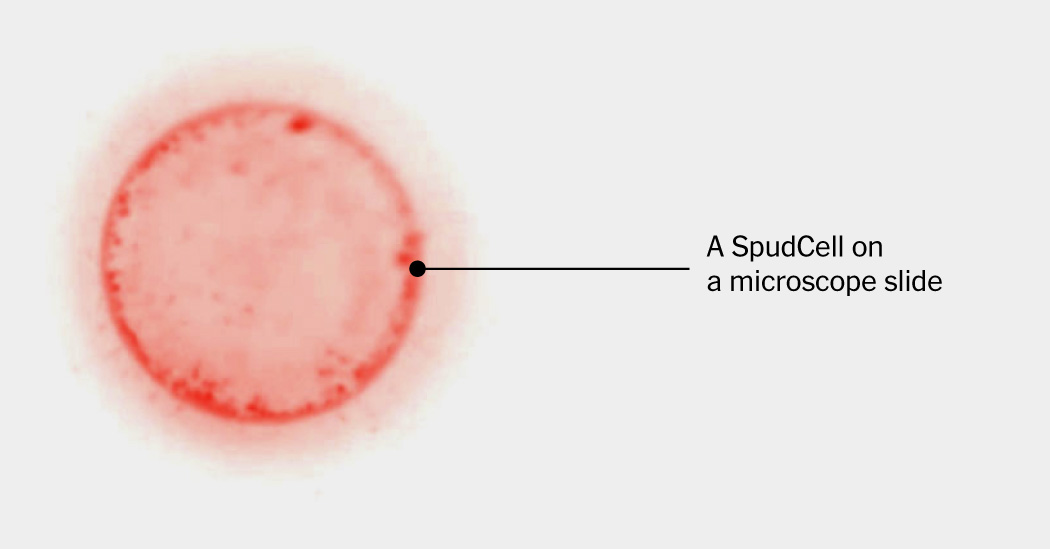
University of Minnesota team creates synthetic cells that feed, grow, and reproduce from chemical building blocks
From chemical building blocks, scientists have created synthetic cells that have most of the hallmarks of life.
nytimes.com·9d ago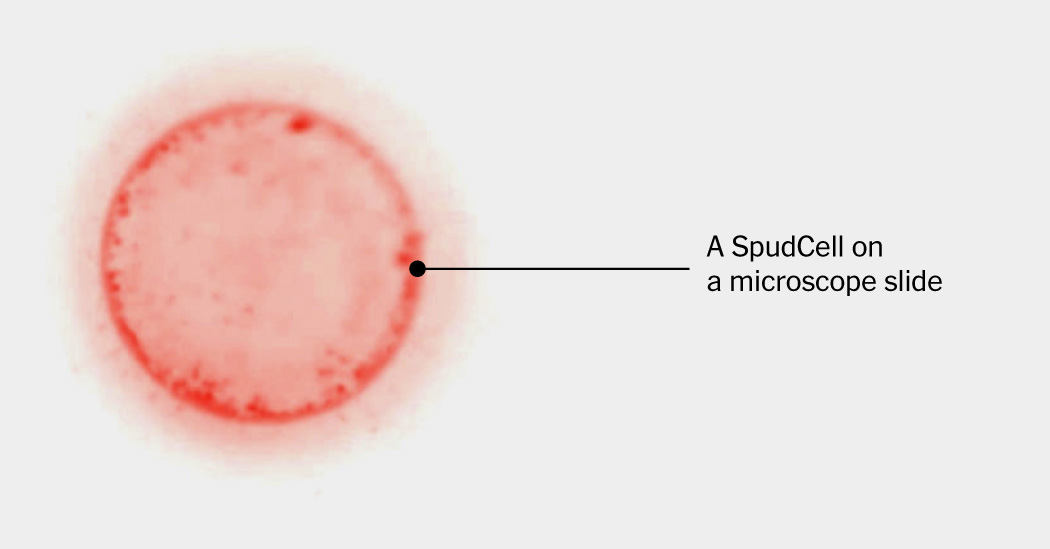
University of Minnesota team creates synthetic cells that feed, grow, and reproduce
From chemical building blocks, scientists have created synthetic cells that have most of the hallmarks of life.
nytimes.com·9d agoUniversity of Minnesota team creates synthetic cells that feed, grow, and reproduce
From chemical building blocks, scientists have created synthetic cells that have most of the hallmarks of life.
nytimes.com·9d agoUniversity of Minnesota team creates synthetic cells that feed, grow, and reproduce
From chemical building blocks, scientists have created synthetic cells that have most of the hallmarks of life.
nytimes.com·9d ago
University of Minnesota researchers build SpudCell, the first synthetic cell with a complete cell cycle
SpudCell and Biotic — announcement and media factsheet.
 biotic.org·9d ago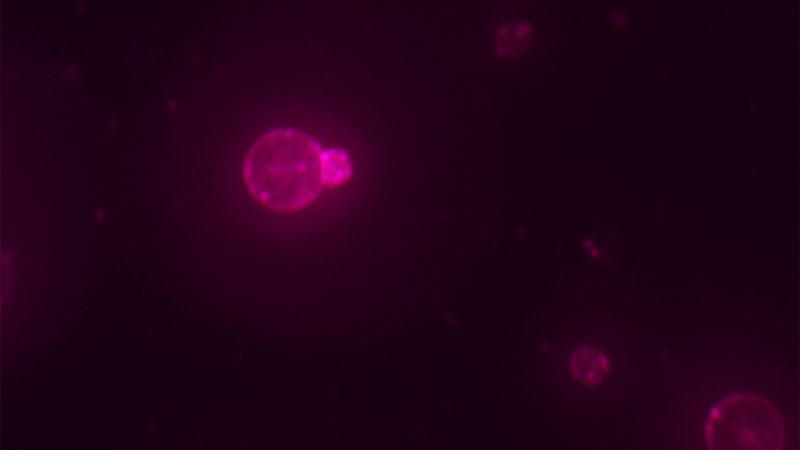
Scientists construct synthetic cell from nonliving chemical components that can feed, grow, and replicate
Scientists say they have built a cell from scratch for the first time that feeds, grows and replicates like a natural cell, a breakthrough i
 edition.cnn.com·7d ago
Comments
Sign in to join the conversation.
No comments yet. Be the first.