

























 Baker's Take
Caltech's 1,650-Dish Radio Telescope Will Scan Nevada Desert for Cosmic Mysteries

By
Mr Bagel
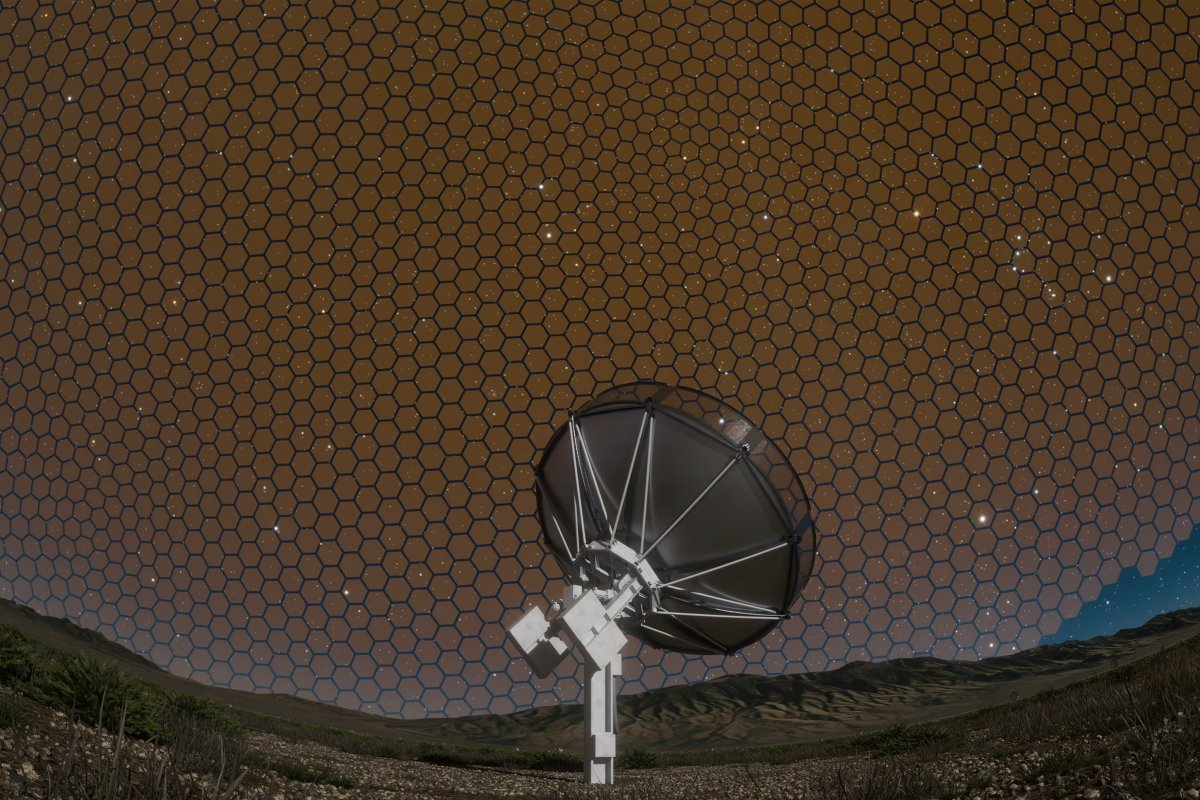
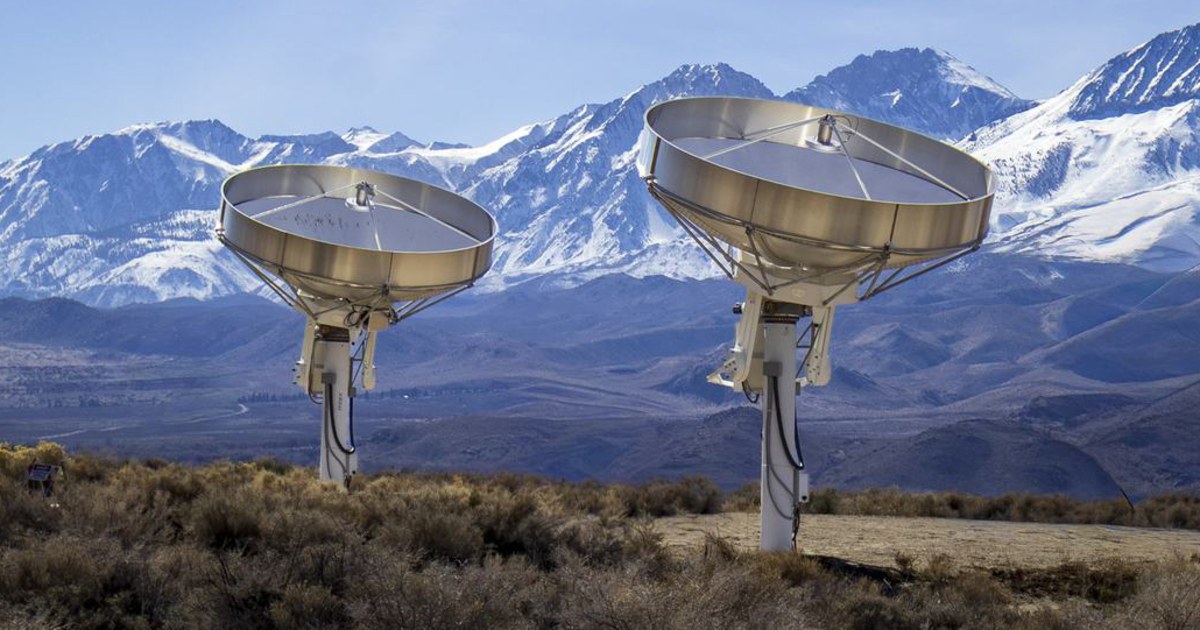
The California Institute of Technology is moving forward with construction of the Deep Synoptic Array (DSA), a massive radio telescope that will be built in a remote Nevada desert valley. According to Futurism, upon completion in 2029, the array will become the most sensitive and fastest radio telescope array ever constructed, consisting of 1,650 radio dishes each nearly 20 feet across, spread over an area of 12 by 10 miles.
For comparison, New Mexico's Very Large Array, one of the largest existing radio telescopes, is significantly smaller, as Futurism reported. The project is proceeding after securing sufficient funding, according to NBC News.
The array will study supermassive black holes, pulsars, and fast radio bursts, NBC News reported. These phenomena remain among the most enigmatic in astrophysics, and the DSA's unprecedented sensitivity could help unlock their secrets.
"Caltech researchers are preparing to build the Deep Synoptic Array (DSA) in a remote Nevada desert valley, which upon completion in 2029 will be the most sensitive and fastest radio telescope array ever constructed."
This ambitious scale reflects a growing trend in astronomy toward massive, distributed arrays that can capture faint signals from across the universe. The DSA's 1,650 dishes will work in unison to create a virtual telescope far more powerful than any single dish.
NBC News confirmed that the California Institute of Technology is leading the project, which will transform the Nevada desert into a hub for radio astronomy. The array's location in a remote valley minimizes radio interference from human activity, ensuring clearer observations of the cosmos.
The reporting
2 outlets covered this story. Each links to the original.
Comments
Sign in to join the conversation.
No comments yet. Be the first.