





















University of Houston scientists set new superconductivity record of 151 Kelvin at ambient pressure

Toasted to a respectable shade. No regrets, no crumbs left.
Summary
University of Houston researchers at the Texas Center for Superconductivity (TcSUH) have achieved a major breakthrough by setting a new superconductivity temperature record of 151 Kelvin (minus 122°C) under ambient pressure conditions. This surpasses a 30-year-old record and could lead to more efficient electrical grids, improved energy storage, faster electronics, and advancements in fusion energy and medical imaging technologies.
Key quotes
· 3 pulledScientists from the Texas Center for Superconductivity (TcSUH) and the University of Houston department of physics reached a superconducting transition temperature (Tc) of 151 Kelvin (about minus 122 degrees Celsius).
The advance could eventually help create more efficient electrical grids, improved energy storage systems, faster electronics, and new technologies for fusion energy and medical imaging.
Their breakthrough pushes superconductivity to 151 Kelvin (minus 122°C), beating a record that stood for more than 30 years.
You might also wanna read

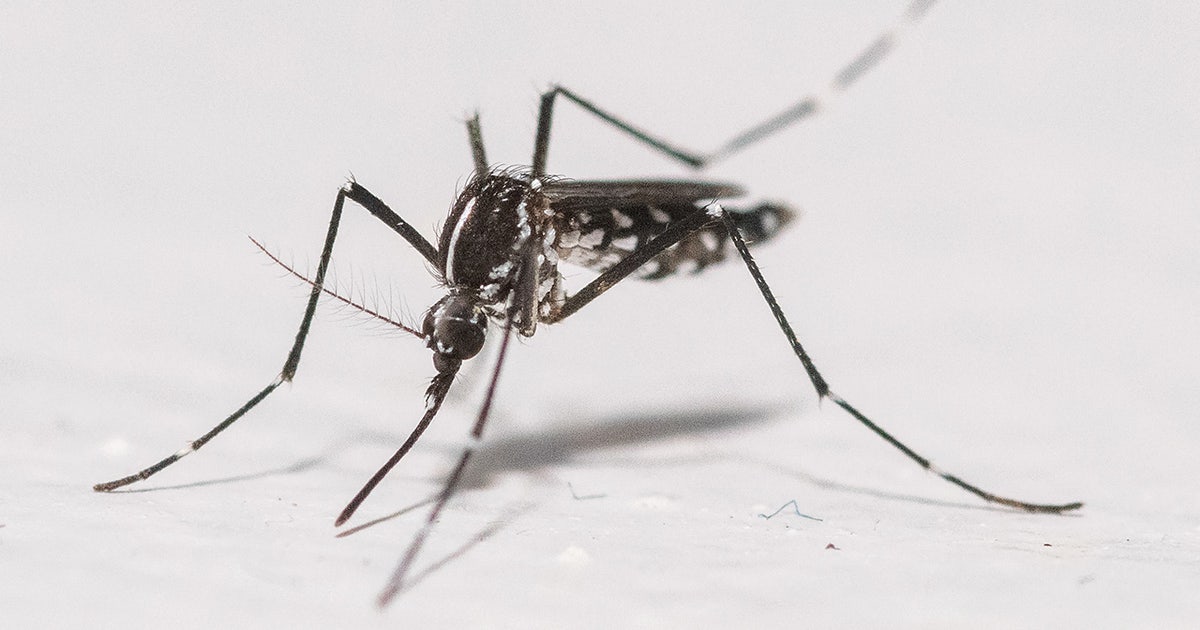
Google's Debug program seeks EPA approval to release 64 million modified mosquitoes in California and Florida
Google's Debug program plans to release up to 64 million genetically modified "good" mosquitoes in California and Florida over two years to
 bit.ly·43m ago
The dangers of anthropomorphising AI: Why we must see machines as machines
This article argues that anthropomorphising AI—projecting human thoughts, feelings, and intentions onto machines—is a natural but dangerous
 ethics.org.au·2h ago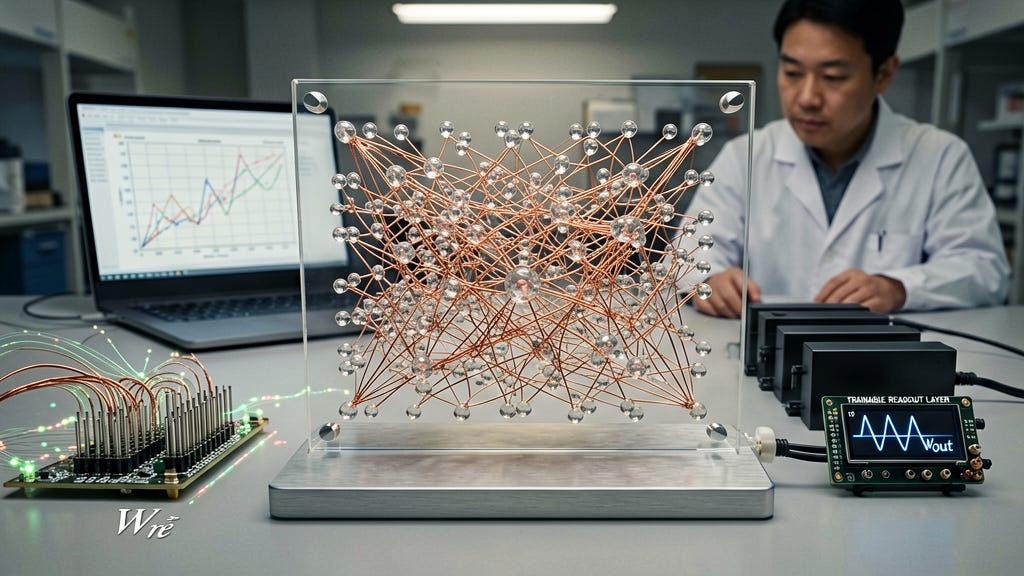
Researchers Work to Decode the "Black Box" of Reservoir Computing and Brain-Inspired AI
This article explores Reservoir Computing (RC), a specialized form of recurrent neural networks (RNNs) that mimics biological brain processe
 akmaier.substack.com·3h ago
Vera C. Rubin Observatory Set to Discover Millions of Asteroids and Transient Phenomena in Big-Data Astronomy Era
The Vera C. Rubin Observatory in Chile is preparing to begin operations, designed to capture the entire Southern Hemisphere night sky every
 quantamagazine.org·4h ago
Experimental demonstration of quantum communication advantage for Euclidean distance calculation using coherent state fingerprints
This paper presents an experimental demonstration of quantum advantage in communication complexity for the Euclidean distance problem. The r
 arxiv.org·5h ago
Quantum research reveals when entanglement hinders rather than helps channel discrimination
This research paper investigates the role of entanglement in quantum channel discrimination, challenging the common assumption that more ent
arxiv.org·5h ago