
























SARM1 inhibitors advance to clinical trials as potential treatment for ALS and neuropathy
By
Laurel Oldach
Summary
The article covers the entry of SARM1 inhibitors into clinical trials as a potential treatment for neurodegenerative diseases like ALS and peripheral neuropathy. SARM1 is a protein that acts as an executioner in the enzymatic signaling cascade that coordinates axon die-off in nerve cells. Researchers are exploring ways to block this NAD hydrolase to save axons from neurodegeneration, though safety concerns remain about how to effectively and safely inhibit this pathway.
Source
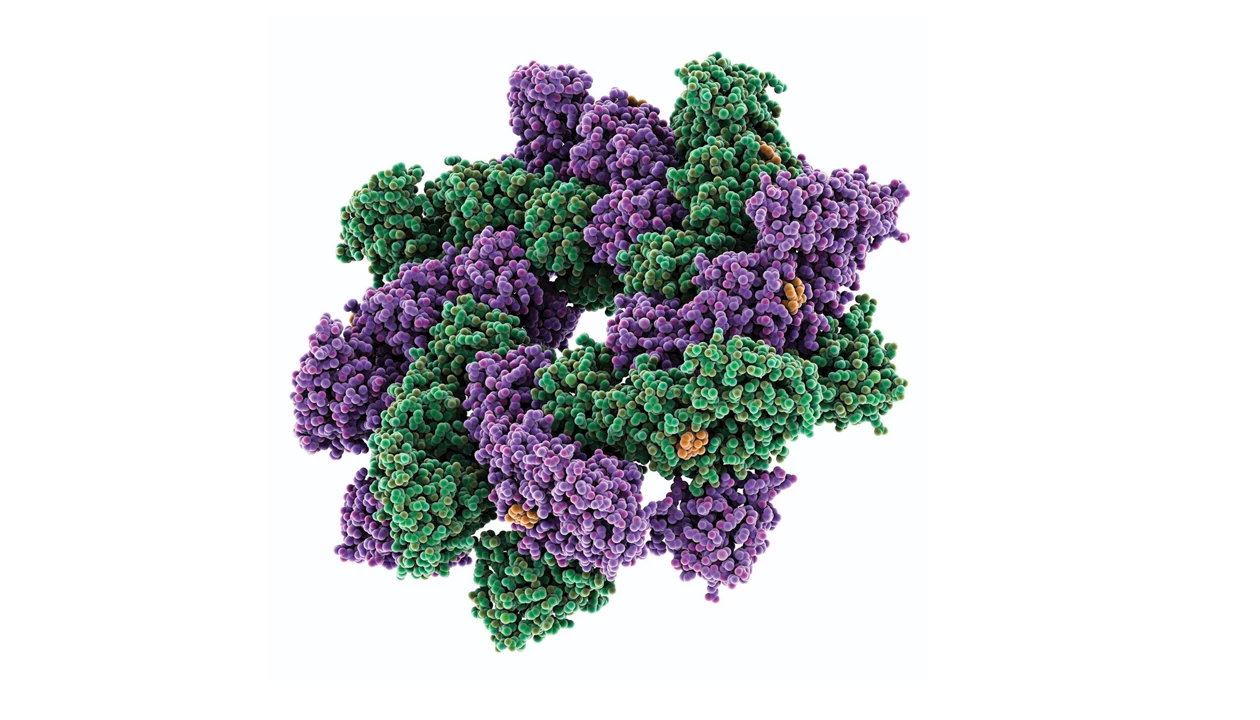
 bskySARM1 inhibitors advance to clinical trials as potential treatment for ALS and neuropathycen.acs.org
Key quotes
· 3 pulledWhen the long cabling of nerve cells die off in neurodegenerative diseases, they don't just wither away passively. Instead, there's an enzymatic signaling cascade that coordinates axon die-off.
One key executioner is a protein called SARM1, which regulates this process.
Blocking the NAD hydrolase may save axons from neurodegeneration, if researchers can figure out a safe way to do it.
You might also wanna read

Third Death in Sarepta Gene Therapy Trial for Limb-Girdle Muscular Dystrophy
A 51-year-old patient in a Phase I study of Sarepta's gene therapy for Limb-Girdle muscular dystrophy Type 2E has died from acute liver toxi
biocentury.com·11mo ago

Brazilian Researchers Develop Polylaminin Drug That May Reverse Spinal Cord Injuries
Brazilian researchers have developed a groundbreaking drug called polylaminin, derived from placental protein laminin, that shows promise in
 www1.folha.uol.com.br·9mo ago
Polylaminin polymer improves motor function recovery after spinal cord injury in rat model
This study investigates the use of polylaminin, a biomimetic polymer form of laminin, for treating spinal cord injury (SCI) in rats. While l
 researchgate.net·9mo ago
CCR study reveals how leukemia chemotherapy drug Ara-C damages neurons causing balance problems
CCR scientists led by Andre Nussenzweig have discovered why the chemotherapy drug Ara-C (used to treat blood cancers) causes movement and ba
 go.nih.gov·1d ago
Huntington's disease treatment shows success in slowing progression for first time, UK trial finds
For the first time, doctors have successfully treated Huntington's disease, a devastating inherited neurodegenerative condition that kills b
 bbc.com·9mo ago
Study reveals molecular mechanism linking statins to muscle side effects via NLRP3 inflammasome and protein-prenylation pathway
This scientific research article investigates the molecular mechanisms behind statin-associated myopathy (muscle side effects). The study fi
 science.org·10h ago
Comments
Sign in to join the conversation.
No comments yet. Be the first.