
























Sandia National Labs' SA3000: A Radiation-Hardened 8085 CPU for Defense and Space
By
admin
Summary
This article from The CPU Shack Museum covers Sandia National Laboratories' SA3000 8085 CPU, a radiation-hardened microprocessor developed in the late 1970s and early 1980s. Sandia built its own IC design, fabrication, and testing capacity to produce components not available commercially — specifically radiation-hardened devices for weapons and space missions. The article details Sandia's fab history starting in 1978 on 2-inch wafers with a 10-micron process, and highlights the SA3000 as a radiation-hardened version of the Intel 8085 CPU, used in critical defense and aerospace applications where reliability in harsh environments was paramount.
Source
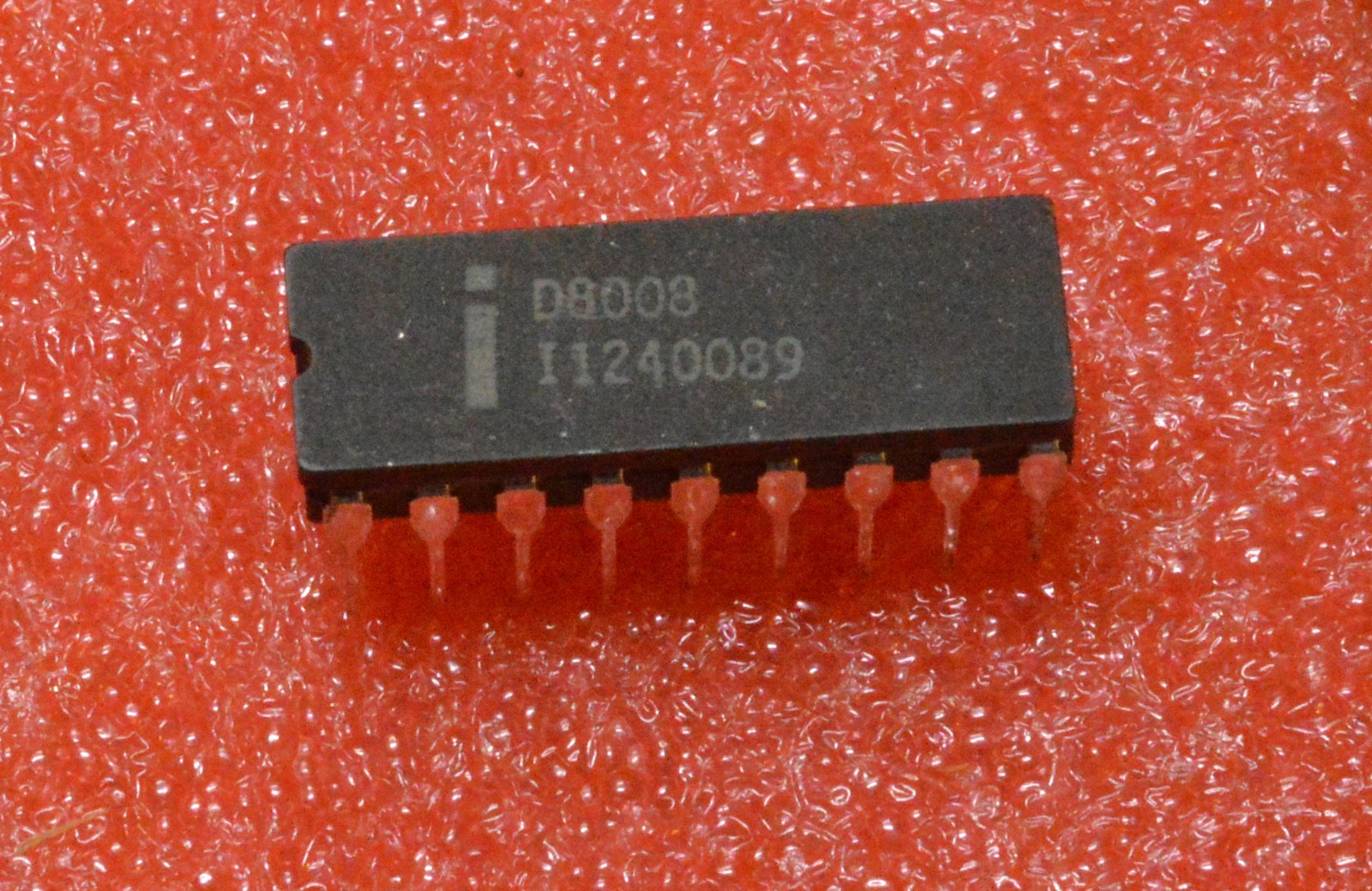 Hacker NewsSandia National Labs' SA3000: A Radiation-Hardened 8085 CPU for Defense and Spacecpushack.com
Key quotes
· 3 pulledWhy would a National Laboratory need the capacity to do this? To provide components that were not available commercially.
Sandia's goal was to make radiation hardened devices for use in weapons and space missions.
The harshest environments and where reliability was paramount.
You might also wanna read

NASA Develops Radiation-Hardened AI Chip for Autonomous Deep Space Missions
NASA is developing a cutting-edge AI chip designed for future space missions to enable autonomous operation of spacecraft and systems with m
 sciencealert.com·1mo ago
Q-Tech targets rad-hardened MCXOs at Space applications
Intel 8086, the first x86 chip, marks 48 years since its 1978 debut
Intel celebrated 48 years of the 8086 microprocessor, the foundational chip for the x86 architecture introduced in 1978. The 16-bit processo
 techpowerup.com·28d ago
RISC-V Gains Traction in Space Industry as Open-Standard Processor for Missions
The article reports on the RISC-V Summit Europe 2026 in Bologna, Italy, where a panel session titled "RISC-V in Space" featured experts from
 eetimes.com·16d ago
Spectra Defense Technologies Launches XSR Spire Ruggedized Mission Computer for Tactical Edge Computing
Spectra Defense Technologies has announced the XSR Spire, a ruggedized mission computer powered by the Intel Xeon-W Gen11 processor. The sys
 financialpost.com·13d ago
US nuclear start-up Antares achieves initial criticality for Mark-0 microreactor
US nuclear start-up Antares has achieved initial criticality for its Mark-0 microreactor, a mini-reactor designed for military bases and str
 channelnewsasia.com·1mo ago
Comments
Sign in to join the conversation.
No comments yet. Be the first.